Automated Warehouse: Benefits, Systems and Implementation
Automated warehouse are becoming an inevitable direction in modern logistics as businesses face increasing pressure on speed, cost control, labour availability, and operational resilience. Advances in warehouse automation technologies, together with rising customer expectations, are accelerating the shift toward smarter, data-driven, and highly automated warehouse models.


Planning Your Next Warehouse Project?
Let’s Make It Work Better Chat on WhatsApp
What Is an Automated Warehouse Systems?
An Automated Warehouse System uses technologies such as robotics, warehouse management software (WMS), AS/RS systems, and conveyors to automate storage, picking, packing, and shipping processes. By reducing manual labour and errors, warehouse automation improves fulfilment speed, increases accuracy, lowers operating costs, and enhances overall warehouse efficiency.
With an expected CAGR of approximately 7% from 2025 to 2030, the Australian logistics market is entering a period of steady expansion. Warehouse and distribution services remain the fastest-growing and most profitable segment, highlighting a clear shift in value creation from transportation toward storage, handling, and distribution activities.
This is where warehouse automation delivers the greatest impact through solutions such as AS/RS, shuttle systems, conveyors, AGVs/AMRs, and advanced WMS platforms. Investing in automated warehouses enables businesses to optimize costs, shorten lead times, improve service levels, and scale efficiently to adapt to changing market demand.
How Does an Automated Warehouse Work?
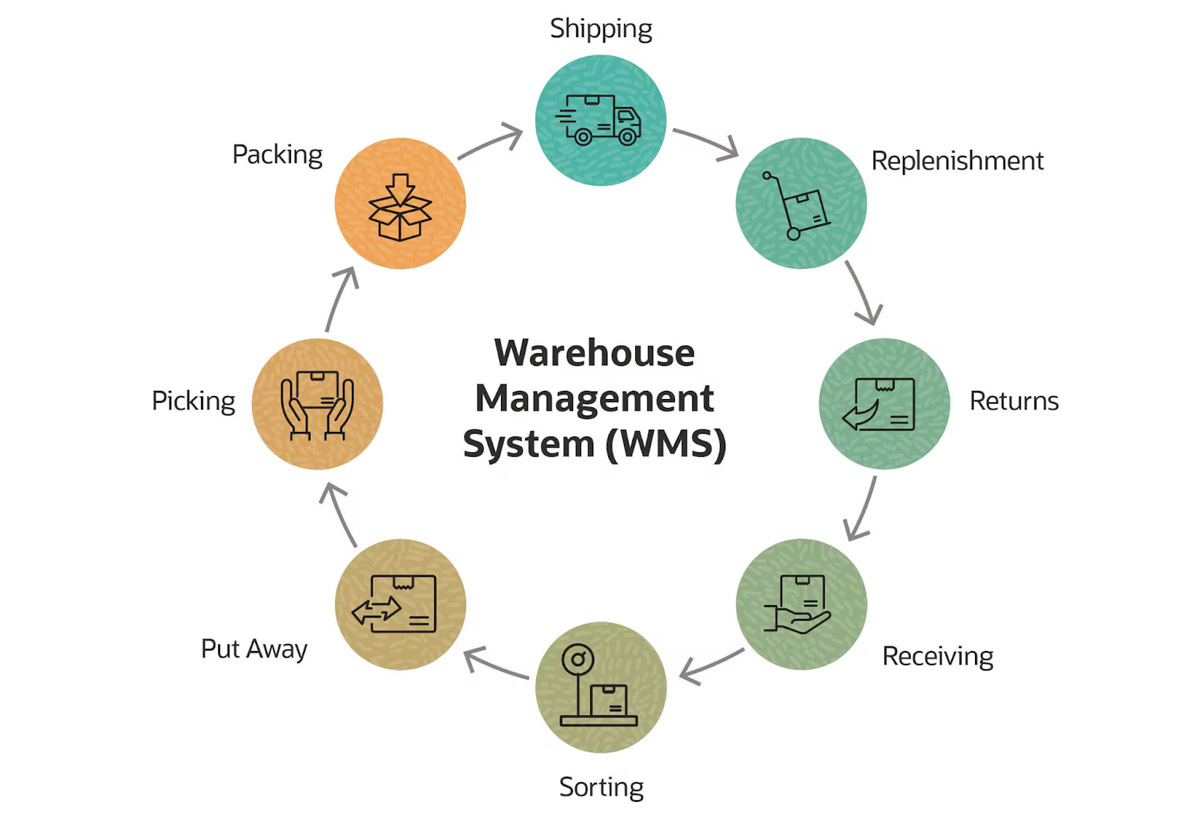
An automated warehouse combines intelligent software, such as a Warehouse Management System (WMS), with technologies like robotics, conveyors, sensors, and AS/RS systems to streamline inventory movement and warehouse operations. By automating key processes, businesses can improve accuracy, reduce labour requirements, and increase fulfilment speed.
1. Receiving and Putaway
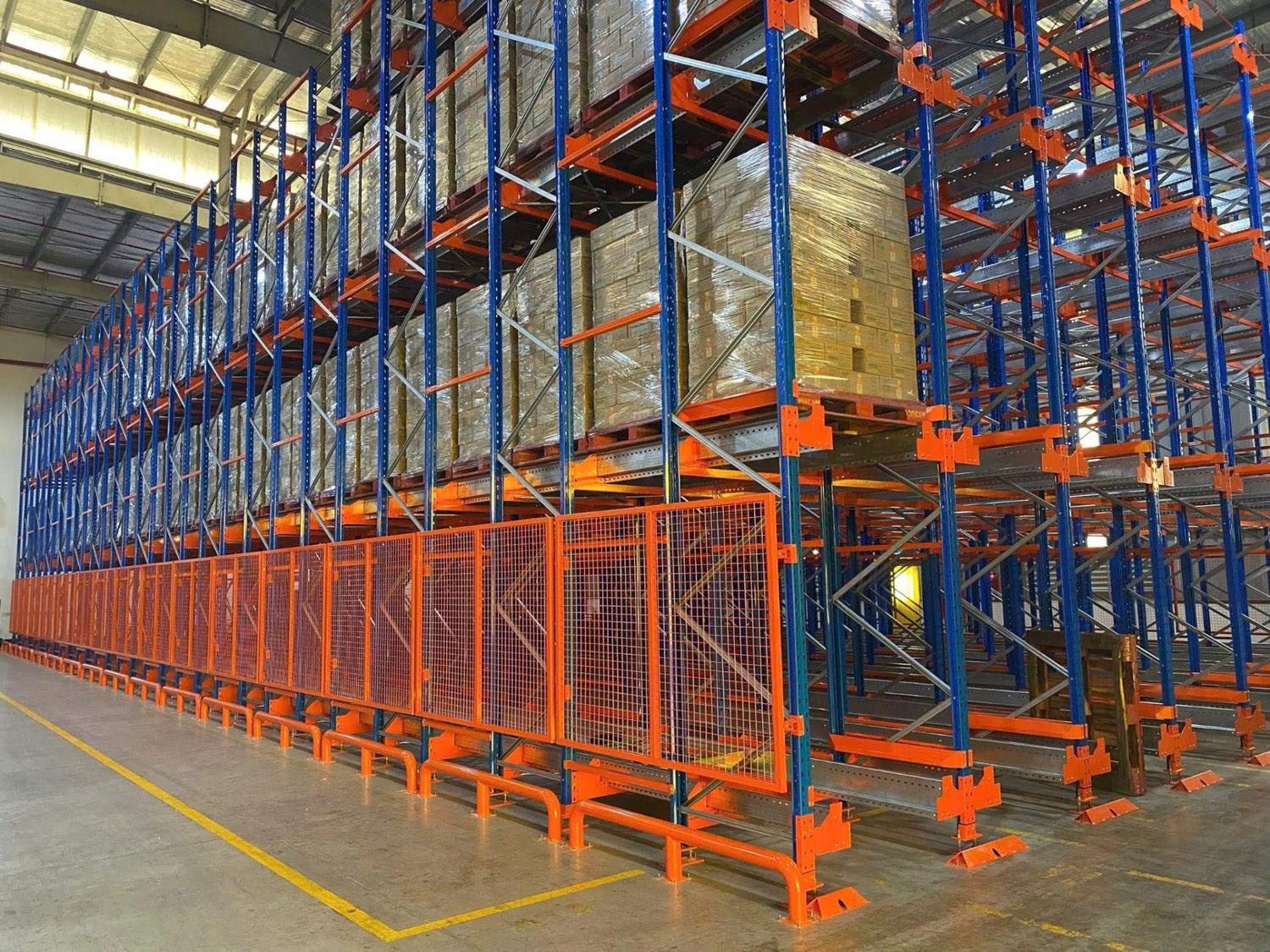
When inventory arrives, barcode scanners or RFID technology automatically record product information into the warehouse management system. Conveyors, autonomous mobile robots (AMRs), or other automated equipment then transport goods to designated storage locations, ensuring efficient space utilisation and reducing manual handling.
2. Automated Storage
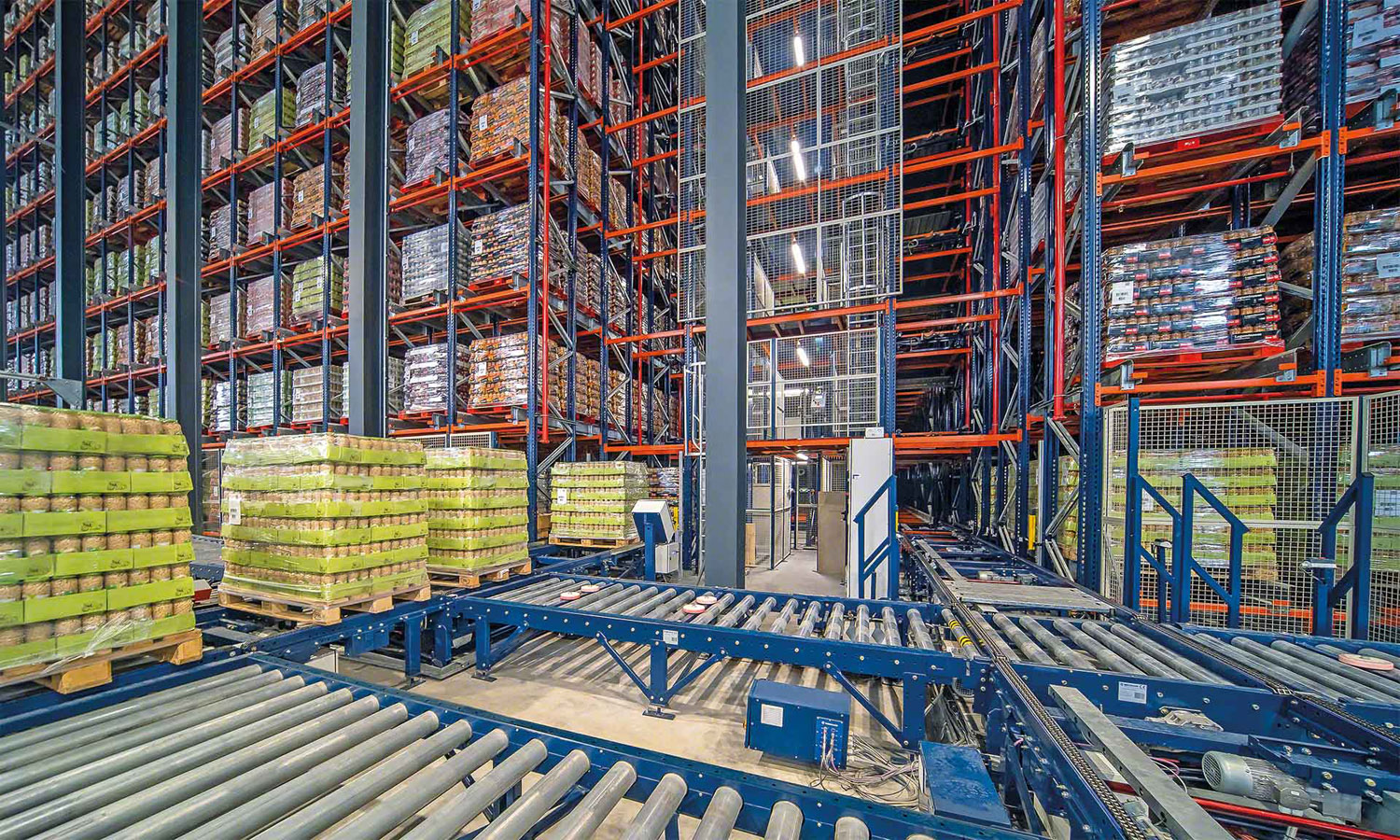
Products are stored using automated storage solutions such as AS/RS systems, shuttle systems, or robotic cranes. These technologies automatically place and retrieve pallets or bins, maximising vertical storage capacity while improving inventory accuracy and accessibility.
3. Order Picking
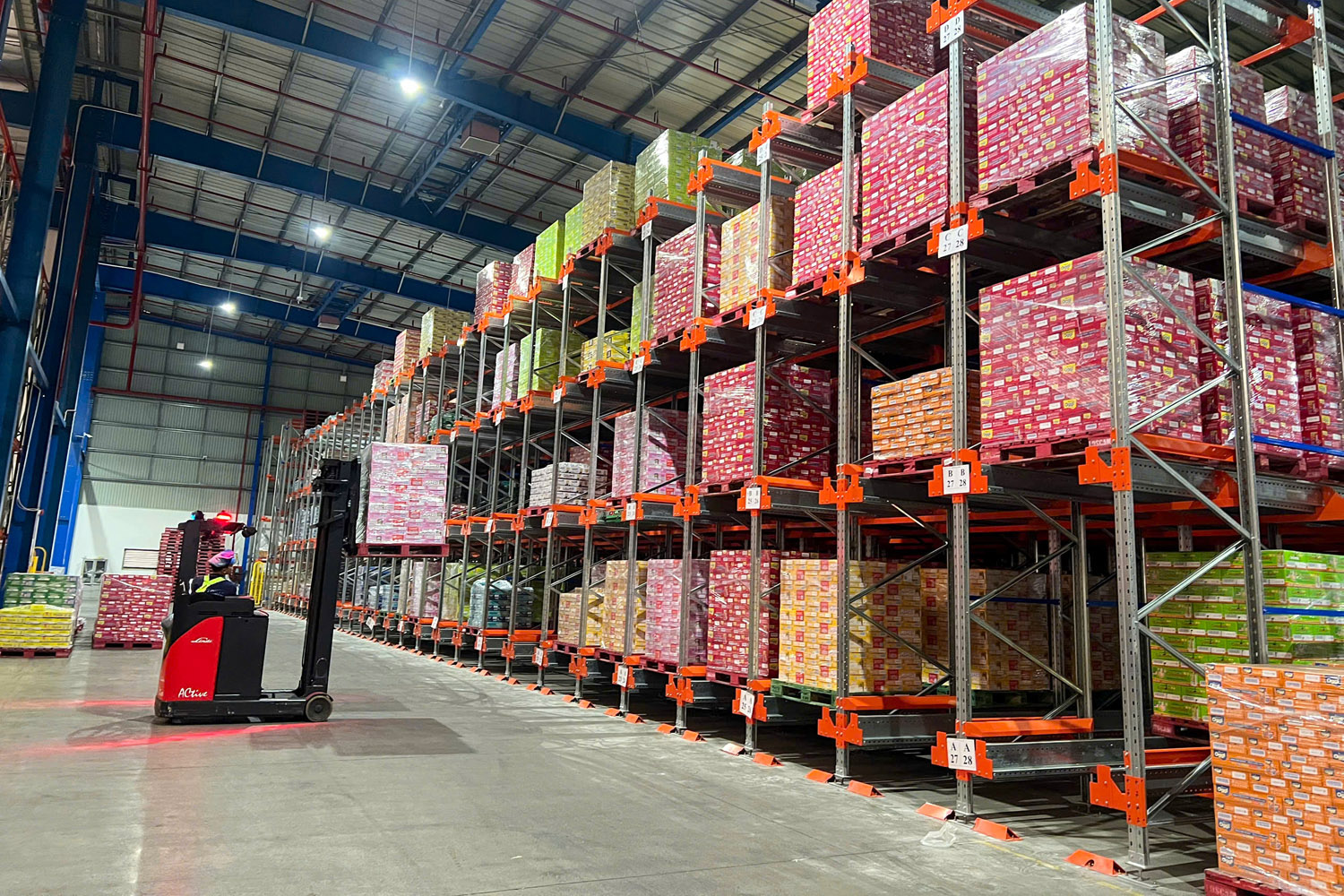
When an order is received, the WMS determines the most efficient picking sequence. Instead of workers travelling throughout the warehouse, automated systems deliver products directly to picking stations using AMRs, robotic shuttles, or goods-to-person technology, increasing productivity and reducing picking errors.
4. Sorting, Packing and Shipping
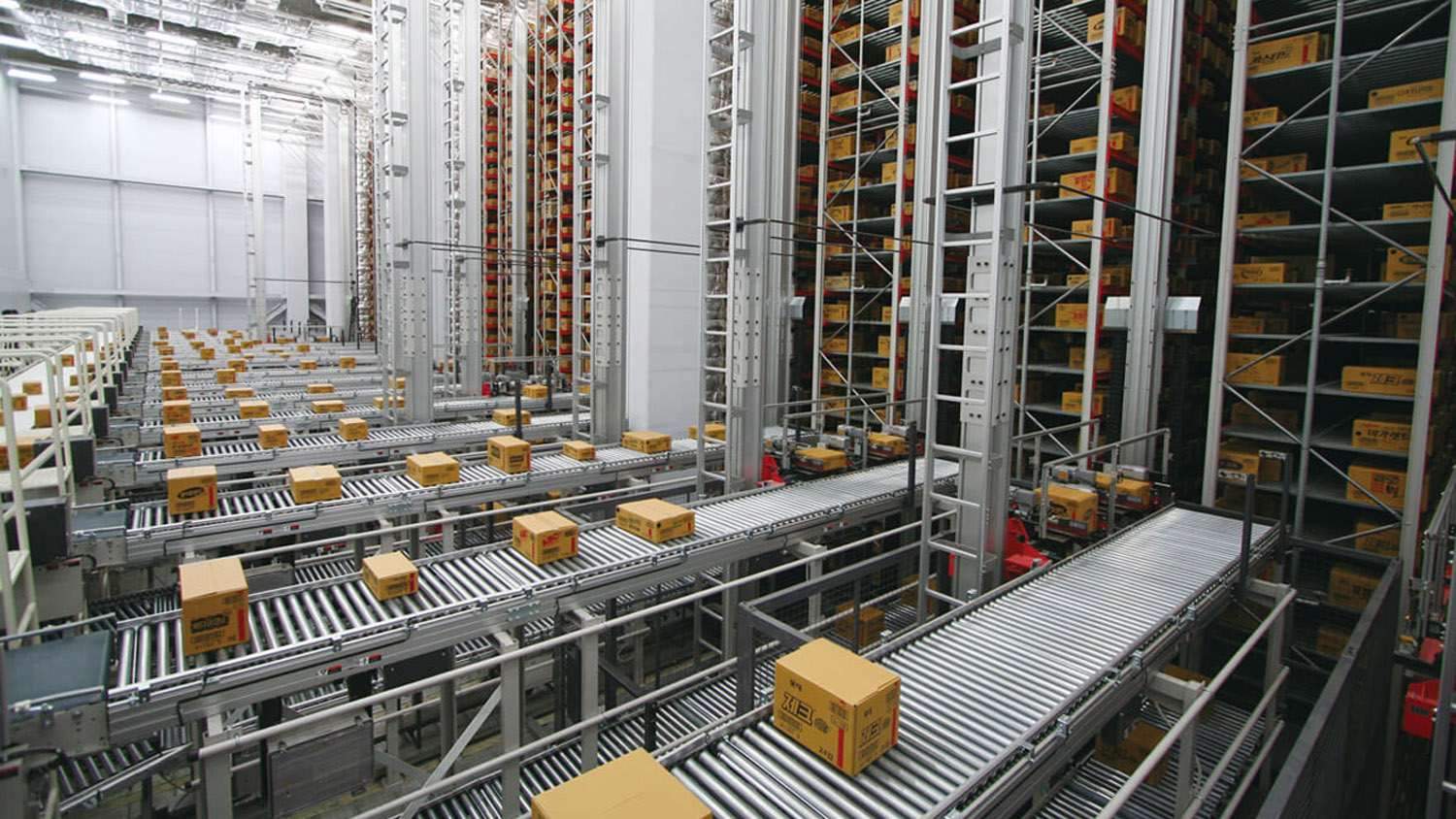
Picked items are automatically sorted, packed, labelled, and routed for dispatch. Automated packaging and conveyor systems help accelerate order fulfilment, improve shipping accuracy, and ensure products reach the correct loading dock for delivery.
Automated Warehouse Systems by Vinatech
Warehouse automation is not a single solution, but a combination of technologies designed to address different operational needs, warehouse layouts, and throughput requirements. Depending on storage density, order profiles, labor availability, and scalability objectives, organizations can deploy various automation systems to optimize efficiency and accuracy within automated warehouses.
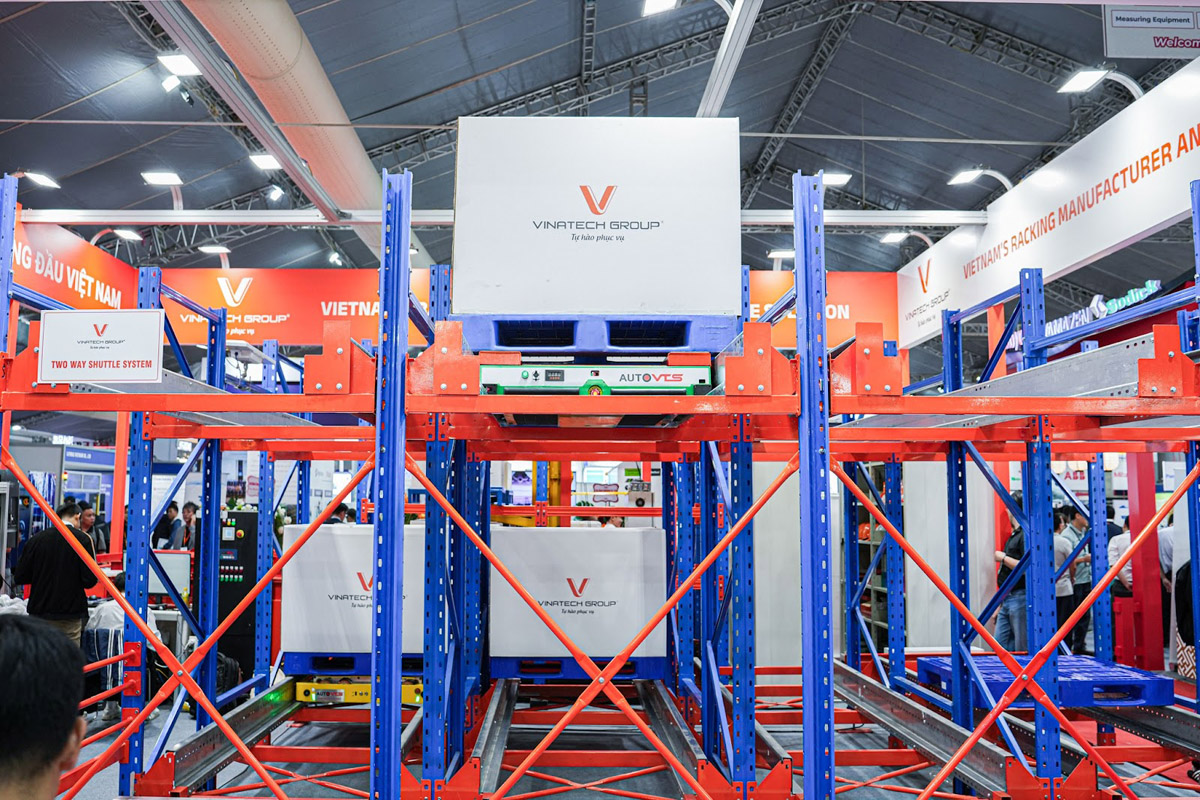
Shuttle Racking System
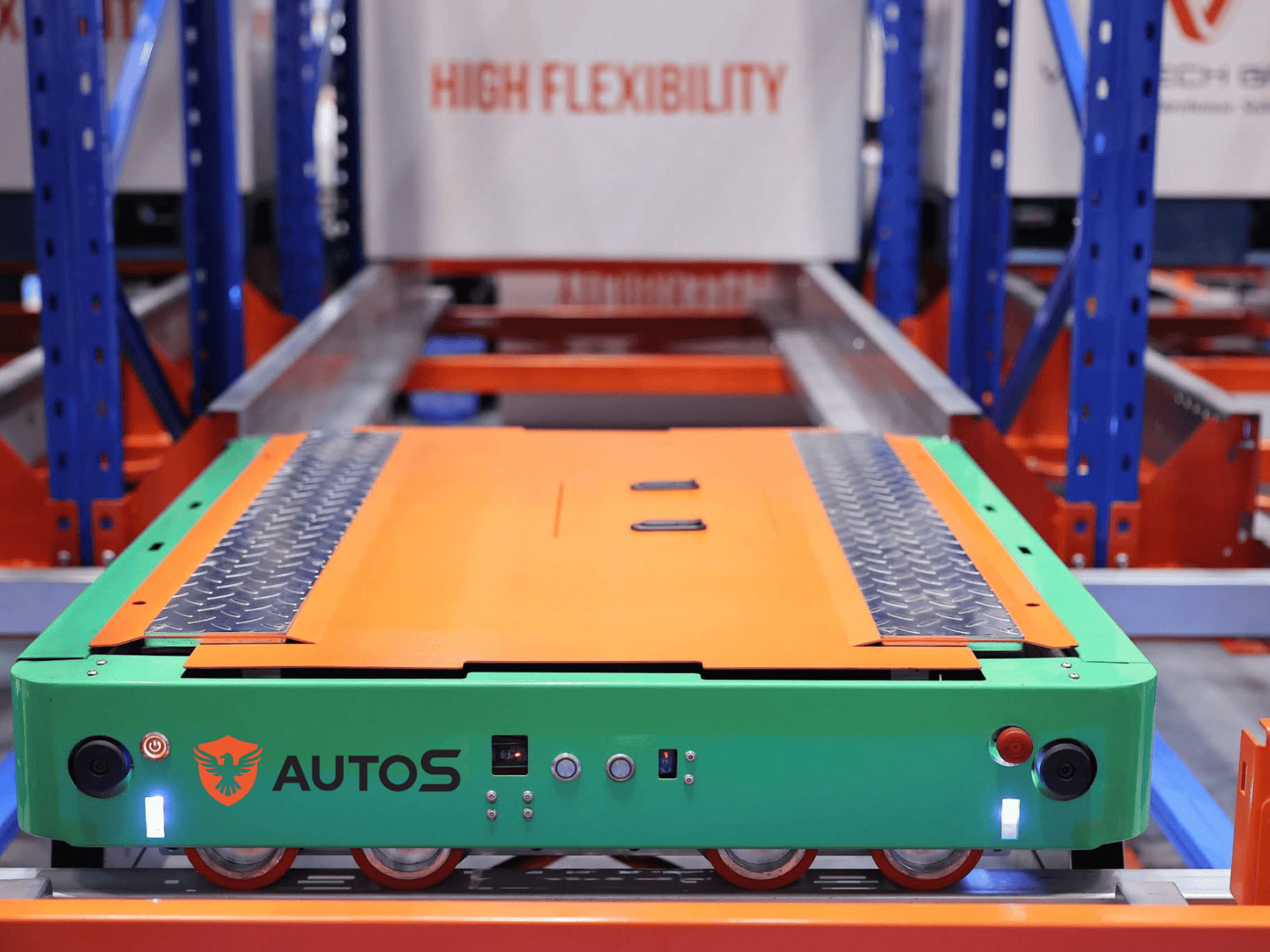
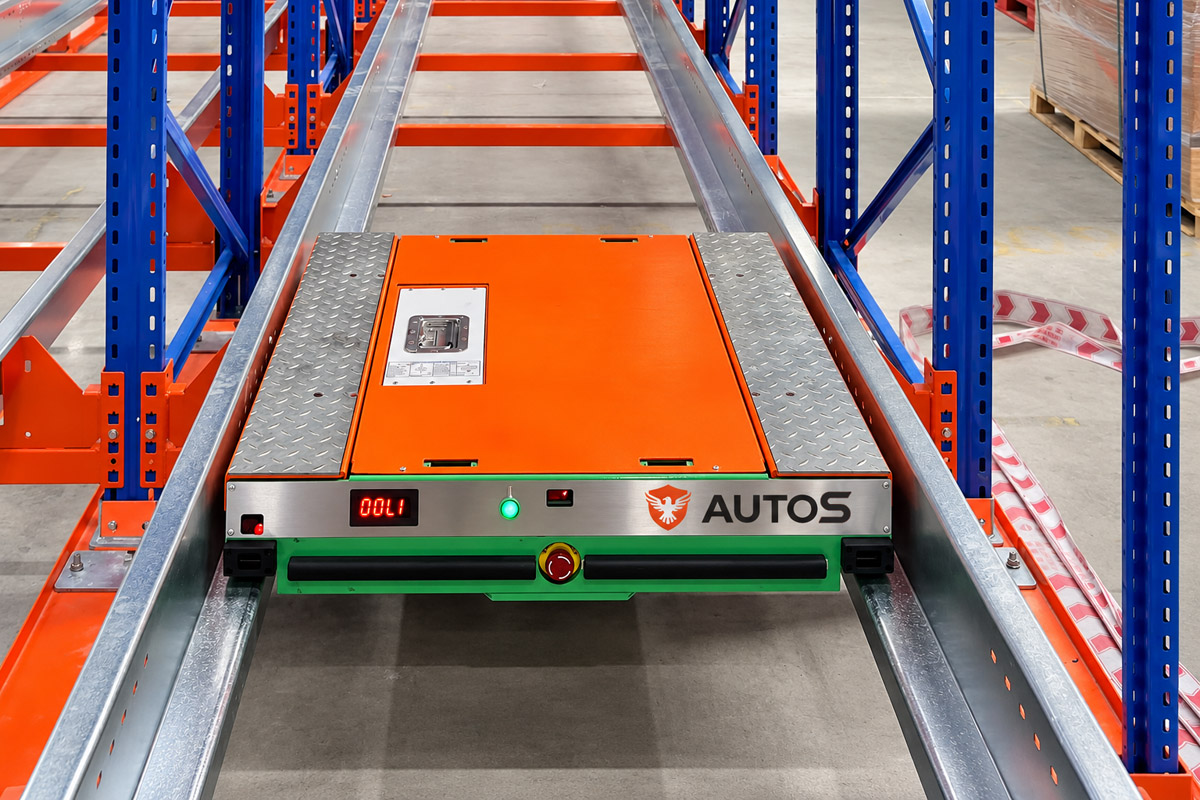
The shuttle racking system is a semi-automated to highly automated storage solution that uses shuttle carts to move pallets or totes inside racking channels, eliminating the need for forklifts to enter deep lanes. There are two main types of shuttle systems:
- 2-way shuttle: Moves forward and backward within a single racking channel. Forklifts or lifting devices place the shuttle on each level and handle pallet loading and unloading at the front of the rack.
- 4-way shuttle: A more advanced automation solution that allows shuttle movement in four directions (forward, backward, left, right), typically integrated with lifts or conveyors for fully automated operation.
The choice between 2-way and 4-way shuttle systems depends on the desired level of automation, warehouse scale, investment budget, and long-term growth strategy.
Mobile Racking System
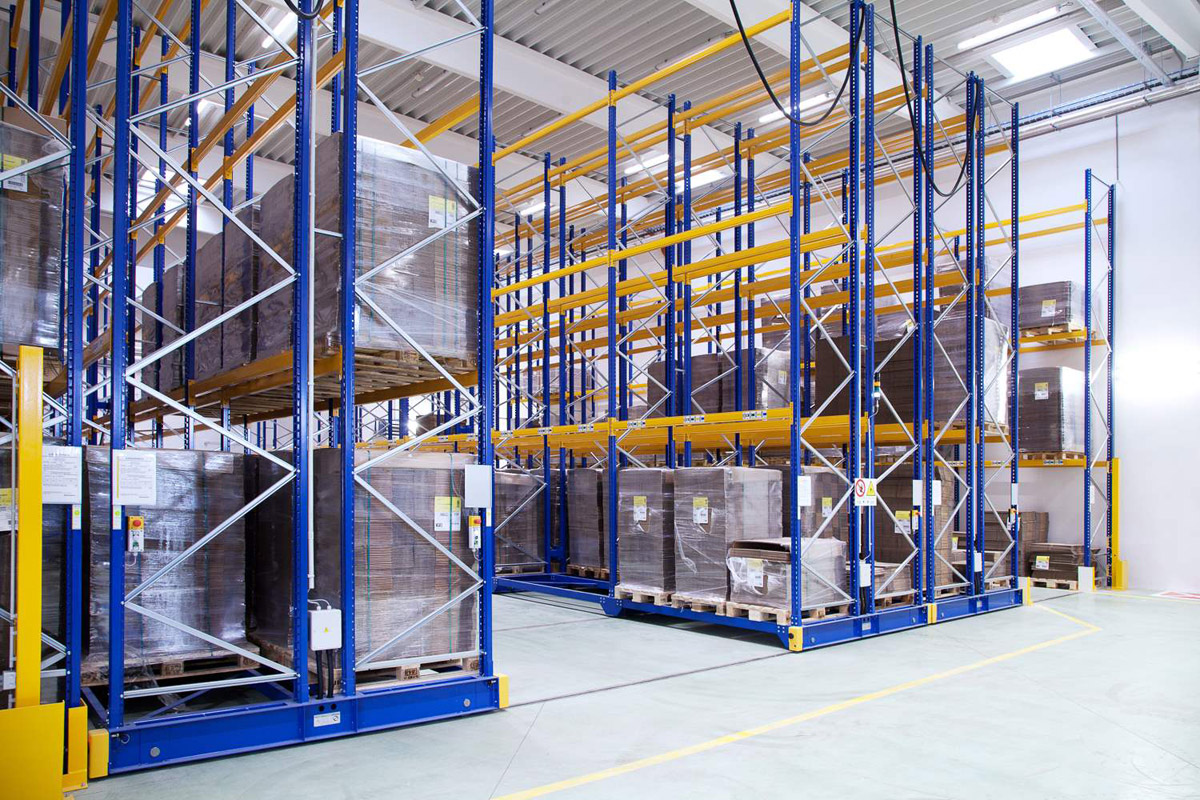
Mobile racking systems can be operated manually, semi-automatically, or via electric control. This high-density storage solution places entire racking aisles on movable bases running along floor-mounted rails, allowing aisles to open only when access is required.
Unlike traditional selective racking with multiple fixed aisles, mobile racking typically requires only one or two working aisles, increasing storage capacity by up to 80–90% within the same warehouse footprint.
ASRS System
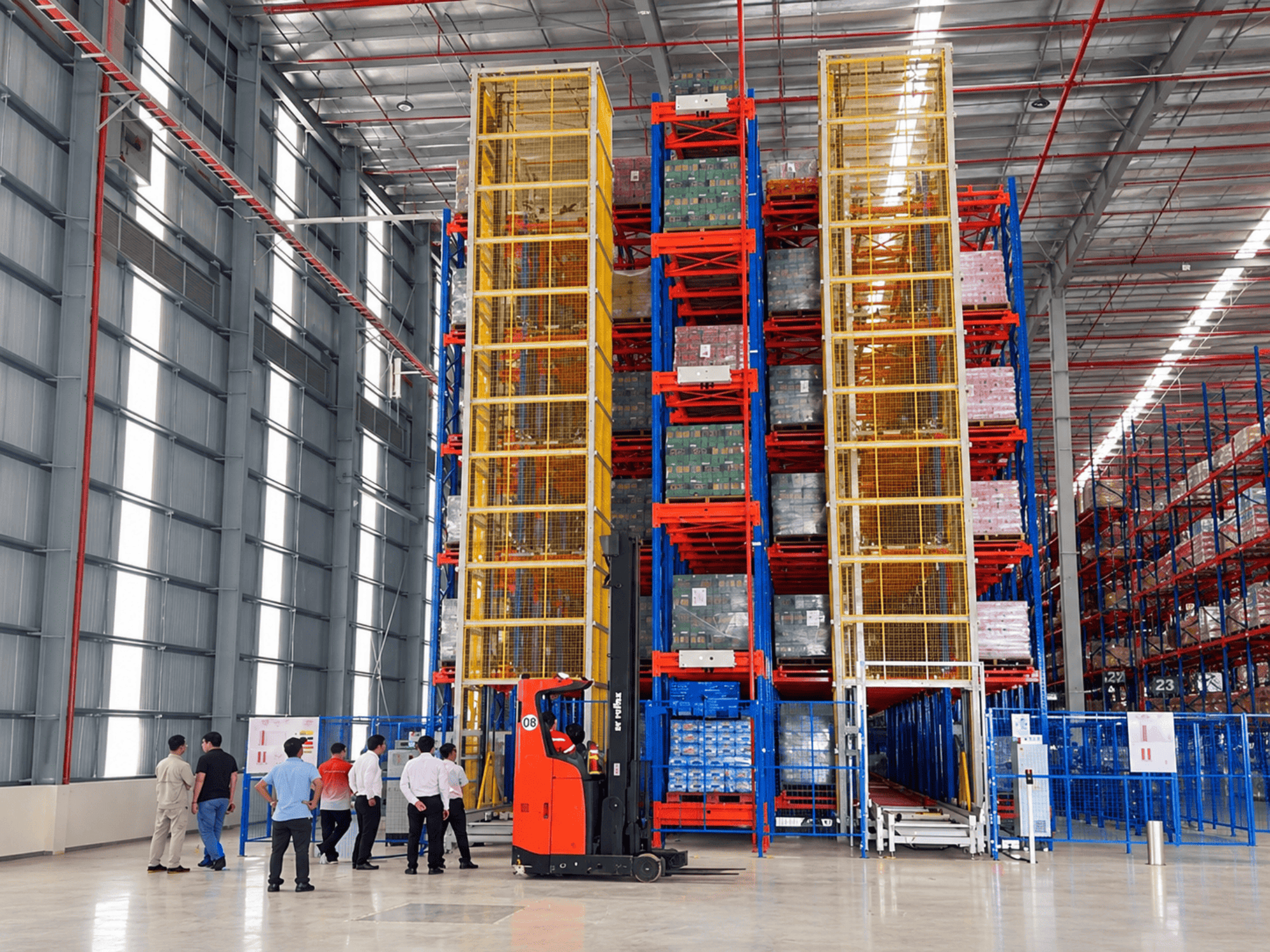
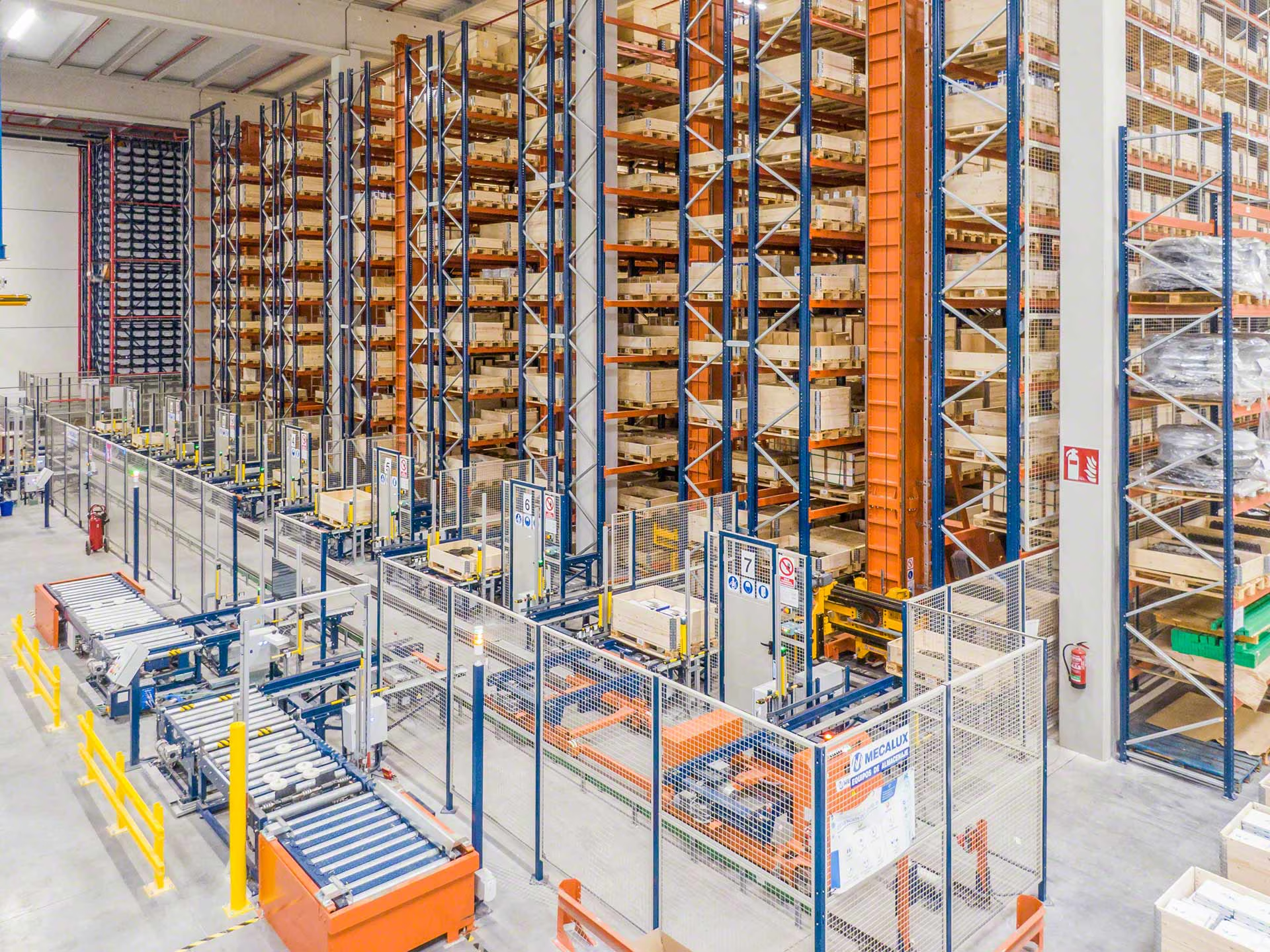
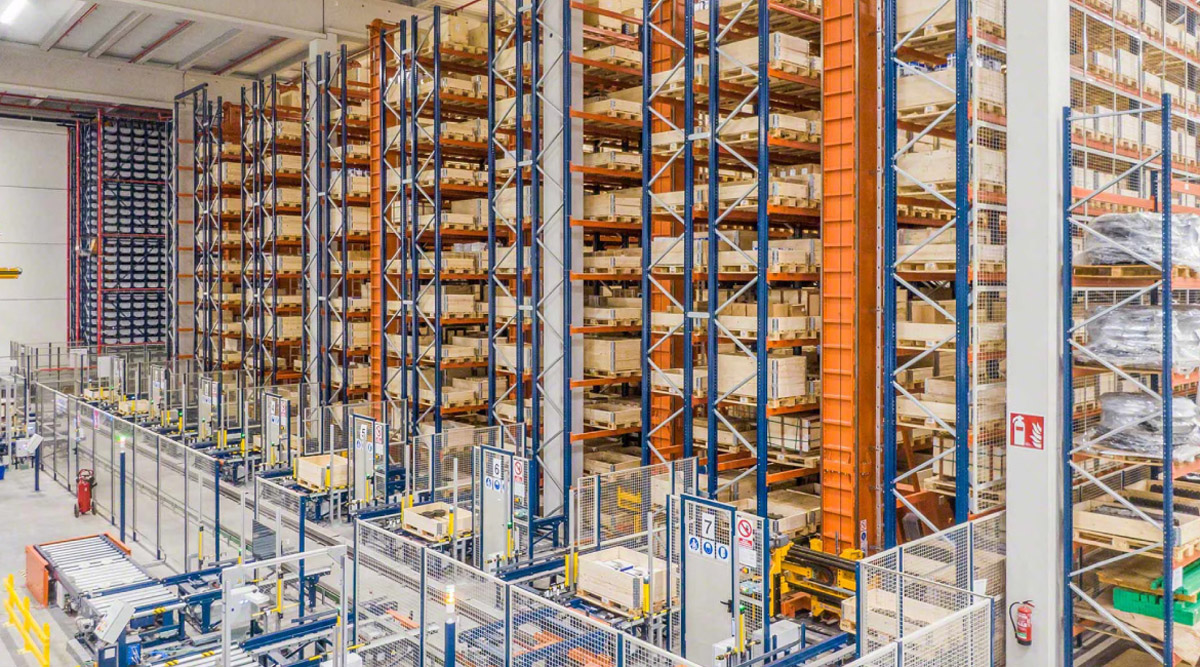
ASRS is a fully automated storage and retrieval solution that utilizes stacker cranes, shuttles, conveyors, and centralized control software to handle pallets or totes with high precision. By maximizing vertical space utilization, ASRS significantly reduces manual labor while providing real-time inventory visibility.
When integrated with WMS/WCS platforms, ASRS enables automated inbound and outbound planning, reduces operational errors, and supports scalable growth as volumes increase, making it a cornerstone of advanced warehouse automation.
Automatic guided vehicles (AGVs)
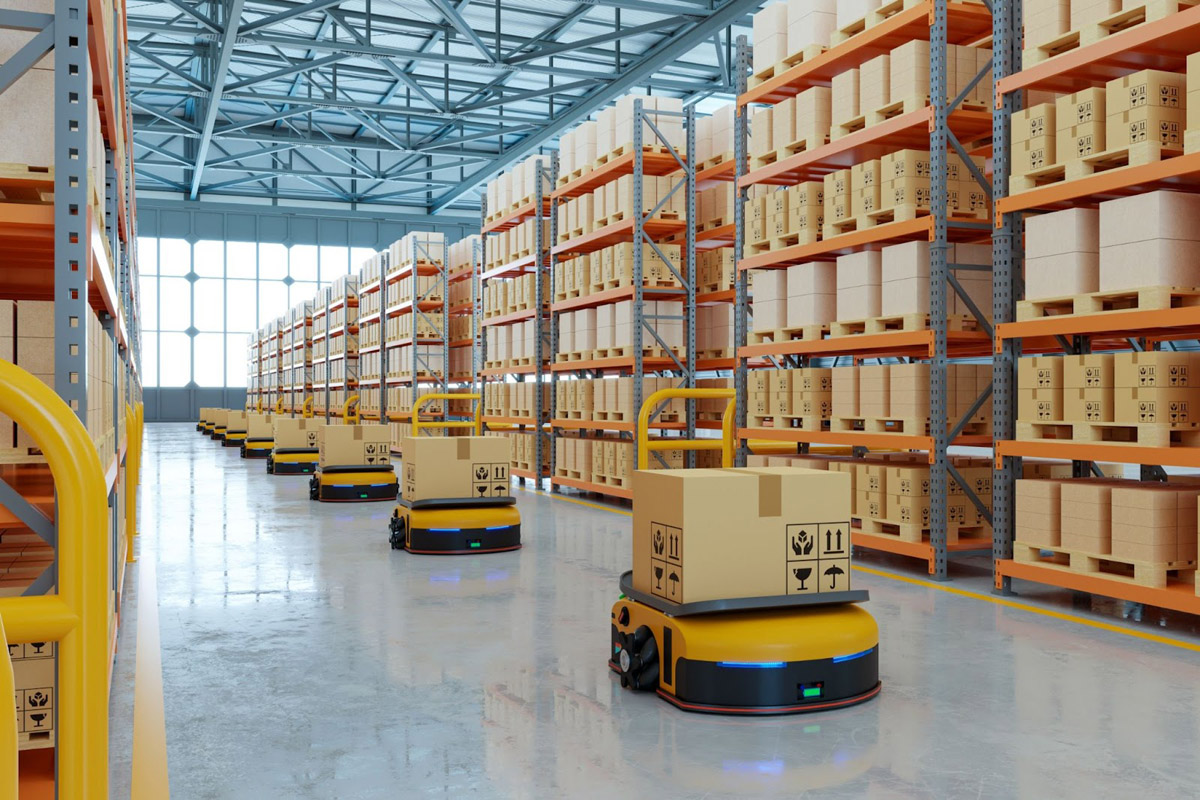
AGVs are automated systems designed to transport materials and goods within warehouses using self-guided vehicles that follow pre-programmed routes. These vehicles rely on navigation technologies such as magnetic tape, lasers, cameras, or GPS.
From an efficiency perspective, AGVs deliver measurable improvements:
- Enable higher-density warehouse layouts
- Increase storage capacity by approximately 50-70% through vertical space utilization and reduced aisle widths
- Boost inbound and outbound handling capacity by 2-3 times compared to manual operations
- Operate continuously 24/7 without downtime, significantly multiplying transport productivity
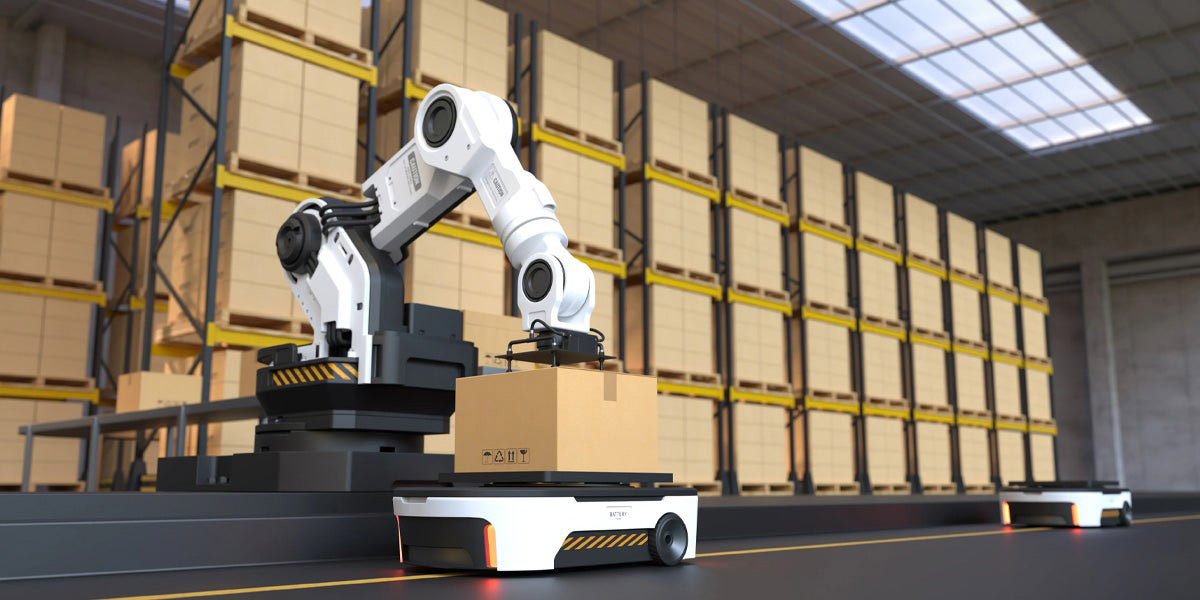
Autonomous mobile robots (AMRs)
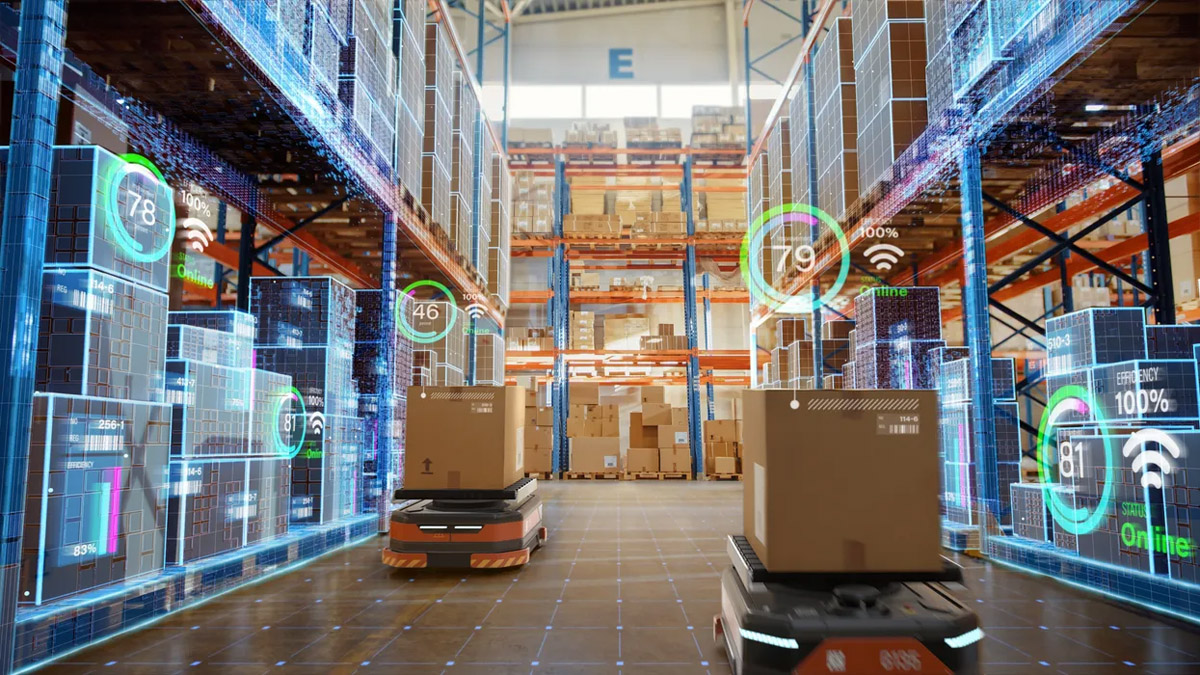
AMRs represent a more advanced generation of mobile robots compared to AGVs. They can self-localize, avoid obstacles, and dynamically optimize routes in changing warehouse environments. Instead of following fixed paths, AMRs use digital mapping, cameras, and AI to adapt in real time.
AMRs are especially effective in e-commerce fulfillment centers, multi-SKU distribution warehouses, and high-frequency picking environments. Businesses can deploy AMRs in phases and easily scale the number of robots as demand grows, optimizing investment costs and accelerating return on investment while supporting automated warehousing strategies.
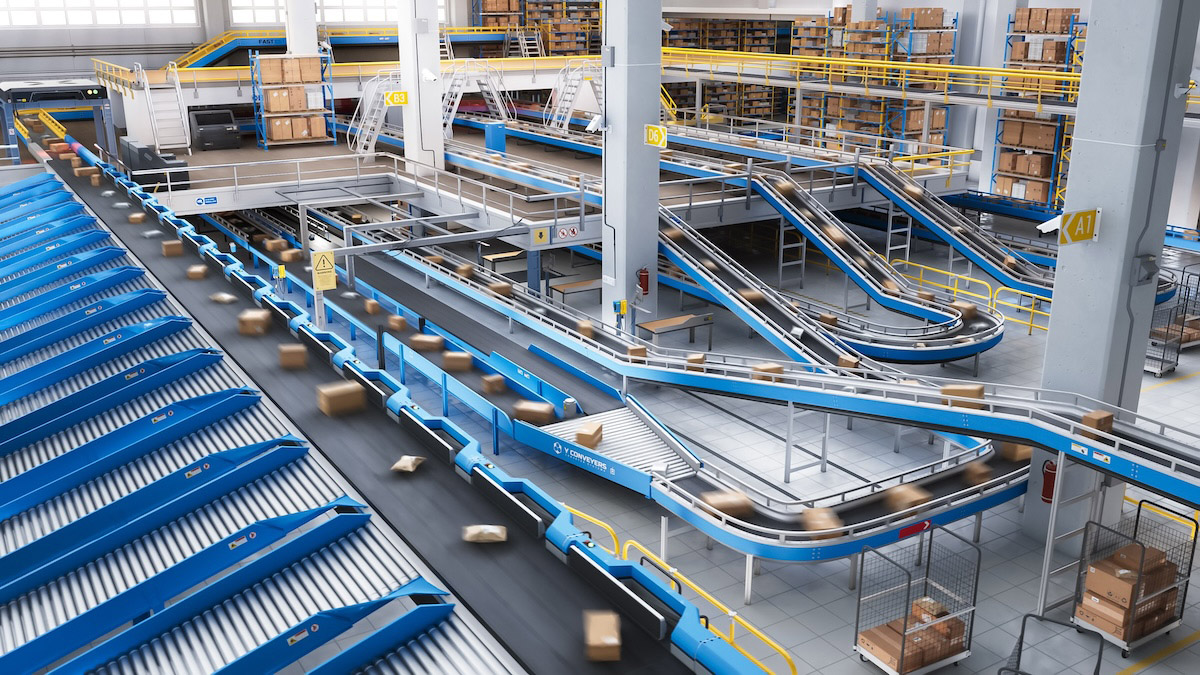
Automated sorting systems
Automated sorting systems use conveyors, sorters, sensors, and control software to automatically separate, route, and direct items based on orders, destinations, or delivery zones. These systems play a critical role in outbound operations at modern distribution centers.
They are essential for e-commerce warehouses, omnichannel retail operations, and third-party logistics (3PL) providers that require fast, accurate, and high-volume order fulfillment. As such, automated sortation is a key enabler of scalable and high-performance automated warehouse systems.
CONSULTING ON AUTOMATED WAREHOUSE SYSTEMS
Call: 0485 083 868 Get In Touch
Advantages of Automated Warehouse Systems
Warehouse automation delivers value far beyond basic mechanisation. By integrating intelligent software, automated equipment, and real-time data, automated warehouses fundamentally transform how facilities operate, optimise space, control costs, and ensure accuracy and safety across daily operations.
Increase warehouse efficiency
By leveraging AI to optimise movement, improve accuracy, and enhance adaptability, automated warehouses enable warehouses to operate more efficiently across the entire workflow, from inbound receiving and storage to order processing and outbound dispatch.
Technologies such as mobile robots, intelligent control systems, and warehouse management software automate workflows, reduce waiting times, eliminate operational bottlenecks, and increase order throughput. As a result, businesses can respond faster to market demand, shorten lead times, and improve overall customer service quality.
Optimise warehouse space utilisation
Automated warehouses enable optimal use of both horizontal and vertical space through high-density storage solutions such as ASRS, shuttle racking, and mobile racking. This is especially critical as land and warehouse construction costs continue to rise, allowing businesses to expand storage capacity without increasing floor space.
AI-enabled software analyses inventory data and inbound-outbound patterns to allocate storage efficiently, reduce unnecessary aisles, and maximise capacity within the same warehouse footprint.
Reduced labor and operational costs
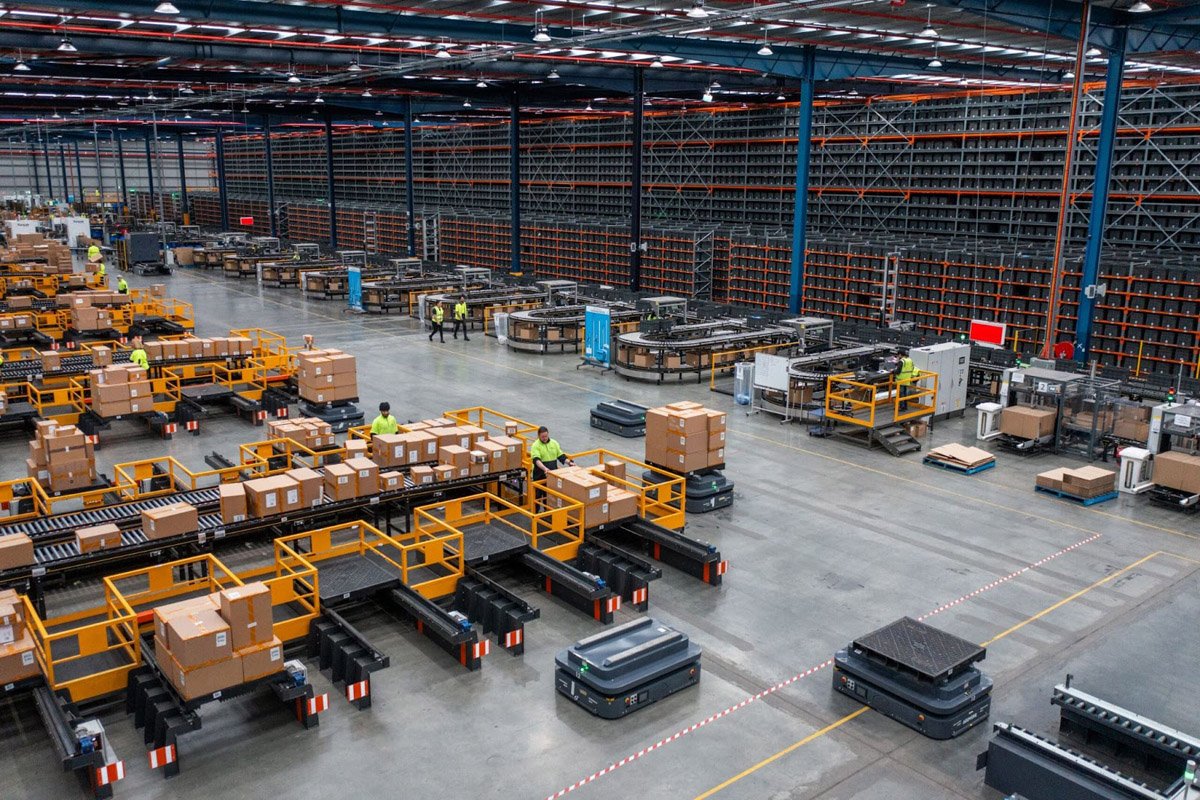
Implementing automated warehouse systems significantly reduces reliance on manual labour for repetitive and physically demanding tasks such as transportation, loading, unloading, and picking. Standardised processes and reduced operational errors also help minimise additional costs related to error handling, returns, and operational disruptions.
Reduced processing and storage costs
With real-time inventory tracking and accurate data analytics, businesses can minimise excess stock, reduce long-term storage costs, and avoid resource waste. In addition, optimised material flows and reduced unnecessary movement of goods and equipment help lower energy consumption, improving overall cost efficiency in warehouse operations.
Things to consider when implementing Automated Warehouses
Increasing pressure on processing speed, labour costs, and service expectations is driving businesses to adopt warehouse automation. However, to ensure sustainable success, organisations must evaluate a broad range of factors rather than focusing solely on short-term technological benefits.
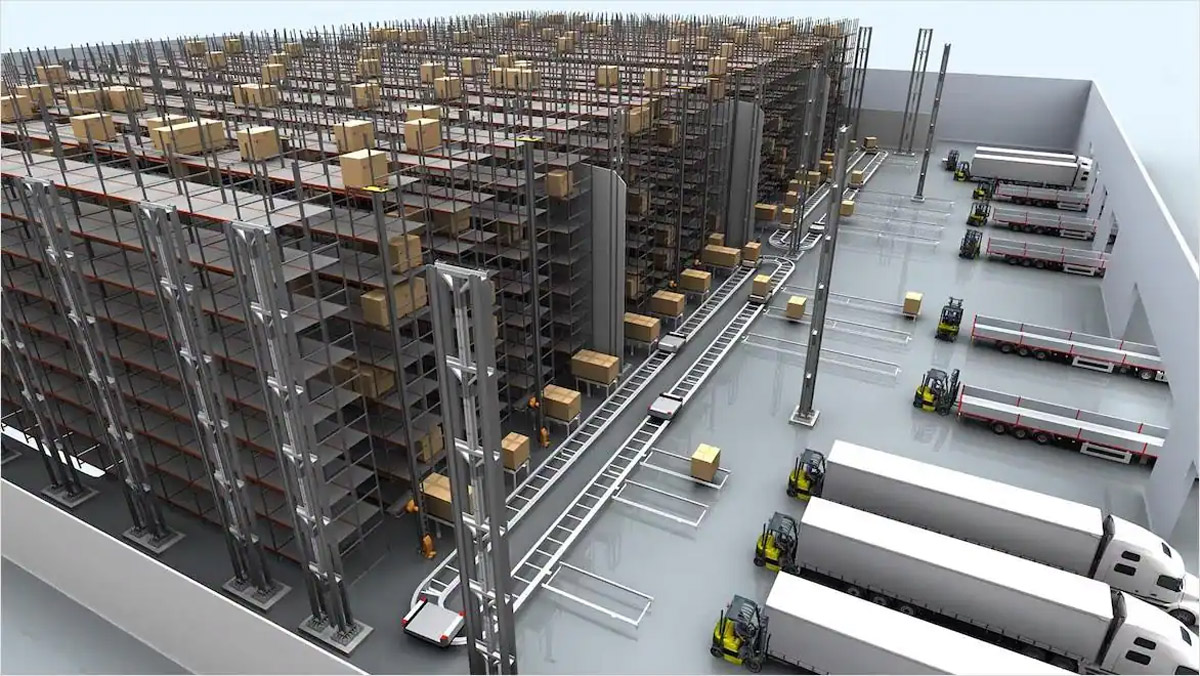
A thorough understanding of system operation is necessary
A comprehensive understanding of how automation systems operate, including decision-making logic, equipment coordination, exception handling, and incident response, is essential for stable and efficient performance.
In addition, continuous equipment monitoring, regular software updates, and timely response to early warning signs help prevent unexpected failures and extend system lifespan. A proactive, data-driven maintenance strategy ensures continuous, safe operation while optimising long-term maintenance costs and overall return on investment.
Operating costs
Beyond initial capital investment, businesses must account for ongoing operating expenses such as energy consumption, software licensing, equipment maintenance, spare parts, and technical personnel. The higher the level of automation, the greater the operational complexity and cost requirements.
However, with proper planning and system selection from the outset, operating costs can be effectively controlled and deliver long-term value. Choosing solutions aligned with operational scale and business needs, combined with continuous process optimisation and performance monitoring, helps balance cost efficiency with operational performance.
Warehouse Automation Best Practices
To implement automated warehouses effectively and sustainably, businesses should follow a structured approach, starting with a clear assessment of operational needs and business objectives.
- Integration with WMS: Ensure the automation system integrates seamlessly with WMS platforms to manage inventory control, tracking, labour cost reporting, dashboards, and core operational automation.
- Invest in scalable solutions: Technology should grow alongside the business, supporting future expansion of warehouse space, workforce, equipment, and supply-chain partners.
- Automate data collection: Regardless of automation level, prioritise solutions that automate data collection, transmission, and storage as a foundation for optimisation and future scalability.
- Optimise inbound processes: Data collection should begin at receiving, enabling accurate workflow planning and reduced downstream errors.
- Evaluate warehouse design: Physical automation solutions such as GTP, ASRS, AGVs, and sortation systems require appropriate layouts and sufficient space to operate efficiently.
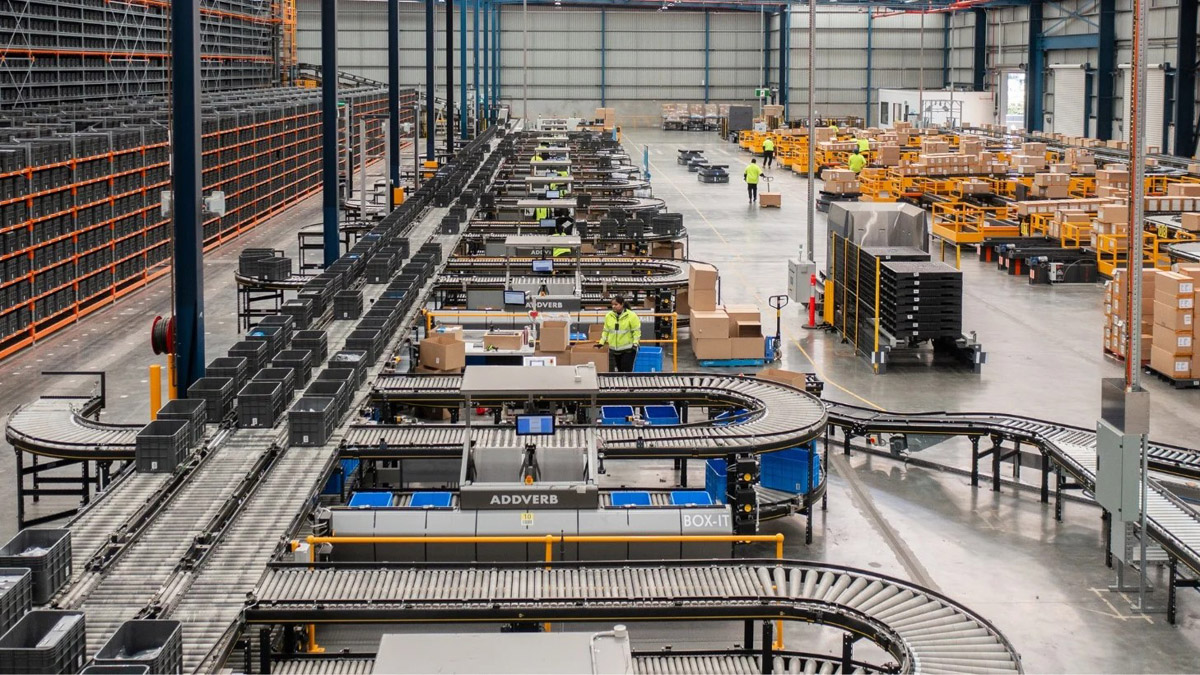
Cost of implementing Automated Warehouses
Cost evaluation should be approached from a total cost of ownership (TCO) and return on investment (ROI) perspective rather than focusing solely on upfront capital expenditure. Over the long term, warehouse automation reduces labour costs, minimises errors, accelerates order processing, and optimises space utilisation, delivering sustainable economic value.
Businesses should conduct comprehensive cost-benefit analyses and select phased investment strategies that balance budget constraints, operational efficiency, and long-term growth objectives while successfully working to automate warehousing.
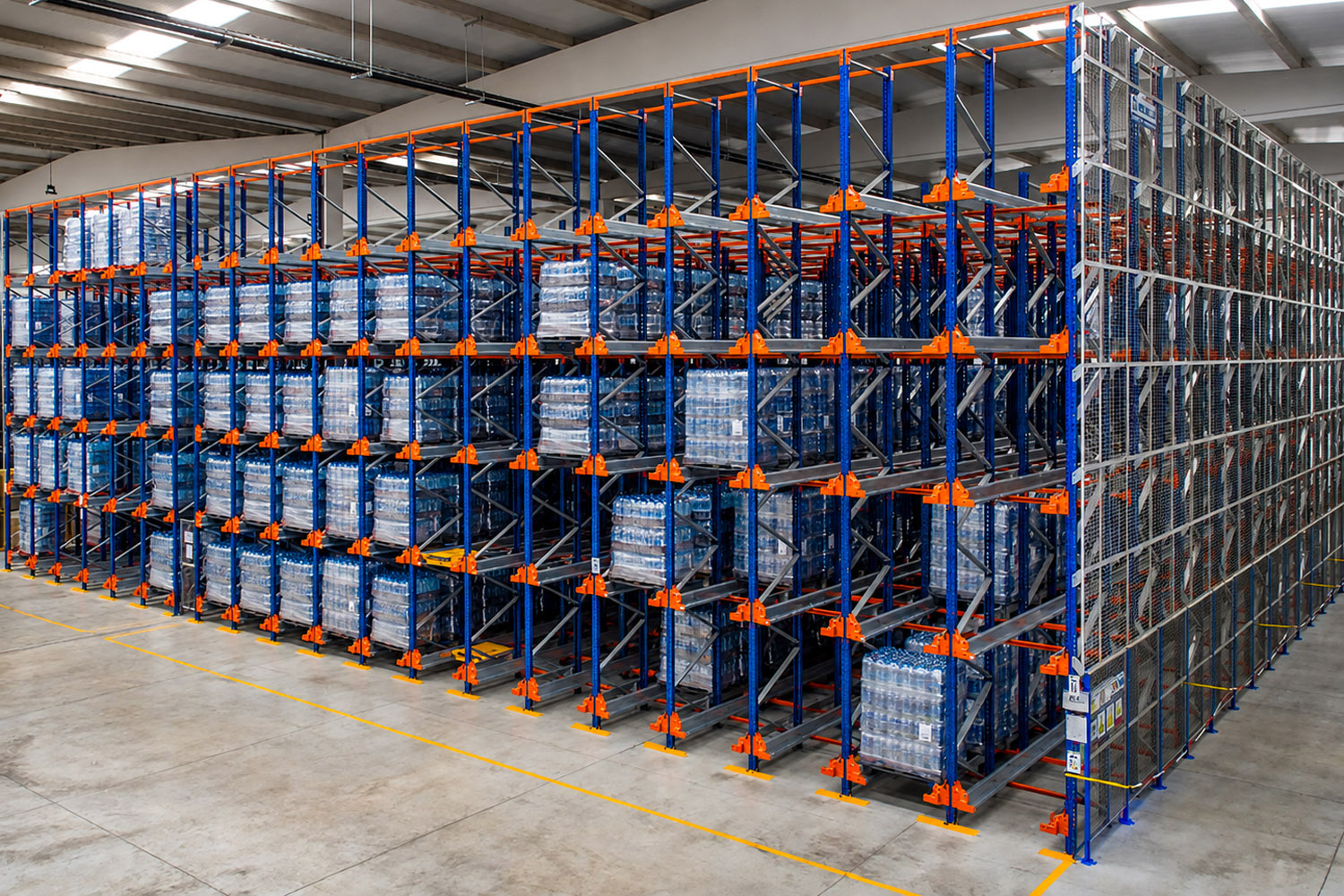
Why Choose Vinatech for Automated Warehouse Solutions?
Vinatech is a leading provider of Automated Warehouse Solutions, helping businesses improve storage efficiency, increase operational productivity, and accelerate order fulfilment through advanced warehouse automation technologies.
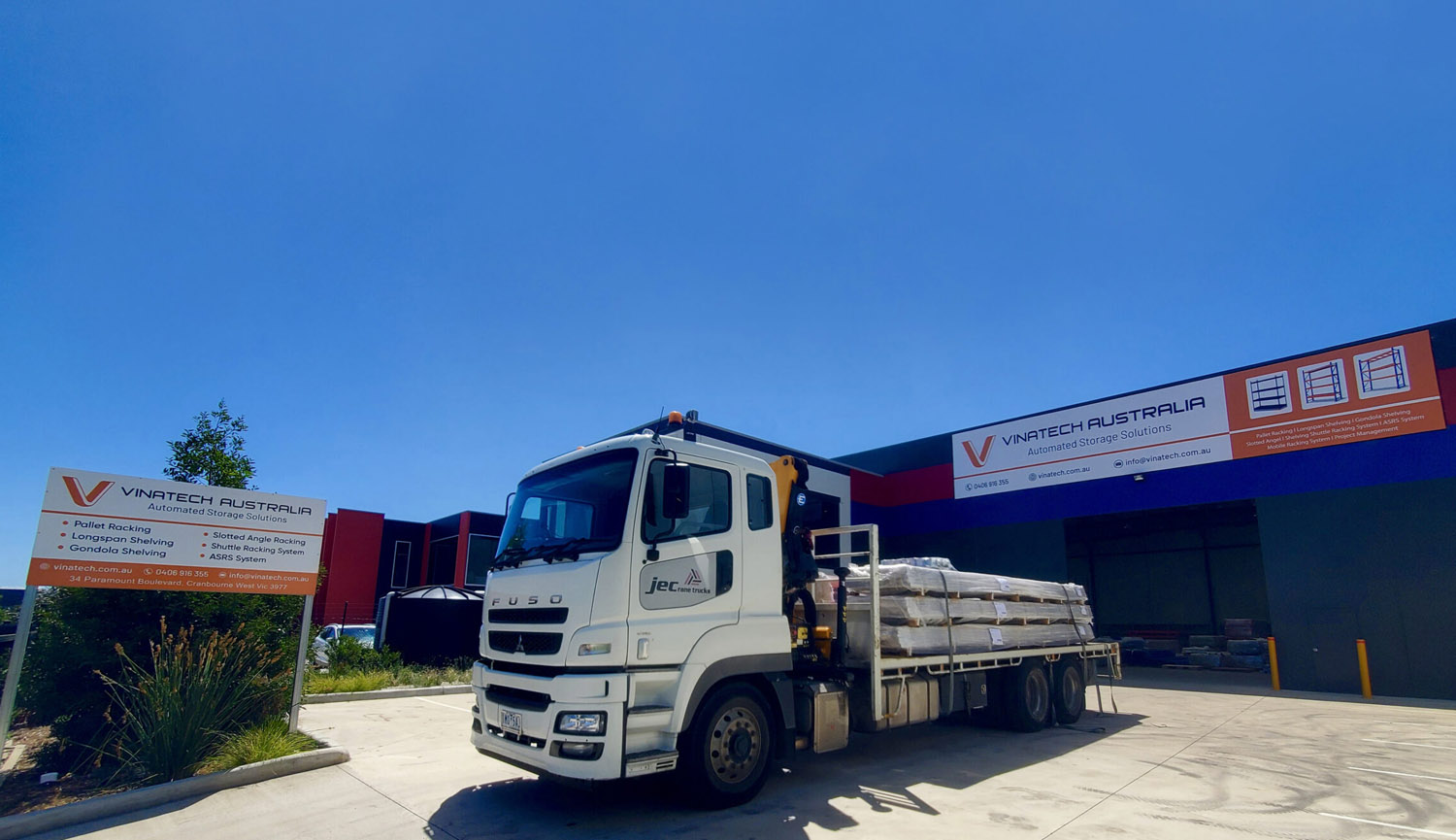
With a strong manufacturing foundation in Vietnam and growing operations in Australia, Vinatech delivers customised solutions including AS/RS systems, pallet shuttle racking, automated storage systems, warehouse management integration, and intelligent material handling equipment.
By combining engineering expertise, innovative technology, and industry-specific design, Vinatech helps logistics providers, manufacturers, retailers, and distribution centres optimise warehouse performance while reducing labour costs and maximising storage capacity.
Vinatech Australia: Industrial Warehouse Racking – Automated Warehouses Solutions
- Phone number: 0485 083 868
- Email: info@vinatech.com.au
- Address: 34 Paramount Bvd, Cranbourne West VIC 3977
FAQ about Automated Warehouse
What is an Automated Warehouse?
An Automated Warehouse is a facility that uses technologies such as robotics, AS/RS systems, conveyors, and warehouse management software to automate storage, picking, packing, and inventory handling processes.
How does an Automated Warehouse work?
An Automated Warehouse integrates intelligent software with automated equipment to manage inventory movement, optimise storage locations, and streamline order fulfilment with minimal manual intervention.
What are the benefits of warehouse automation?
Warehouse automation improves productivity, increases inventory accuracy, reduces labour costs, accelerates order fulfilment, and maximises storage space utilisation.
What technologies are used in an Automated Warehouse?
Common technologies include AS/RS systems, robotic shuttles, AMRs, conveyors, barcode scanners, RFID systems, and warehouse management software (WMS).
What is the difference between a traditional warehouse and an Automated Warehouse?
Traditional warehouses rely heavily on manual labour, while automated warehouses use technology and robotics to improve efficiency, accuracy, and operational performance.
How can warehouse automation improve operational efficiency?
Warehouse automation reduces manual handling, speeds up inventory movement, minimises errors, and optimises workflows to improve overall warehouse performance.
What industries commonly use Automated Warehouse systems?
Automated warehouses are widely used in logistics, e-commerce, manufacturing, food and beverage, pharmaceutical, retail, and cold storage industries.
Is an Automated Warehouse suitable for small and medium-sized businesses?
Yes, scalable automation solutions are available for businesses of all sizes, allowing companies to improve efficiency while controlling investment costs.
What is an AS/RS system in warehouse automation?
An AS/RS (Automated Storage and Retrieval System) is a computer-controlled solution that automatically stores and retrieves pallets, cartons, or bins to improve storage density and inventory accuracy.
How do Autonomous Mobile Robots (AMRs) support warehouse operations?
AMRs transport inventory throughout the warehouse autonomously, reducing travel time, improving productivity, and supporting goods-to-person picking operations.

William Harris is the Production Director at Vinatech Australia, with more than 10 years of experience in industrial warehouse racking, manufacturing, warehouse optimisation and smart storage technologies. His professional background combines engineering, production management and warehouse operations, enabling him to oversee the development of storage systems designed for safety, durability, efficiency and long-term operational performance.