Automated Warehouse Systems: Levels, Technologies and Benefits
Automated warehouse systems help businesses store, retrieve and move inventory with less manual intervention. They combine material handling equipment, software and, in some installations, robotics to support the flow of goods through a facility.
If your team spends too much time walking between locations, recording stock movements or transferring goods between workstations, automation may help address those bottlenecks. The appropriate solution depends on your inventory, order profile and existing processes.


Planning Your Next Warehouse Project?
Let’s Make It Work Better Chat on WhatsApp
This guide explains the main levels of warehouse automation, the technologies available and the operational benefits you should assess before investing.
What Are Automated Warehouse Systems?
Automated warehouse systems connect physical equipment and software to carry out or coordinate inventory handling tasks. These tasks can include putting goods into storage, retrieving stock, transporting items, directing picking activities and moving completed orders towards dispatch.
The equipment performs physical movements, while software manages information and issues instructions. For example, an order can trigger a retrieval request, prompting automated equipment to bring the required stock to a picking workstation. The resulting inventory movement is then recorded within the connected system.
Automation does not require every warehouse activity to operate without people. You can introduce it to a specific process, such as carton transport or stock identification, while retaining manual handling elsewhere.
This makes the starting point practical: identify where work slows down, errors occur or staff spend time on repetitive movements. That process should guide the technology you assess.
Three Levels of Warehouse Automation
Warehouse automation can be explained through three broad levels: basic tools that assist workers, integrated systems that coordinate processes, and advanced technologies that support more autonomous operations. This framework describes the degree of automation rather than a compulsory sequence every business must follow.
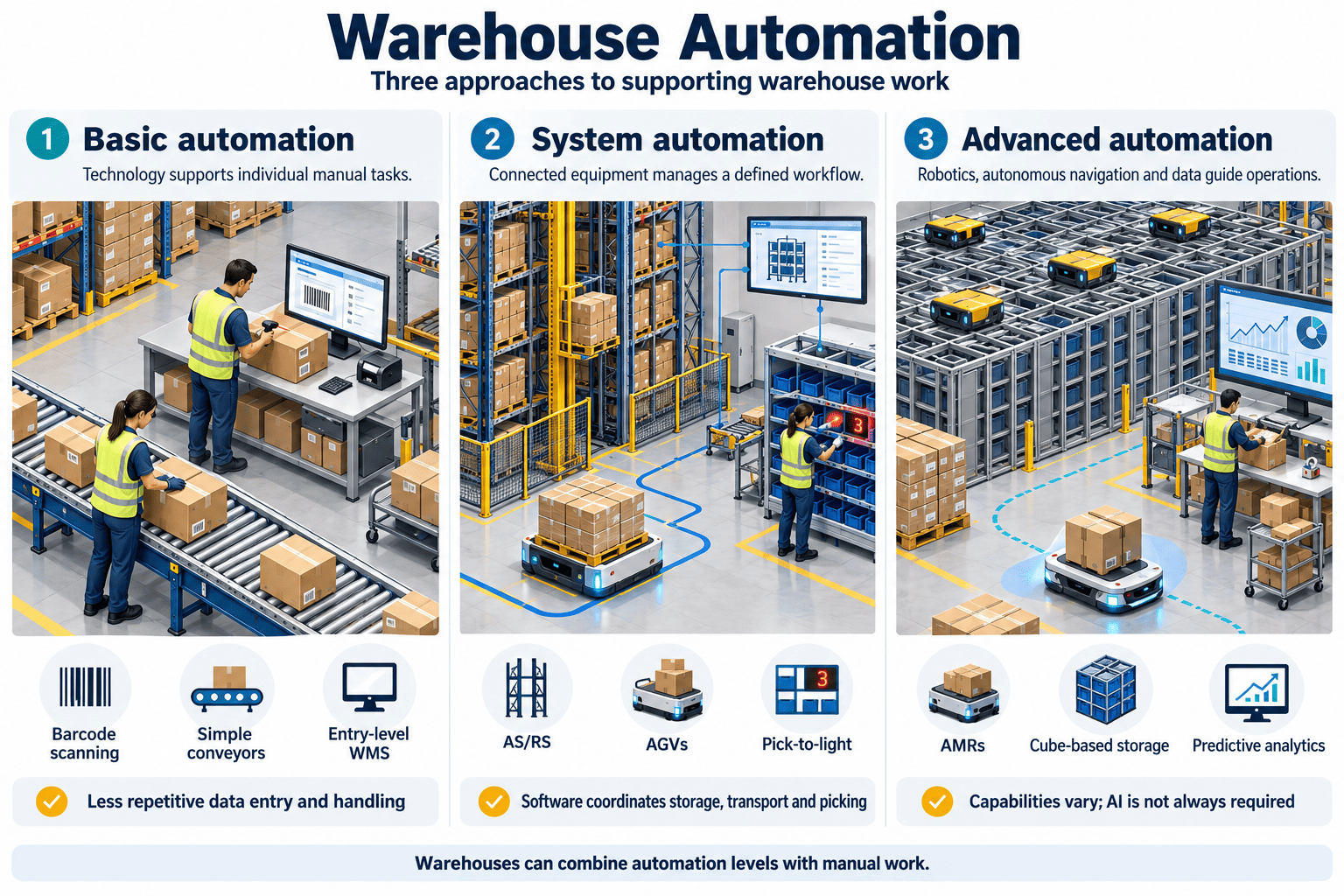
Basic automation
Basic automation supports tasks that remain largely manual. Barcode scanners, simple conveyors and entry-level warehouse management software can reduce repetitive data entry and unnecessary handling.
For example, scanning a stock movement can replace a handwritten record, while a conveyor can transfer cartons between workstations. Staff still perform much of the work, but the supporting technology makes individual steps easier to manage.
System automation
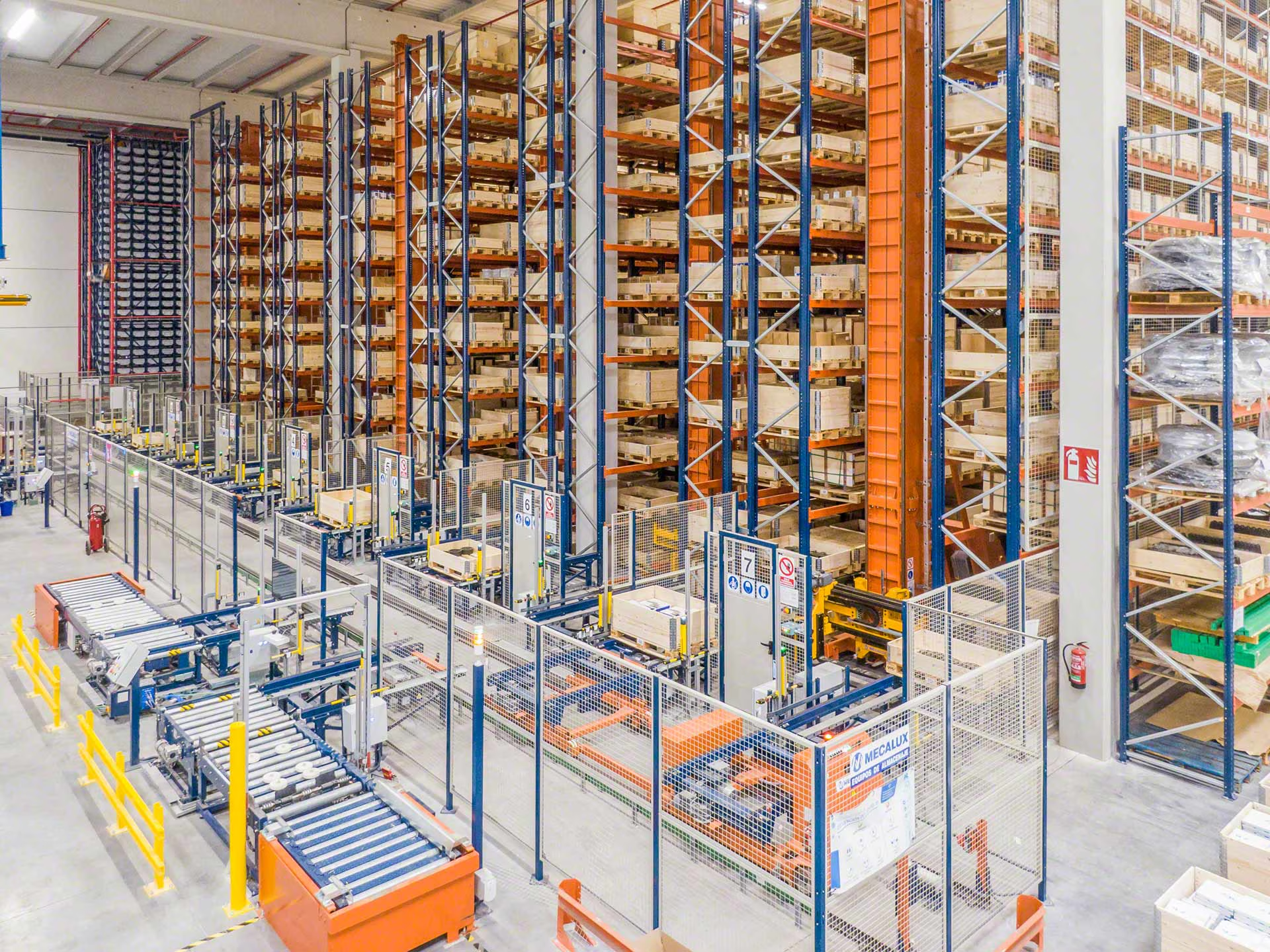
System automation connects equipment and software to manage a defined workflow. Examples include automated storage and retrieval systems, automated guided vehicles and pick-to-light installations.
A pick-to-light system uses illuminated indicators to direct an operator to the required location and quantity. Storage and transport equipment can also receive instructions from connected software, reducing the need for workers to organise each movement separately.
Advanced automation
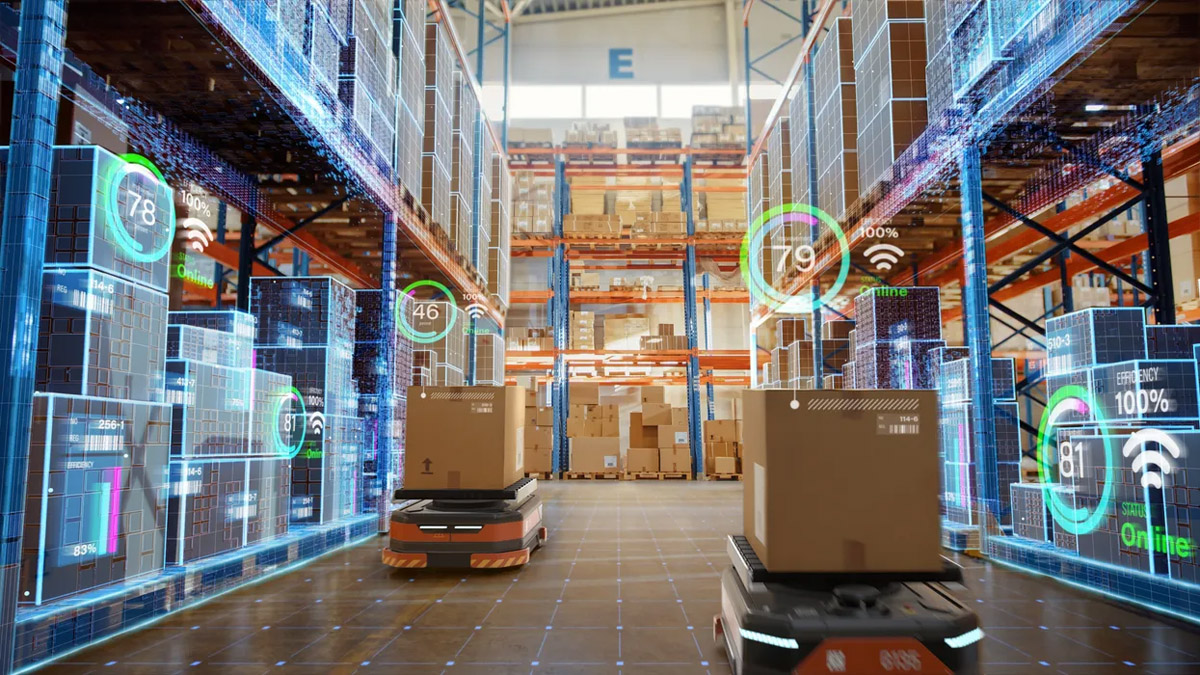
Advanced automation combines more sophisticated robotics, autonomous navigation and data-driven coordination. Examples include autonomous mobile robots, cube-based storage and predictive analytics used to support operational decisions.
These technologies have different capabilities; they do not all require artificial intelligence or machine learning. A warehouse may combine advanced storage equipment with manual packing, barcode scanning and conventional conveyors.
Core Automated Warehouse Technologies
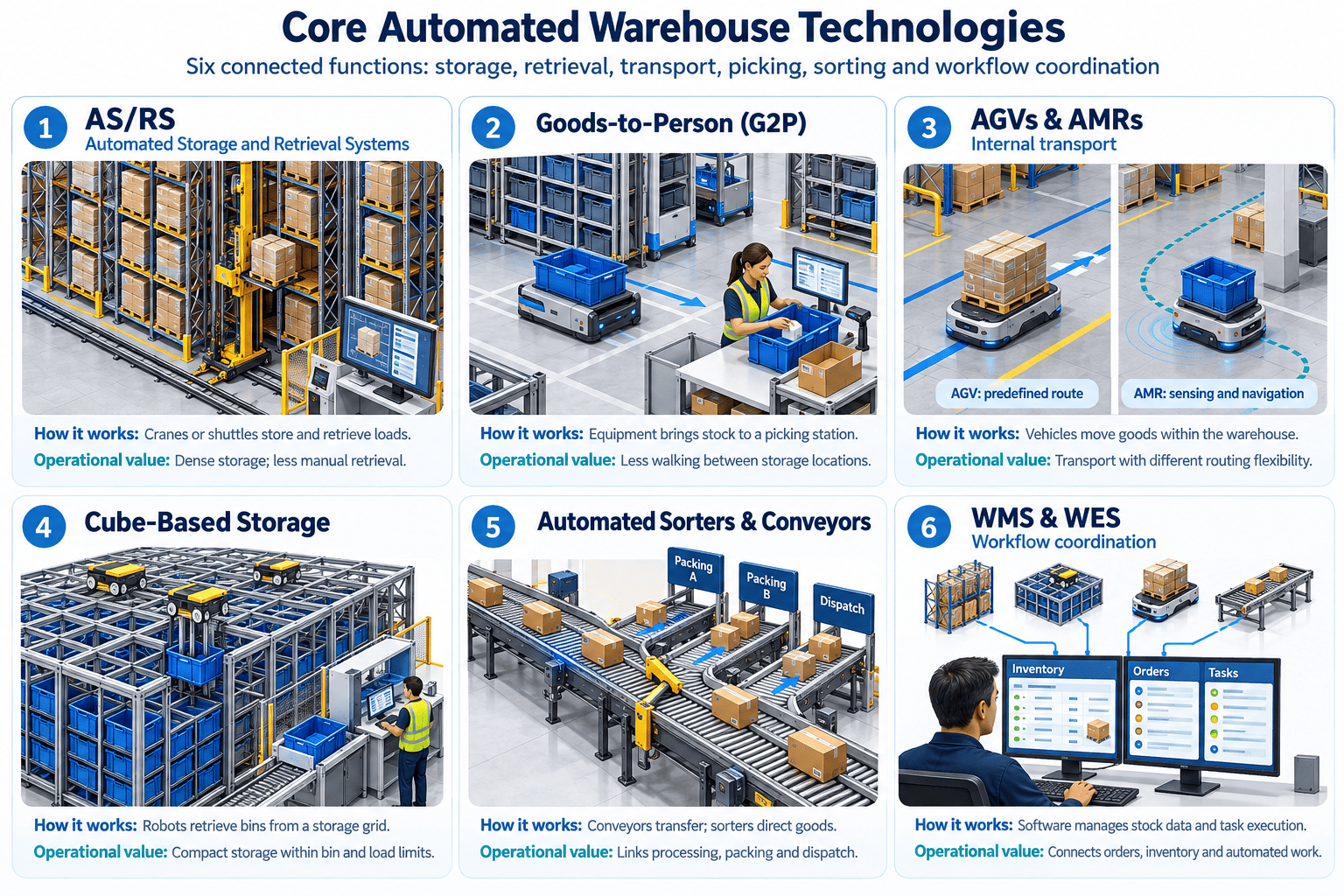
Warehouse automation technologies perform six connected functions: storage, retrieval, transport, picking, sorting and workflow coordination. Understanding each role helps you assess where a system fits within your operation and which supporting processes it needs.
| Technology | How It Works | Operational Relevance |
| Automated Storage and Retrieval Systems (AS/RS) | Computer-controlled equipment, such as cranes or shuttles, places loads into storage and retrieves them when requested. | Supports dense storage and reduces manual retrieval tasks. |
| Goods-to-Person (G2P) Systems | Equipment brings stock to a workstation where an operator picks the required items. | Reduces travel between storage locations during picking. |
| Automated Guided Vehicles (AGVs) and Autonomous Mobile Robots (AMRs) | AGVs generally follow predefined routes; AMRs use onboard sensing and navigation to plan movement within a mapped environment. | Automates internal transport, with different levels of routing flexibility. |
| Cube-Based Storage | Robots travel above a grid of stacked bins and retrieve containers for delivery to access stations. | Provides compact storage for inventory compatible with the bin dimensions and handling limits. |
| Automated Sorters and Conveyors | Conveyors transfer goods between locations, while sorters direct them towards designated destinations. | Connects processing stages and routes goods towards packing or dispatch. |
| Warehouse Management Systems (WMS) and Warehouse Execution Systems (WES) | Software manages inventory information and coordinates the release and execution of operational tasks. | Links orders, stock records and warehouse activities with automated workflows. |
CONSULTING ON AUTOMATED WAREHOUSE SYSTEMS
Call: 0485 083 868 Get In Touch
Key Benefits of Automated Warehouse Systems
Automated warehouse systems can improve throughput, labour utilisation, storage efficiency and accuracy when they match the inventory and processes they support. These benefits should be assessed against your current performance rather than assumed from the equipment specification alone.
Higher throughput
Reducing manual travel and coordinating equipment movements can help more orders progress through the warehouse within a given period. The result depends on the capacity of each connected stage.
If picking accelerates but packing remains constrained, completed orders may still queue before dispatch. Consider peak demand and the flow between workstations when assessing proposed handling rates.
Better labour utilisation
Automation can reduce time spent transporting goods, walking between locations and recording repetitive transactions. Staff can then focus on activities such as replenishment, quality checks and resolving exceptions.
You should also account for the work needed to support the equipment. Operator training, supervision and maintenance remain part of the operational plan.
Improved space utilisation
Dense storage arrangements and greater use of available height can increase usable storage capacity. The appropriate configuration depends on product dimensions, load characteristics, access requirements and building constraints.
For example, a bin-based system should be assessed against the stock that can actually fit within it. Oversized or otherwise incompatible items will still need a suitable storage arrangement.
Greater inventory and order accuracy
Barcode scanning, radio frequency identification (RFID) and vision-based checks can help verify stock movements and picking activity. These controls reduce reliance on manual identification and recording.
Their effectiveness still depends on accurate product data, readable identifiers and consistent procedures. Automation can apply an instruction reliably, but an incorrect stock record or product label may still lead to an error.
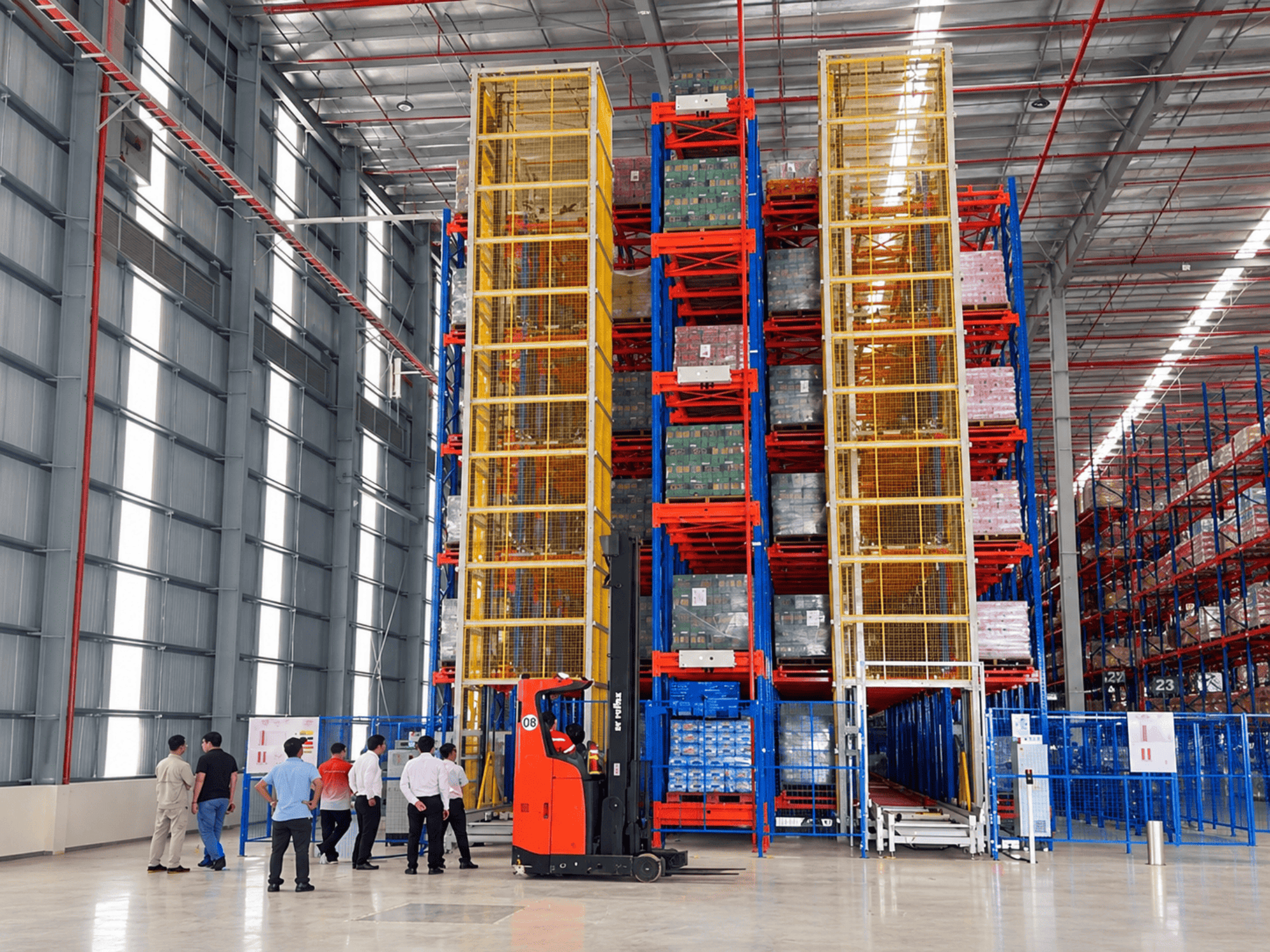
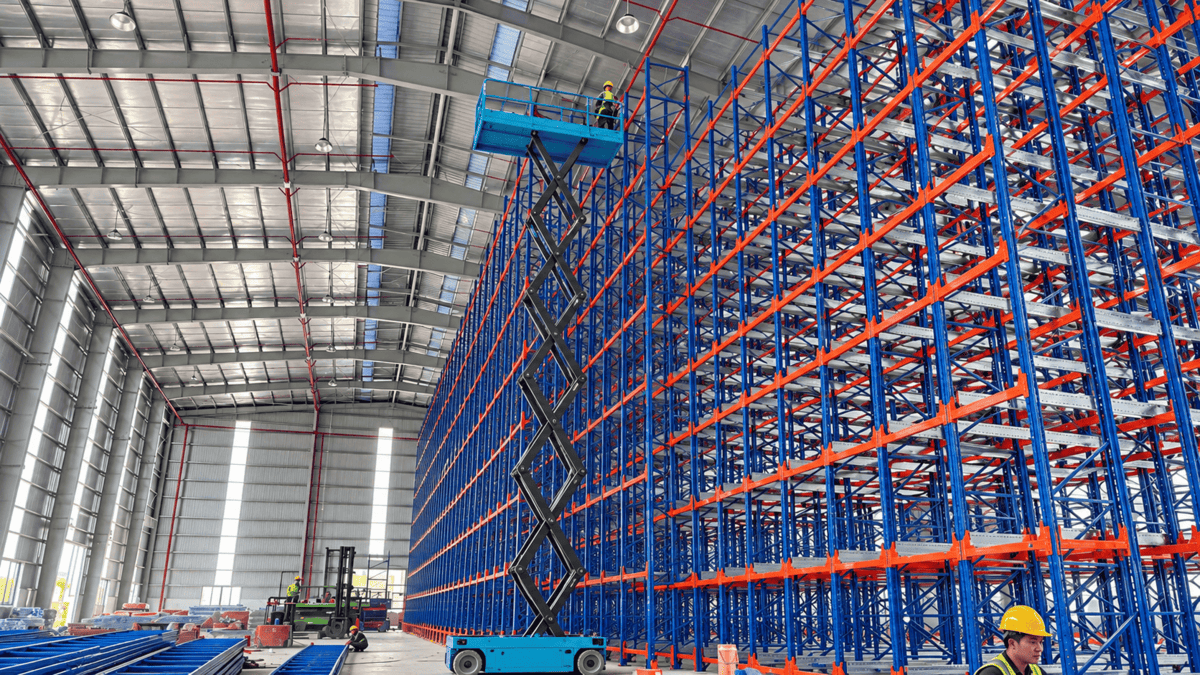
 Warehouse automation maximizes warehouse space with high-density, AI-optimized storage.
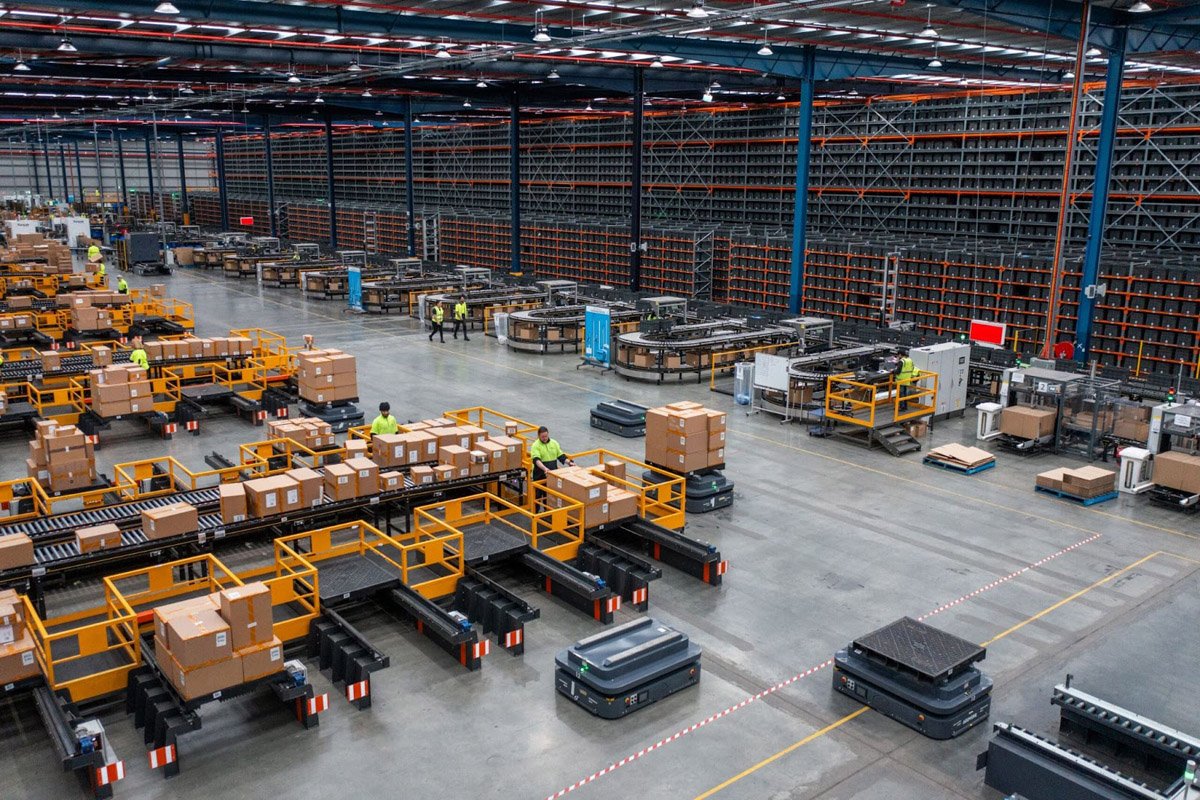
Automated Warehouse Projects by Vinatech
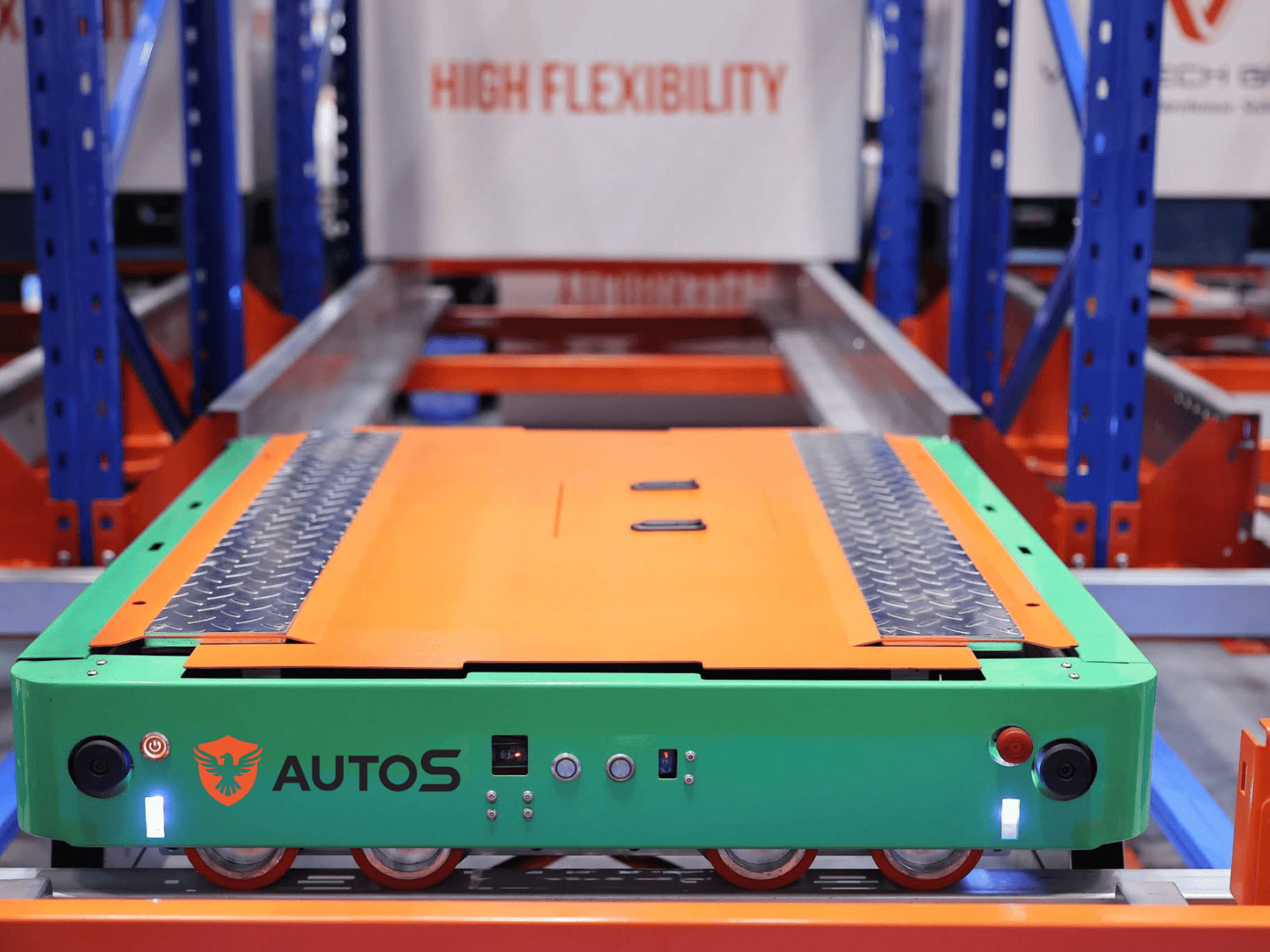
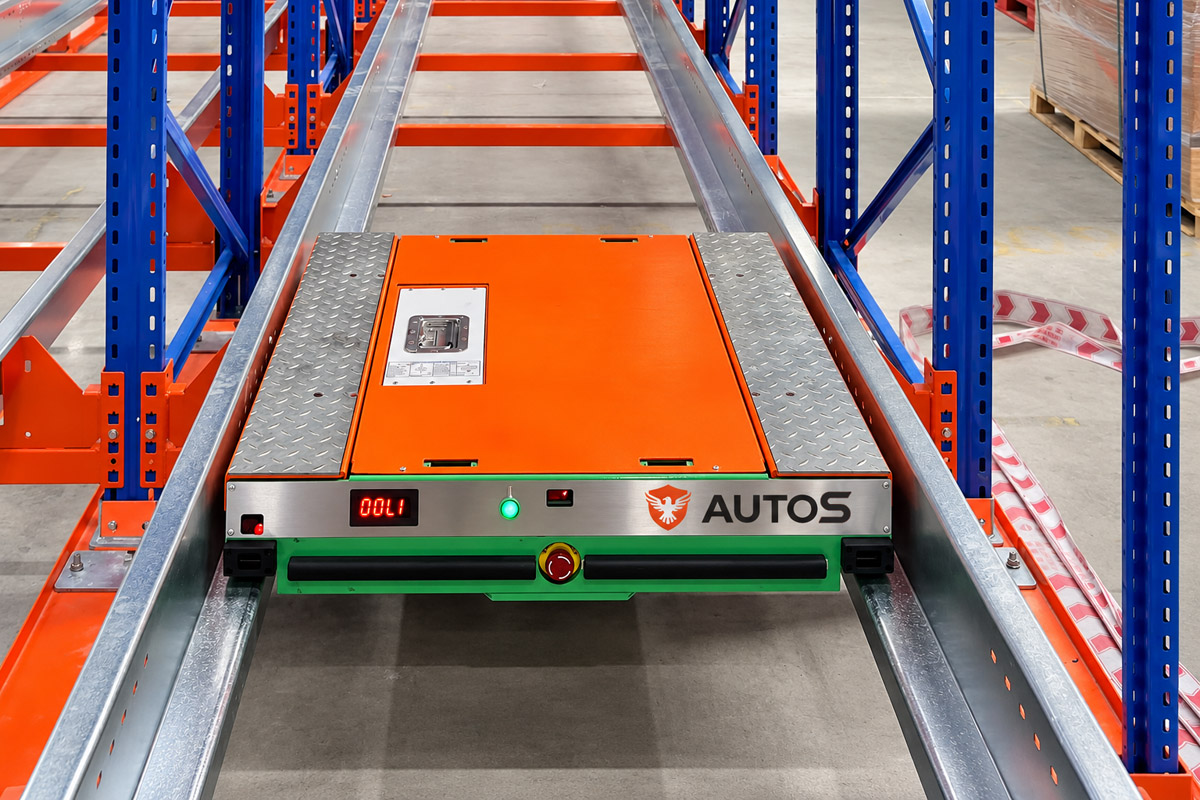
Vinatech Group has implemented automated warehouse solutions across different industries, demonstrating how 4-way shuttle systems can maximise storage capacity, optimise warehouse space and reduce manual pallet handling.
Case Study 1 – 4-Way Shuttle System for Retail Distribution
For a large-scale retail distribution centre, Vinatech implemented a 4-Way Shuttle Racking System accommodating 46,500 pallet positions within a 13,950 m² warehouse. The system maximises the facility’s 22-metre height across 8 storage levels, achieving approximately 3,333 pallet positions per 1,000 m².
By reducing conventional forklift aisles and automating internal pallet movements, the solution supports high-density storage, more efficient pallet handling and greater flexibility during seasonal demand peaks.
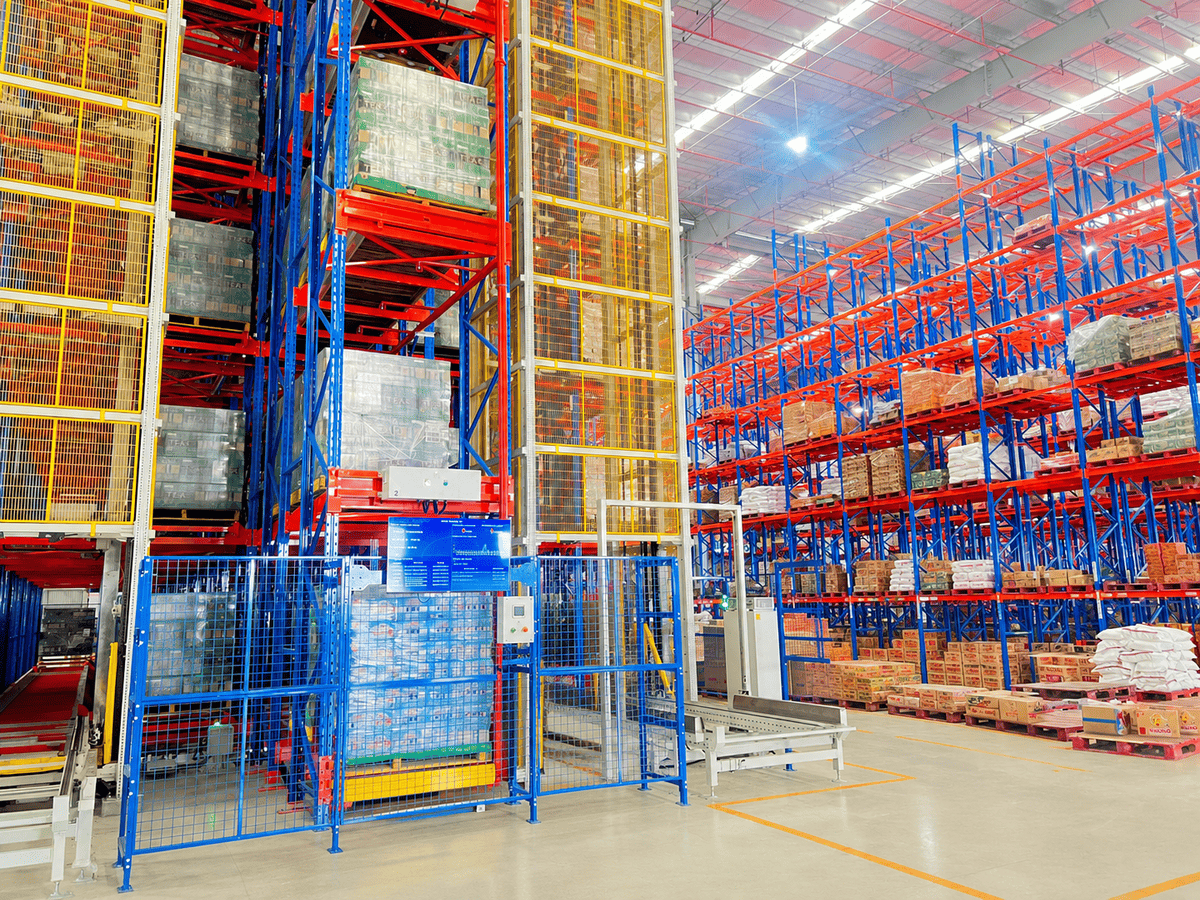
View Retail Distribution Case Study
Case Study 2 – Automated Pharmaceutical Warehouse with 4-Way Shuttle System
Vinatech’s automated pharmaceutical warehouse project showcases the application of a 4-Way Shuttle System for high-density pharmaceutical storage.
Using robotic shuttles capable of moving in four horizontal directions, the solution is designed to optimise storage space, minimise manual pallet handling and support efficient inventory movement. This technology is particularly relevant to pharmaceutical warehouses requiring precise stock control, batch traceability and expiry-date management.
View Pharmaceutical Warehouse Case Study
In summary, warehouse automation ranges from simple worker-assistance tools to integrated storage, transport and fulfilment systems. The right combination depends on your stock, order demand and existing workflow. Start with the bottleneck you need to resolve, then assess equipment and software together. Compare the expected gains in capacity, throughput and accuracy with the resources needed to operate the solution.
FAQ about Automated Warehouse
What is an Automated Warehouse?
An Automated Warehouse is a facility that uses technologies such as robotics, AS/RS systems, conveyors, and warehouse management software to automate storage, picking, packing, and inventory handling processes.
How does an Automated Warehouse work?
An Automated Warehouse integrates intelligent software with automated equipment to manage inventory movement, optimise storage locations, and streamline order fulfilment with minimal manual intervention.
What are the benefits of warehouse automation?
Warehouse automation improves productivity, increases inventory accuracy, reduces labour costs, accelerates order fulfilment, and maximises storage space utilisation.
What technologies are used in an Automated Warehouse?
Common technologies include AS/RS systems, robotic shuttles, AMRs, conveyors, barcode scanners, RFID systems, and warehouse management software (WMS).
What is the difference between a traditional warehouse and an Automated Warehouse?
Traditional warehouses rely heavily on manual labour, while automated warehouses use technology and robotics to improve efficiency, accuracy, and operational performance.
How can warehouse automation improve operational efficiency?
Warehouse automation reduces manual handling, speeds up inventory movement, minimises errors, and optimises workflows to improve overall warehouse performance.
What industries commonly use Automated Warehouse systems?
Automated warehouses are widely used in logistics, e-commerce, manufacturing, food and beverage, pharmaceutical, retail, and cold storage industries.
Is an Automated Warehouse suitable for small and medium-sized businesses?
Yes, scalable automation solutions are available for businesses of all sizes, allowing companies to improve efficiency while controlling investment costs.
What is an AS/RS system in warehouse automation?
An AS/RS (Automated Storage and Retrieval System) is a computer-controlled solution that automatically stores and retrieves pallets, cartons, or bins to improve storage density and inventory accuracy.
How do Autonomous Mobile Robots (AMRs) support warehouse operations?
AMRs transport inventory throughout the warehouse autonomously, reducing travel time, improving productivity, and supporting goods-to-person picking operations.

William Harris is the Production Director at Vinatech Australia, with more than 10 years of experience in industrial warehouse racking, manufacturing, warehouse optimisation and smart storage technologies. His professional background combines engineering, production management and warehouse operations, enabling him to oversee the development of storage systems designed for safety, durability, efficiency and long-term operational performance.