



For Australian warehouse operators, the main consideration is whether the system suits your inventory profile. If you hold many pallets of the same product and need more storage within your existing footprint, shuttle racking is worth assessing.
1. Core shuttle racking configuration types
The two main shuttle racking configurations are two-way systems for movement within individual channels and four-way systems for movement along channels and connecting aisles. Vinatech’s range covers both semi-automated handling and more extensively automated warehouse operations.
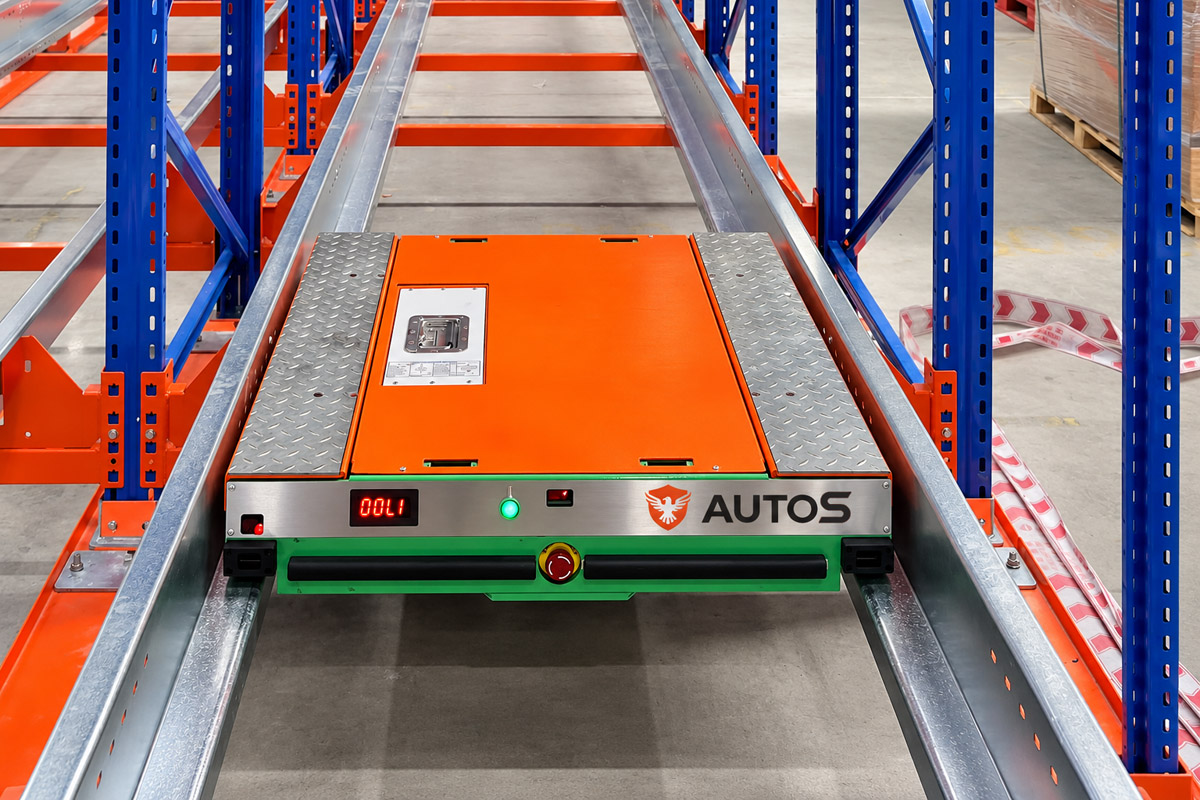
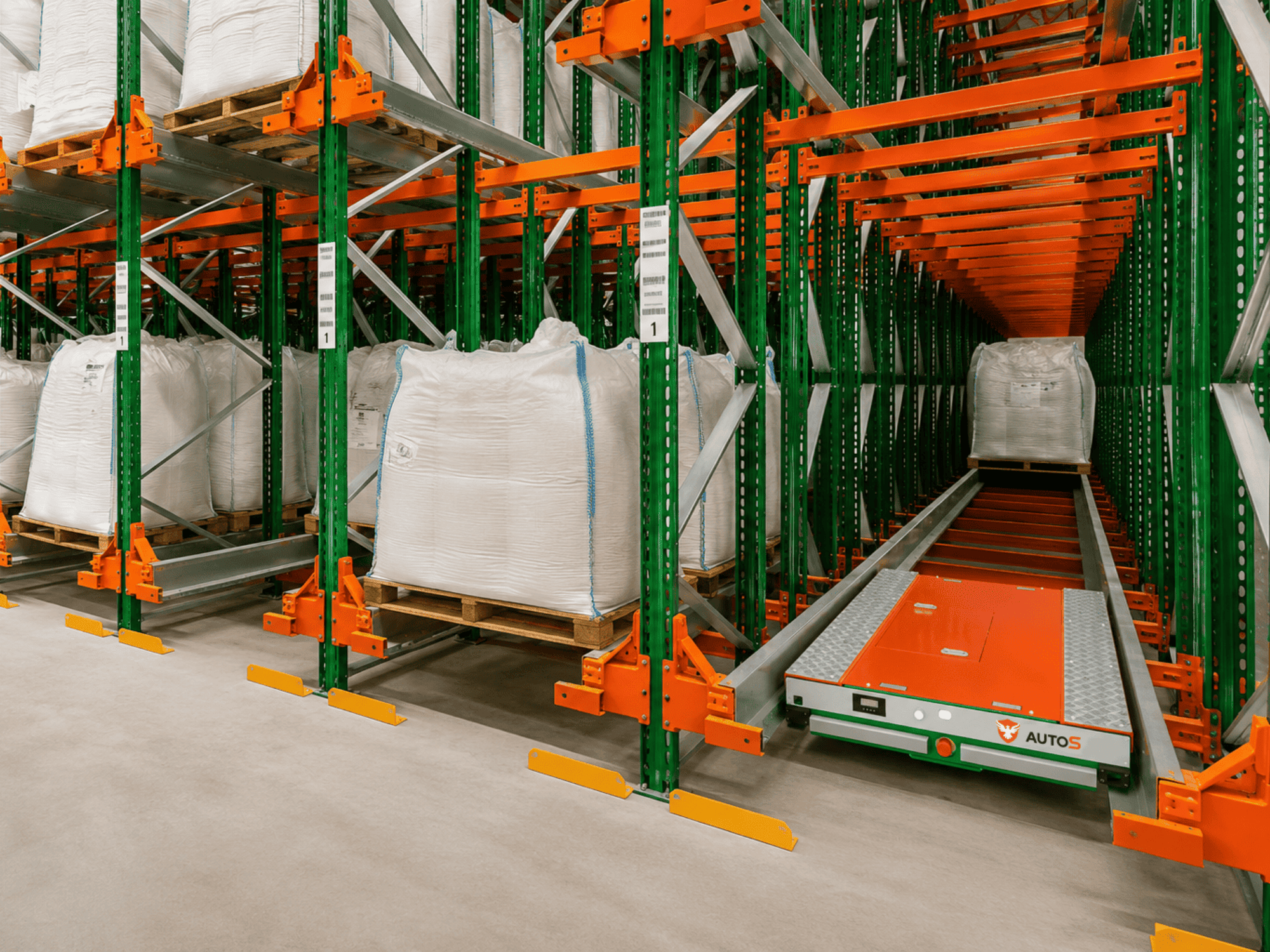
- 2-Way Shuttle System: Vinatech’s two-way shuttle travels forwards and backwards within a storage channel. A forklift transfers the shuttle between channels and storage levels when required, while an operator uses a remote controller to direct its movements. This configuration suits operations storing multiple pallets of the same stock keeping unit (SKU), meaning a distinct product or inventory item. You should consider how frequently the shuttle will need relocating, as these transfers contribute to handling time.
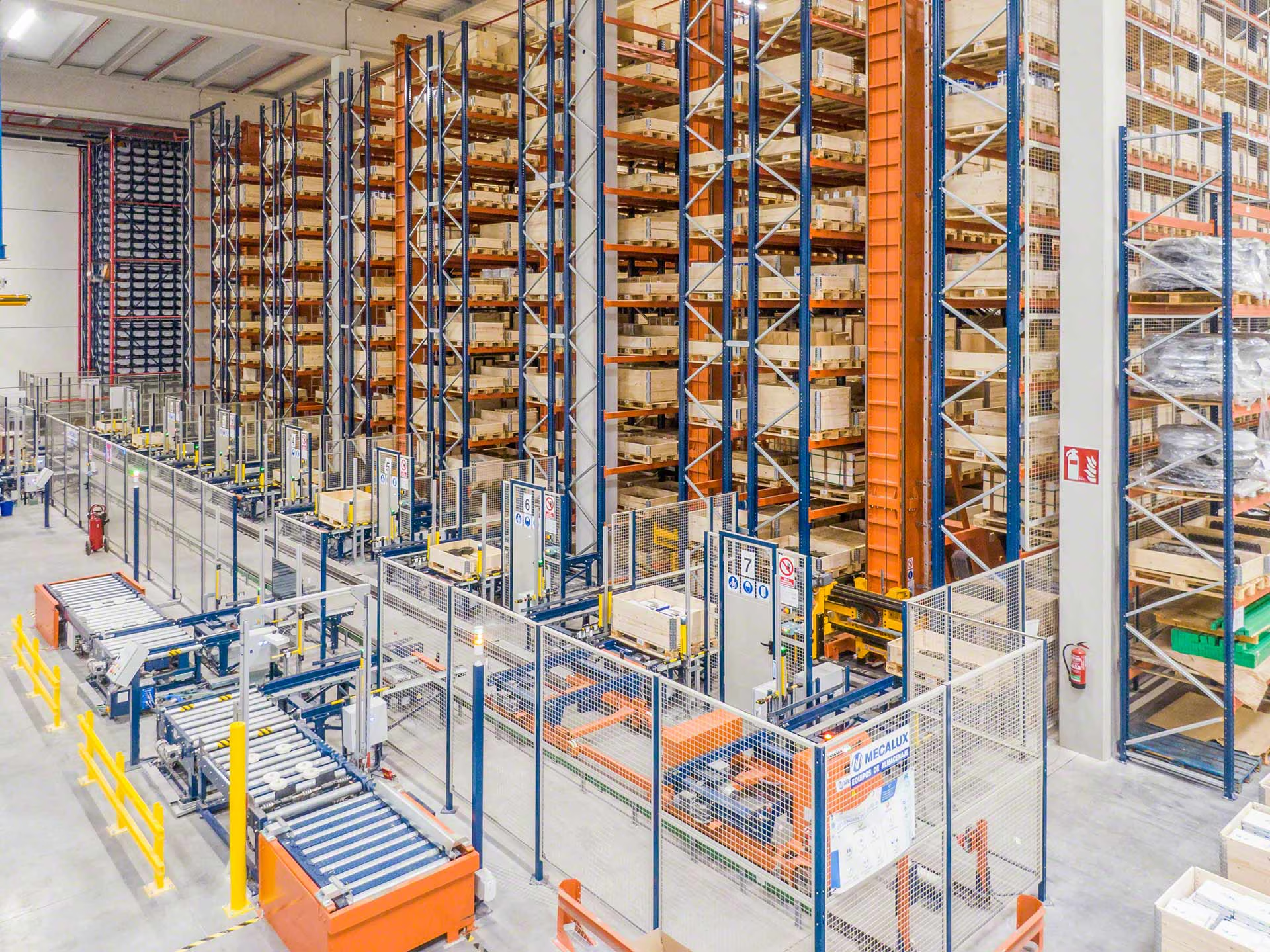
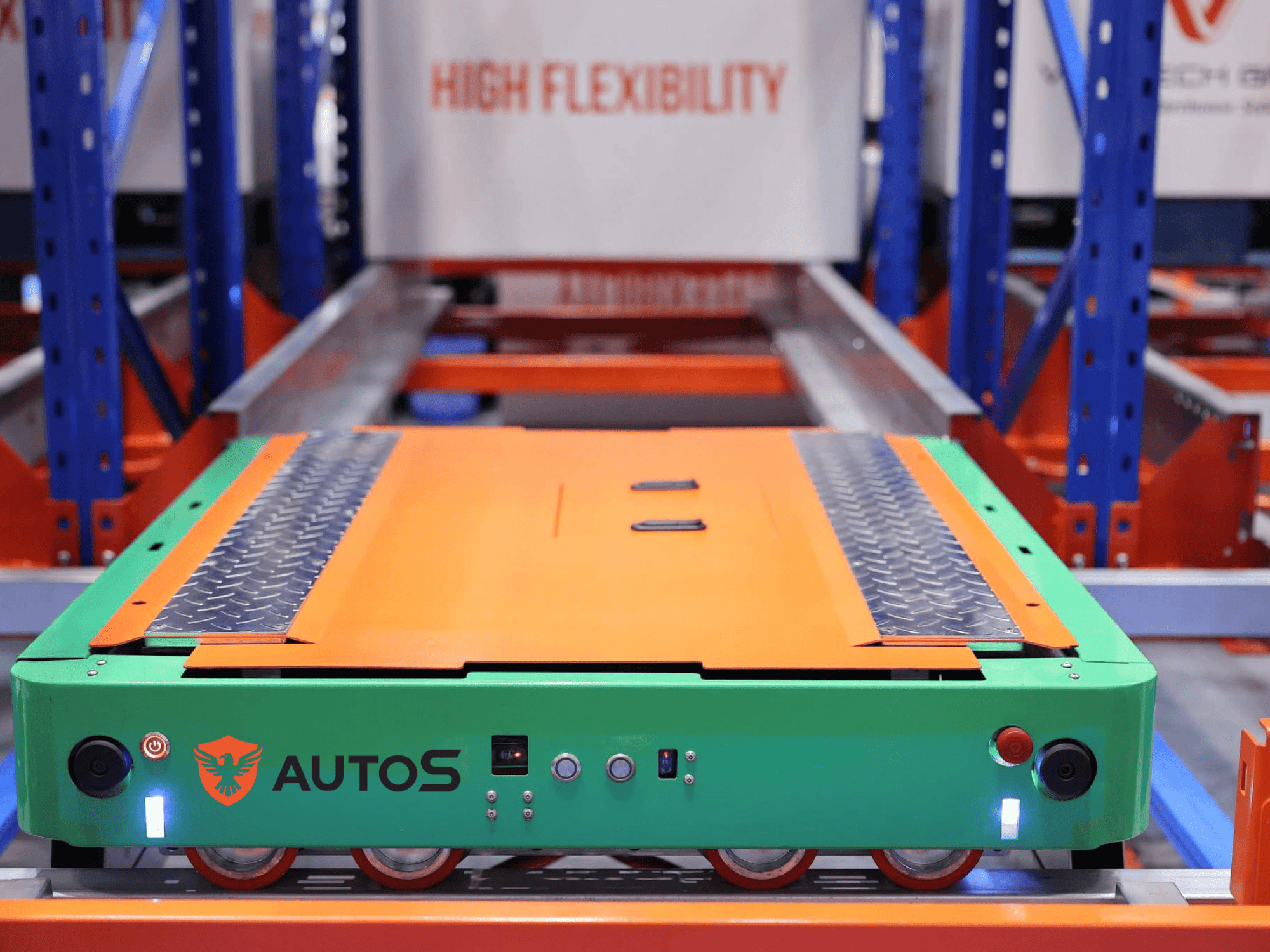
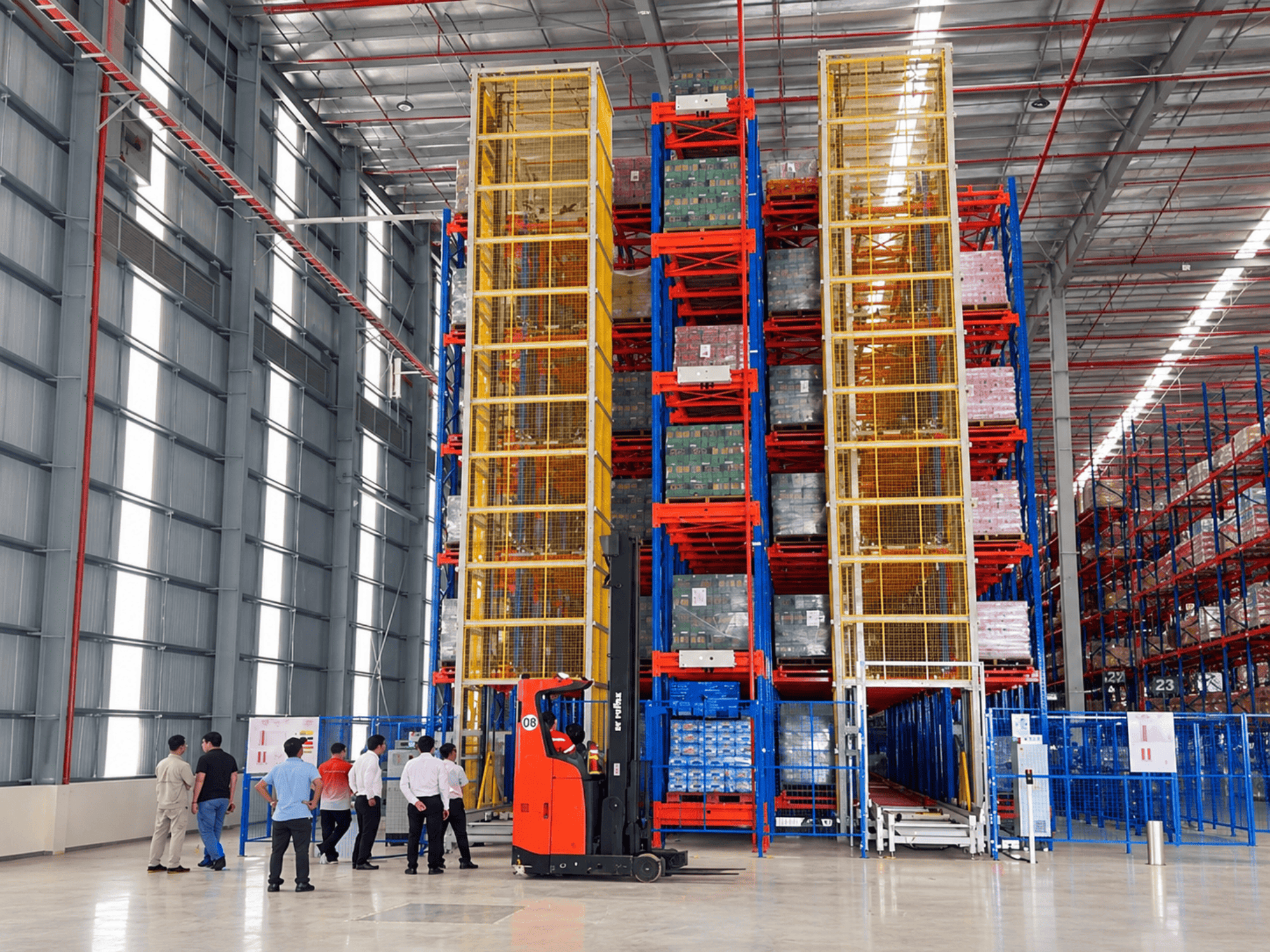
- 4-Way Shuttle System: Vinatech’s four-way shuttle moves forwards, backwards and sideways, allowing it to change lanes without forklift assistance. Vertical lifts transfer it between storage levels. The system integrates with warehouse management software (WMS), which manages inventory information, and warehouse control software (WCS), which coordinates equipment movements. Its configuration includes conveyors, lifts and charging equipment to support automated pallet handling.
Your choice should reflect the complete workflow. A two-way system may suit a warehouse retaining forklift handling at storage channels, while a four-way installation provides greater scope to automate pallet movements across the storage structure.
CONSULTATION ON SHUTTLE RACKING SYSTEMS FOR YOUR WAREHOUSE
Call: 0485 083 868 Get In Touch
2. How Shuttle Pallet Racking Works
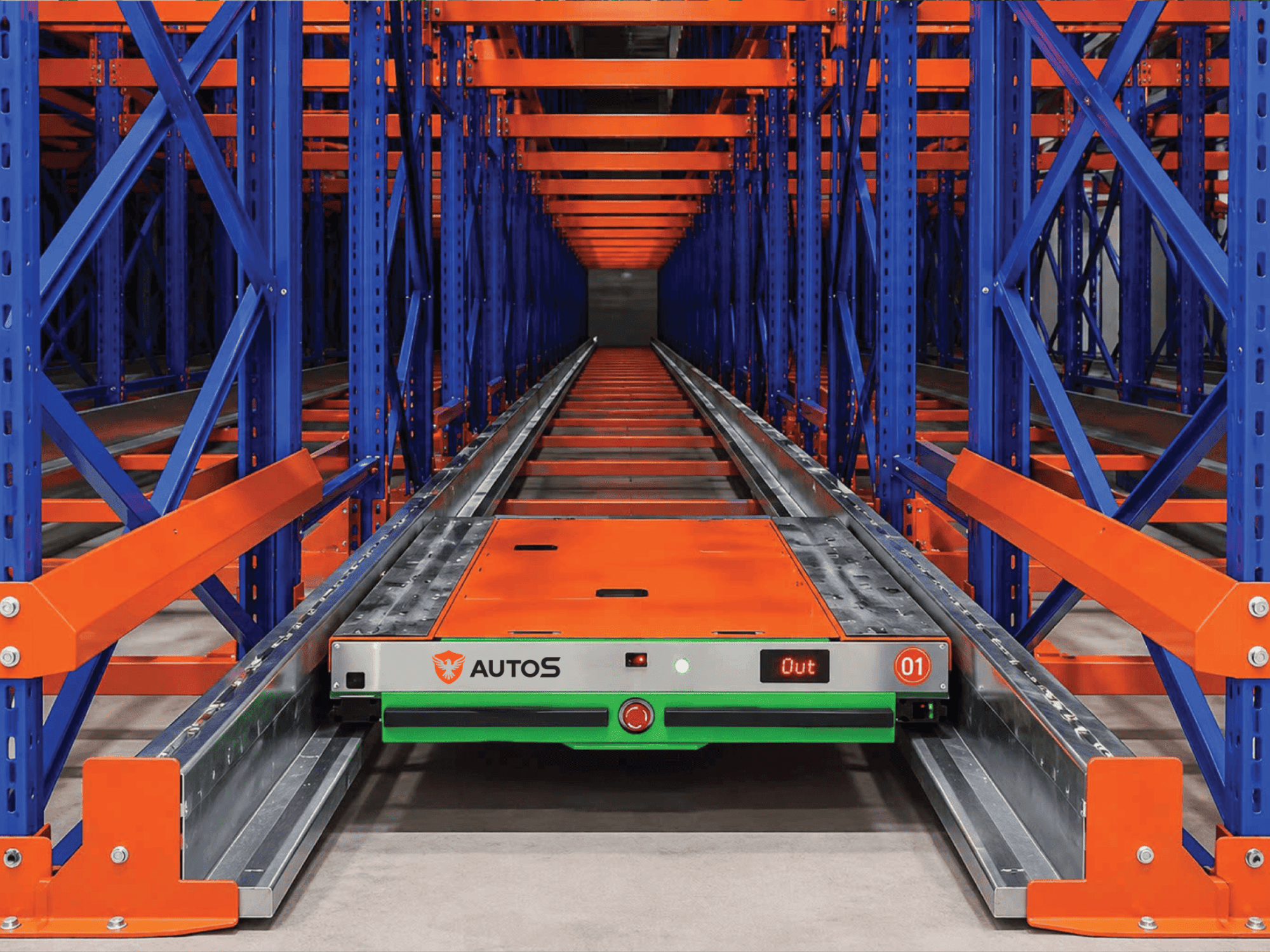
Shuttle pallet racking works by transferring pallet movement inside the rack to a powered shuttle, with the loading process determined by the system’s level of automation. In Vinatech’s two-way configuration, forklifts handle pallets at channel entrances; the four-way configuration uses integrated conveyors and lifts to support automated transfers.
- Loading: For a two-way system, a forklift places the shuttle into the selected channel and positions a pallet on the support rails above it. In a four-way installation, pallets enter through the conveyor arrangement before being transferred towards their assigned storage locations.
- Shuttle Transit: The shuttle raises the pallet from the support rails, carries it along the channel and lowers it into position. During retrieval, it collects the pallet and transports it towards the collection point. Vinatech specifies a lifting travel of 45 mm for both shuttle types.
- Inventory Modes: Vinatech’s two-way and four-way systems support FIFO (first in, first out) and LIFO (last in, first out) operation. The appropriate arrangement depends on your storage layout, product allocation and stock rotation requirements.
| Inventory mode | Operating principle | What to consider |
| FIFO | Earlier stock is retrieved before later stock | In a conventional two-way layout, loading and retrieval take place at opposite ends of the channel |
| LIFO | The most recently stored pallet is retrieved first | In a conventional two-way layout, pallets enter and leave from the same end |
If you handle products with expiry dates or batch requirements, establish the required retrieval sequence before designing the storage layout. FIFO capability needs to work alongside suitable stock allocation and operating procedures.
3. Shuttle Racking System Specifications & Performance
Vinatech’s shuttle specifications cover pallet capacity, travel speed, battery endurance and operating temperature, all of which affect how you plan warehouse operations. Compare these figures against your actual loads, shift patterns and peak receiving and dispatch demand.
The following table presents Vinatech’s published specifications for its two-way and four-way shuttle robots.
| Specification | Vinatech Two-Way Pallet Shuttle | Vinatech Four-Way Pallet Shuttle |
| Pallet load range | 500–1,500 kg per pallet | 500–1,500 kg per pallet |
| Travel speed | 1 m/s | 1.2 m/s loaded; 1.5 m/s unloaded |
| Lifting motor power | 1,000 W | 1,500 W |
| Travelling motor power | 1,000 W | 1,500 W |
| Battery capacity | 42 Ah | 42 Ah |
| Battery voltage | 48 V | 48 V |
| Charging time | 3.5 hours | 3 hours |
| Continuous operation in a normal environment | 7–8 hours | 7–8 hours |
| Continuous operation in a cold environment | 5–6 hours | 5–6 hours |
| Ambient warehouse operating temperature | 5°C to 45°C | 5°C to 45°C |
| Cold-storage operating temperature | −25°C | −25°C |
| Lifting travel | 45 mm | 45 mm |
4. Advantages of Shuttle Racking System
The main advantages of shuttle racking are higher storage density, reduced forklift travel within storage channels and more compact temperature-controlled storage. The practical value of these benefits depends on how well the configuration matches your inventory and daily movements.
- Space Maximisation: Deep storage channels reduce the aisle space required between pallet positions, allowing more of the available footprint to accommodate stock. Vinatech’s two-way system supports compact channel-based storage, while its four-way configuration allows automated movement between lanes. Consider usable capacity as well as installed capacity: channels need suitable stock allocation to remain productively occupied as inventory levels change.
- Enhanced Safety: Keeping forklifts outside deep storage channels reduces opportunities for contact with the racking during pallet movements. In Vinatech’s two-way system, forklifts work at channel entrances and relocate the shuttle when needed. The four-way configuration further automates internal transfers through conveyors and lifts. Your layout should still provide suitable traffic routes, controlled equipment access and practical maintenance arrangements.
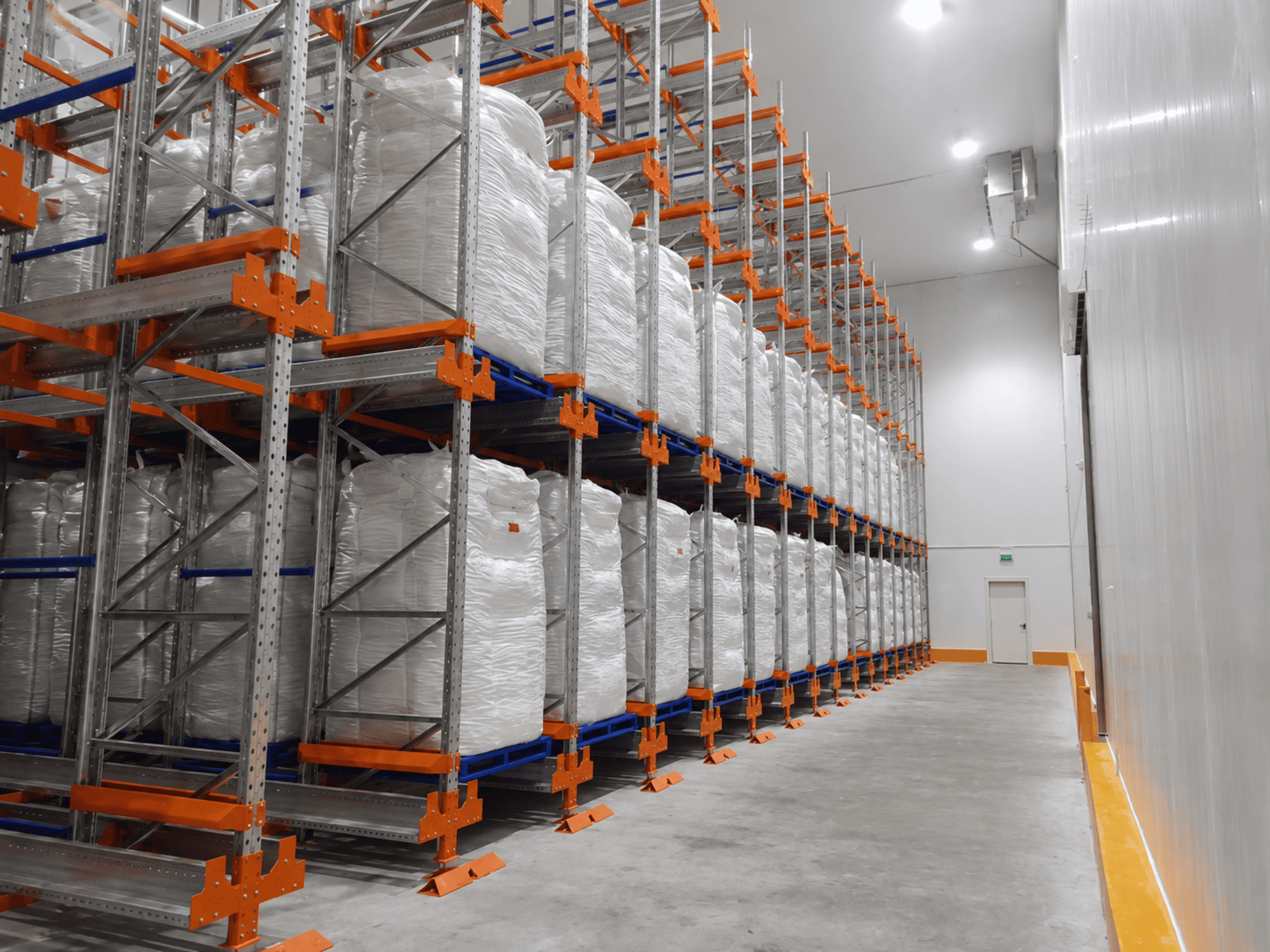
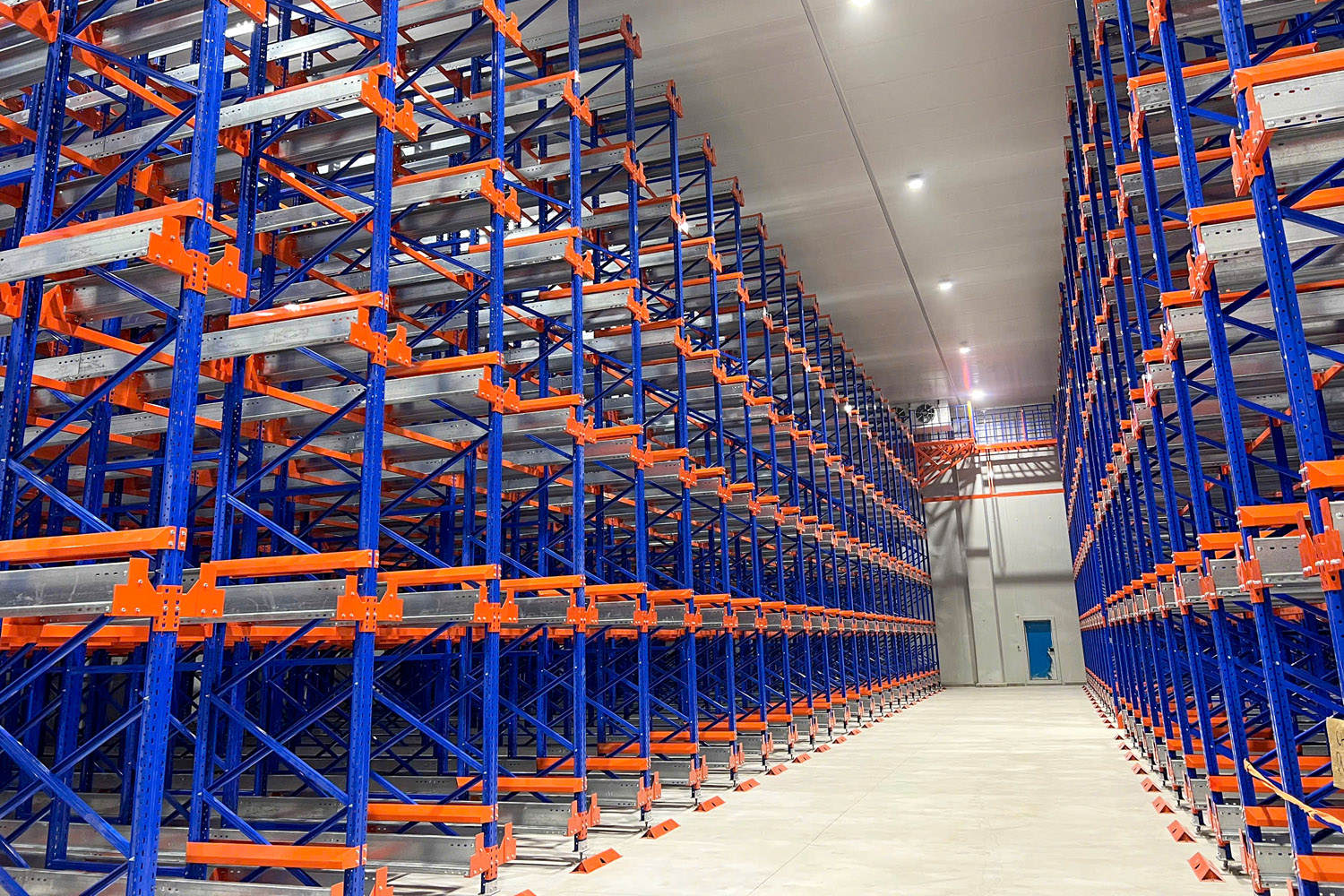
- Cold Storage Efficiency: Compact pallet storage helps you use refrigerated space more effectively, while shuttle movement reduces the need for forklifts to travel inside storage channels. Vinatech lists cold-storage operation at −25°C for both configurations, with continuous runtime of 5–6 hours in cold environments. You should account for charging requirements and required storage capacity when comparing layouts. Any energy savings will depend on the facility’s refrigeration and building design.
Applications of Shuttle Racking Systems
Shuttle racking systems suit warehouses that need compact pallet storage, repeated stock movements and controlled inventory rotation. Common applications include cold storage, food and beverage distribution, retail replenishment, manufacturing and selected pharmaceutical or chemical storage operations.
- Cold Storage and Cold Chains: Shuttle pallet racking helps maximise the use of refrigerated space by reducing the aisles required between storage channels. This makes it useful where refrigerated capacity is expensive to build and operate. Vinatech specifies cold-storage operation at −25°C for its two-way and four-way shuttles, with 5–6 hours of continuous operation in cold environments. Consider charging arrangements alongside storage capacity when planning your installation.
- Food and Beverage (F&B): Shuttle racking supports the storage and movement of large quantities of palletised food and beverages, particularly where many pallets share the same product or batch. Vinatech’s systems support FIFO (first in, first out) operation when configured appropriately. For products managed by expiry date, your stock allocation and retrieval rules should also prioritise the earliest-expiring batches, as receipt order alone does not guarantee correct expiry rotation.
- Fast-Moving Consumer Goods (FMCG) and Retail: Channel-based shuttle storage is particularly suitable for operations holding many pallets per stock keeping unit (SKU). It can support bulk stockholding and regular replenishment while reducing forklift travel inside the racking. You should assess receiving and dispatch peaks, channel allocation and shuttle availability to keep goods moving efficiently.
- Manufacturing and Industrial Components: Shuttle racking can store palletised raw materials, components and work in progress (WIP)—partly completed goods awaiting the next production stage. Used as a storage buffer between processes, it helps organise material awaiting further processing or packing. Channel allocation and retrieval priorities should match your production schedule so that required materials remain accessible.
- Pharmaceuticals and Chemicals: Shuttle systems can support organised pallet storage where batch identification, controlled access and traceable movements are required. Vinatech’s four-way system integrates with warehouse management software (WMS) and warehouse control software (WCS), supporting inventory visibility and coordinated handling. Suitability depends on the specific goods, storage conditions and handling requirements; the shuttle system itself does not provide temperature control or determine chemical compatibility.
Vinatech Shuttle Pallet Racking Projects
Explore how Vinatech’s 2-way and 4-way shuttle systems support high-density storage across different industries.
Case Study 1 – 4-Way Shuttle System for Retail Distribution
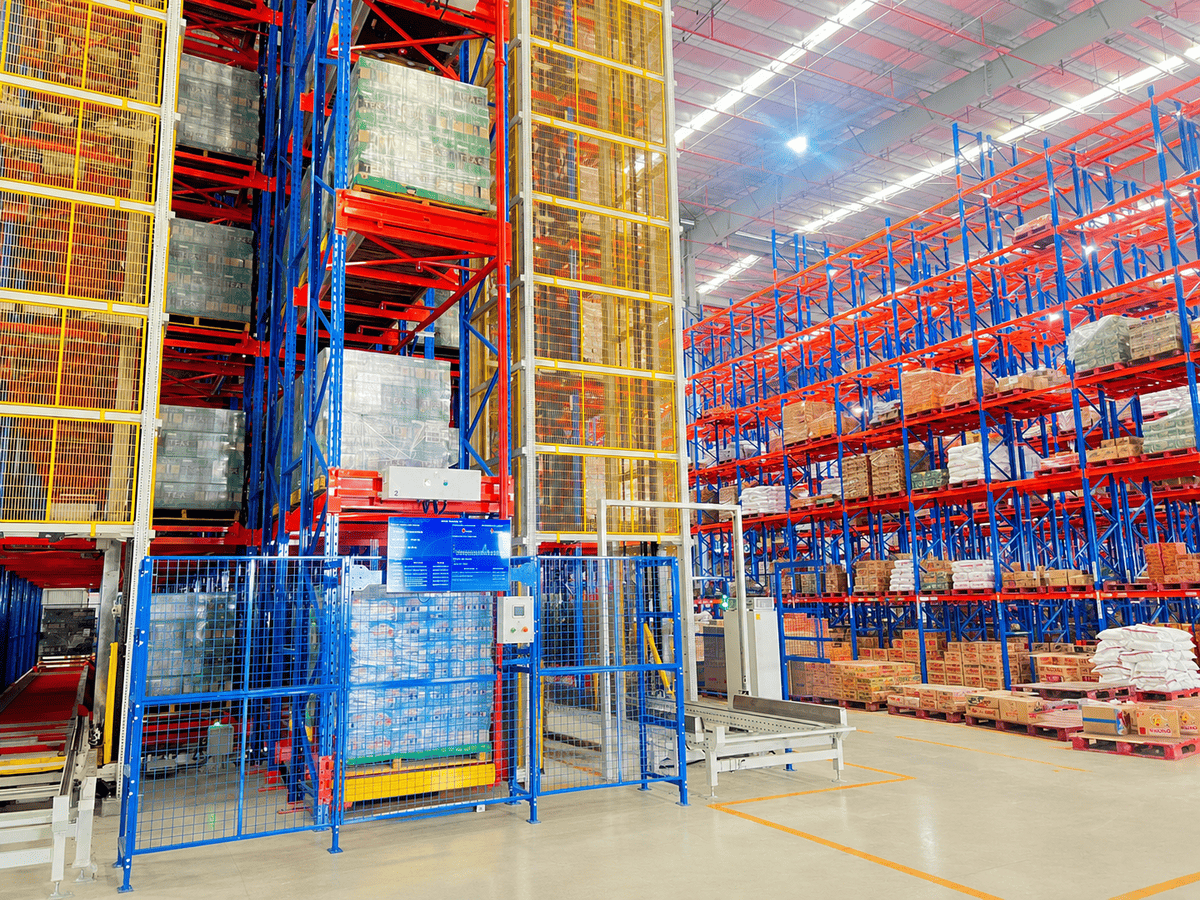
For a large-scale retail distribution centre, Vinatech implemented a 4-Way Shuttle Racking System accommodating 46,500 pallet positions within a 13,950 m² warehouse. The system maximises the facility’s 22-metre height across 8 storage levels, achieving approximately 3,333 pallet positions per 1,000 m².
By reducing conventional forklift aisles and automating internal pallet movements, the solution supports high-density storage, more efficient pallet handling and greater flexibility during seasonal demand peaks.
View Retail Distribution Case Study
High-Volume Food Processing – 2-Way Shuttle Racking
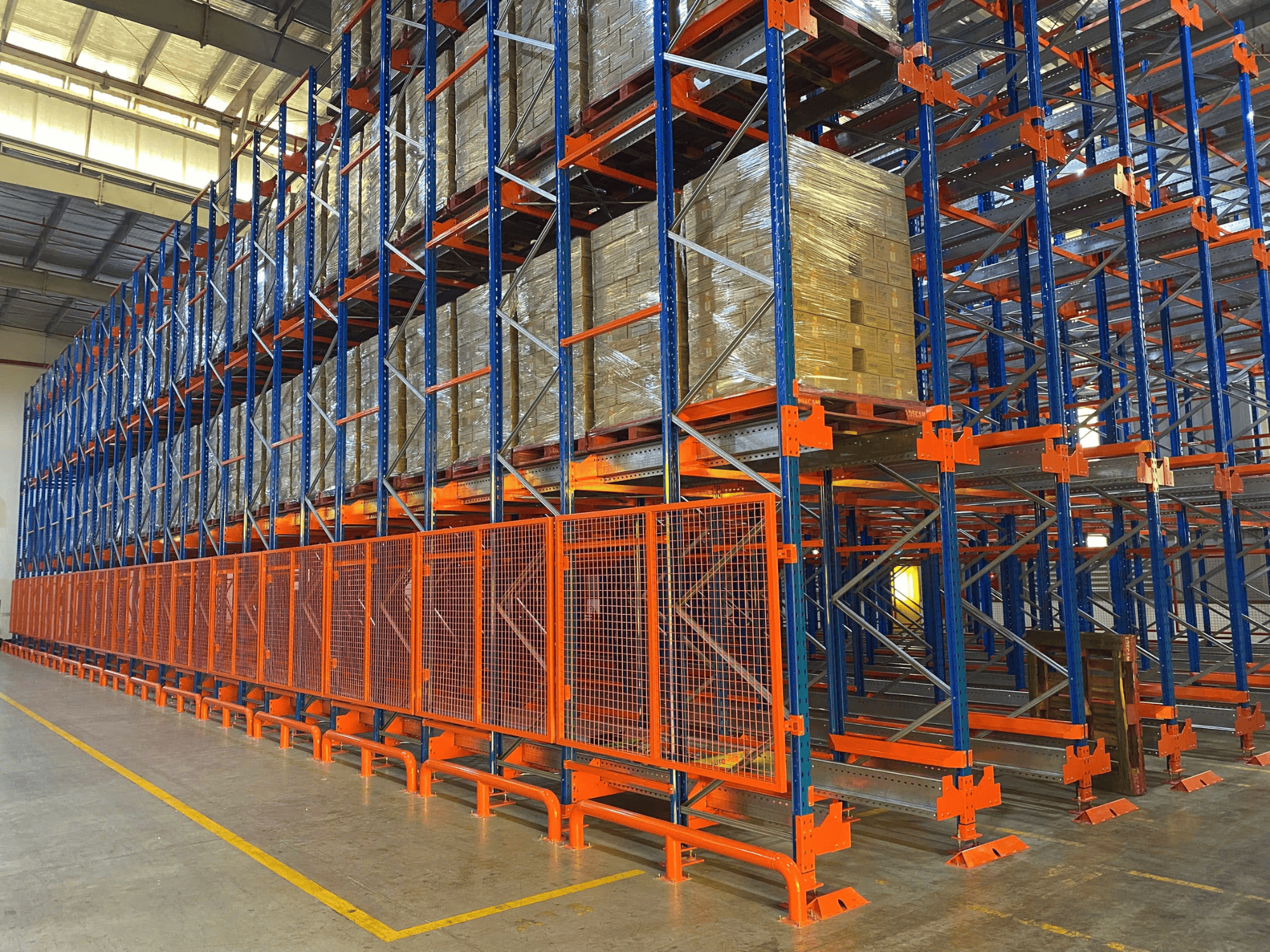
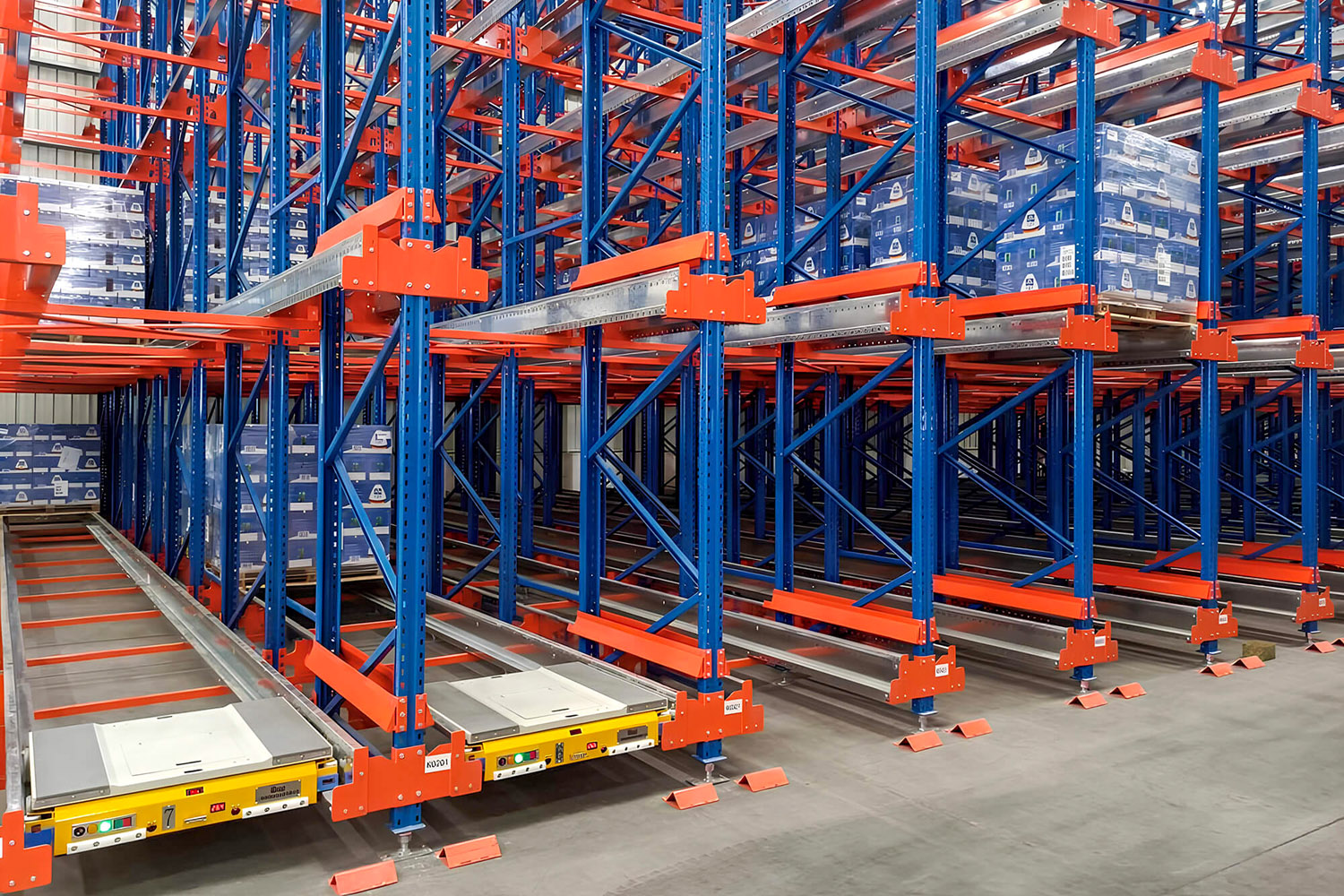
Vinatech implemented a 2-way shuttle system providing approximately 5,200 pallet positions across 4,000 m², with 3 storage levels, 8-metre racking height and lanes up to 18 pallets deep, supporting efficient production and dispatch operations.
This project demonstrates how Vinatech’s shuttle racking solutions can maximise storage density, optimise warehouse space and support efficient operations in high-volume food processing facilities.
Contact Vinatech Australia today for a free, no-obligation consultation. Let us demonstrate how a Shuttle Racking solution can transform your facility. Request a quote and discover your potential return on investment.
- Hotline: 0485 083 868
- Email: info@vinatech.com.au
- Address: 34 Paramount Bvd, Cranbourne West VIC 3977, Australia
In summary, a shuttle racking system can help you increase storage density and organise pallet movements more efficiently. Vinatech’s two-way system supports semi-automated channel handling, while its four-way system enables broader warehouse automation. Choose according to your pallet loads, stock rotation needs, operating temperature and peak handling demand. Discuss your warehouse layout and stock profile with Vinatech to assess a suitable configuration.
FAQ About Shuttle Racking System