



Cost of Production refers to the total expenses a business incurs to create a product or deliver a service. It is a core element of financial management and production operations, helping companies determine pricing, plan budgets, and optimize profitability. Understanding the structure of production costs enables businesses to manage resources more efficiently, improve productivity, and build sustainable competitive strategies.
What is the Cost of Production?
Cost of Production is a crucial component in a company’s manufacturing process. It typically includes the materials and raw inputs consumed during production, along with direct labor expenses. Understanding how to calculate, report, and control production costs enables a business to determine whether its products are cost-efficient and profitable.
Cost of Production is dynamic and influenced by multiple factors throughout business operations. Generally, they increase as order volumes rise and decrease when production scales down. These costs are continuously incurred during the manufacturing process, reflecting the level of resource utilization — including materials, labor, and energy.
Other business expenses, such as sales, administrative, and management costs, are not classified as production costs. Having a clear understanding of production costs plays a vital role in pricing strategy development, budget planning, and profitability analysis, helping companies make more accurate and effective financial and operational decisions.
Types of Cost of Production
A clear understanding and accurate classification of each cost of production type enables businesses to develop a well-structured pricing model, manage budgets effectively, and make more informed managerial decisions. At the same time, optimizing cost of production within each category enhances competitiveness, improves profit margins, and ensures the company’s long-term sustainable growth.
Fixed Costs Explained
Fixed costs are expenses that remain unchanged regardless of the company’s level of production. These costs must be paid regularly to maintain operations, even when output decreases or production is temporarily halted. Typical examples include factory rent, asset insurance, management salaries, and machinery depreciation.
Such expenses provide operational stability, ensuring that the company maintains its physical infrastructure and production systems. Effective management of fixed costs helps businesses reduce financial pressure, plan expenditures efficiently, and maintain stable profit margins over the long term.
Variable Costs Explained
Variable costs are expenses that fluctuate directly with production volume or business activity levels. As output increases, variable costs rise accordingly; conversely, they decrease when production slows down. This cost category reflects the flexibility of the production process and has a direct impact on both product pricing and overall profitability.
For example, in a manufacturing plant, raw materials such as steel or plastic are consumed in greater quantities when more products are produced. Similarly, direct labor costs – wages paid to workers based on output or working hours – rise with increased workloads. Additionally, utility expenses such as electricity, water, and fuel are typical variable costs, as energy consumption generally grows when production runs at higher capacity.
How to Calculate Cost of Production
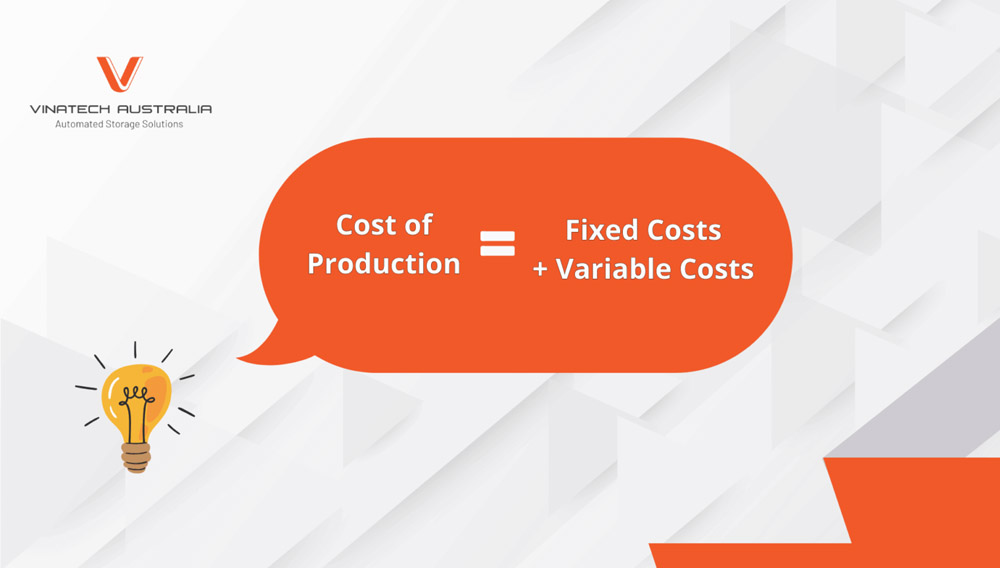
Production costs are composed of three main elements: direct materials, direct labor, and manufacturing overhead. The basic formula is as follows:
Total Production Cost = Raw Materials Cost + Direct Labor Cost + Manufacturing Overhead
Step 1 – Calculate Raw Materials
When calculating raw material costs, a business must consider the quantity of materials used, the unit cost, and the rate of waste or scrap generated during production.
Specifically:
- Quantity used refers to the total amount of materials required to manufacture the product, typically measured in kilograms, liters, or meters depending on the material type.
- Unit cost is the price per unit of material, which may vary based on market conditions, supplier agreements, or purchase volume.
- Waste or scrap represents materials lost due to technical errors, excess usage, or inefficient production practices.
Step 2 – Calculate Direct Labor Costs
After determining raw material costs, the next step in calculating the cost of production is to determine direct labor costs — the expenses paid to employees who are directly involved in the manufacturing process. This includes wages, allowances, bonuses, social insurance, and other benefits provided to workers, technicians, or production line staff.
Step 3 – Assign Manufacturing Overhead
Once both raw material and direct labor costs are determined, the company must allocate manufacturing overhead — the indirect costs that arise during production but cannot be directly assigned to specific products. This step is essential to accurately calculate the cost of production. These include electricity, water, machinery maintenance, equipment depreciation, factory rent, safety expenses, and supervisor salaries.
To ensure fair and accurate cost allocation, these overhead expenses are usually distributed based on production volume, labor hours, or direct labor costs. For example, if one production line accounts for 40% of total output, then approximately 40% of electricity and machinery depreciation costs should also be assigned to that line.
Example: Production Costs in a Manufacturing Plant
- Raw Material Costs: Include steel sheets, square steel tubes, bolts, powder coating paint, plastic caps, labels, and other auxiliary materials (variable costs).
- Direct Labor Costs: Consist of wages, allowances, insurance, and benefits for workers.
- Machinery and Equipment Costs: Cover depreciation of welding machines, laser cutting machines, powder coating lines, stamping machines, forklifts, as well as regular maintenance and repair costs.
- Production Management Costs: Include salaries and allowances for workshop supervisors, quality control expenses, office supplies, phone and safety costs, work uniforms.
- Other Costs: Include electricity, water, and fuel for machinery, internal transportation within the factory
Factors Affecting Cost of Production
A company’s production costs are influenced by a wide range of both internal and external factors. Understanding and monitoring these elements are crucial for effective cost management, accurate pricing, and maintaining stable profitability in a competitive market environment.
External Factors
Some common external factors include:
- Raw Material Price Fluctuations: Prices of steel, plastic, chemicals, or energy vary according to global market trends, directly affecting production costs.
- Tariffs and Trade Policies: The imposition of import/export duties or trade barriers can increase the cost of raw materials and transportation.
- Macroeconomic Conditions: Inflation, exchange rates, interest rates, and overall economic growth influence both production costs and profit margins.
- Political and Geopolitical Situations: Conflicts, sanctions, or policy changes in material-supplying countries can disrupt supply chains and increase procurement risks.
Internal Factors
Internal factors are those that a company can control and adjust directly to influence its production costs.
Key internal factors include:
- Production Methods: Selecting advanced technologies, automated systems, and efficient production processes can reduce labor costs and improve productivity.
- Labor Productivity: The skill level, discipline, and coordination of workers have a direct impact on manufacturing efficiency and overall output quality.
- Operational Efficiency: Effective management of input materials, production scheduling, machinery maintenance, and quality control helps reduce indirect costs and optimize production processes.
Organizational Structure and Management: A lean and well-coordinated management model that aligns production, technical, and planning departments improves workflow efficiency and maximizes resource utilization.
How to Optimize and Reduce Cost of Production
Optimizing the cost of production enables businesses to reduce cost of product, increase profit margins, and enhance competitiveness in the market. Below are several effective strategies that can help companies cut production costs by 10–30% while maintaining product quality and operational efficiency.
Technology Adoption
The adoption of modern technology is one of the most crucial factors in reducing production costs and improving operational performance. Implementing automation systems and advanced machinery not only helps lower labor costs but also enhances precision, speed, and stability throughout the manufacturing process.
The introduction of modern production equipment and smart management systems such as ERP (Enterprise Resource Planning) allows businesses to minimize material waste, track costs in real time, manage inventory more efficiently, and plan production more effectively. Moreover, technology enables companies to transition toward green and sustainable manufacturing, reducing emissions and energy consumption in line with international environmental standards.
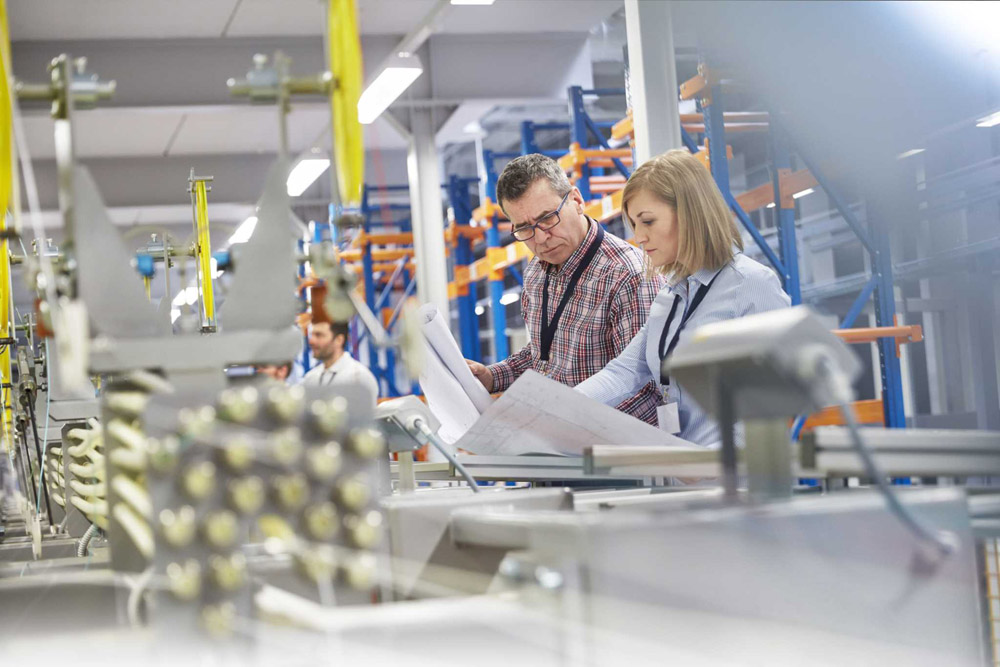
Waste Reduction Techniques
During production, waste often arises from inefficient use of materials, excessive inventory, or redundant processes within the production line. Therefore, applying modern management and manufacturing methods is essential to minimize unnecessary costs and improve overall productivity.
One widely used approach is Lean Manufacturing, which focuses on eliminating non-value-added activities such as waiting time, unnecessary movement, overproduction, and redundant inspections. This method helps businesses reduce operational expenses, shorten production cycles, and improve resource utilization efficiency.
Additionally, effective inventory management through models like Just-in-Time (JIT) or FEFO/FIFO ensures that raw materials are maintained at optimal levels — preventing overstocking or spoilage from prolonged storage. As a result, companies can reduce warehousing and material loss costs, maintaining a lean and efficient production flow.
Vinatech Australia – Pallet Racking & Smart Warehouse Solutions
- Website: https://vinatech.com.au/
- Phone number: 0485 083 868
- Email: info@vinatech.com.au
- Address: 34 Paramount Bvd, Cranbourne West VIC 3977, Australia

My name is William Harris, and I am the Production Director at Vinatech Australia. I oversee the entire manufacturing operation for our industrial warehouse racking systems and the development of smart warehouse solutions.