



Understanding LIFO helps companies choose the right inventory accounting method to accurately reflect inventory costs and improve cash flow. This approach not only provides a more realistic representation of actual costs during periods of inflation but also offers significant advantages in terms of taxation, cash flow, and overall financial management efficiency.
What is LIFO
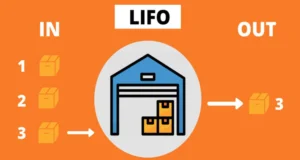
LIFO (Last In, First Out) is an inventory valuation method in accounting used to determine the cost of goods sold (COGS) and the value of ending inventory. Under this method principle, the most recently purchased or produced goods (last in) are assumed to be the first ones sold (first out).
This method is particularly useful in periods of rising prices or inflation, as it helps reflect current costs in the cost of goods sold, thereby reducing reported profits and short-term tax liabilities.
A clear understanding and proper application of the LIFO method enables businesses to accurately determine COGS, profit, and financial performance across accounting periods. By allocating costs based on the most recent purchases, LIFO ensures that current costs are promptly reflected in business results, providing a more realistic view of financial performance.

How LIFO Works in Inventory Management
The LIFO method in inventory management is a system in which the costs of the most recently purchased or manufactured goods are recognized first as the cost of goods sold (COGS). In practice, this means that when inventory is sold or issued, the costs of the newest items are recorded first, while the older inventory remains on the balance sheet as ending inventory.
Implementing this method in practice requires a robust accounting and data management system capable of tracking multiple inventory layers at different cost levels simultaneously. Businesses must maintain detailed records of purchase dates, quantities, and unit costs for each inventory batch to ensure accurate and consistent calculation of both COGS and ending inventory values.
For example, an automobile manufacturer experiencing rising steel prices may apply this to record the higher, more recent steel costs as part of COGS. This approach ensures that production expenses are accurately reflected in accordance with current market conditions, providing a more realistic view of operational costs and profitability.
Benefits of Using LIFO in Inventory Valuation
When applied correctly, LIFO can help businesses optimize tax obligations, improve cash flow, and more accurately reflect the impact of price fluctuations in their financial statements.
Tax Advantages and Cash Flow Impact
Because LIFO allocates the most recent (and often higher) costs to the cost of goods sold (COGS), reported profits tend to be lower compared to other methods such as FIFO. This reduction in taxable income can translate into significant tax savings, especially for companies with large inventories or those operating in industries where input costs are rising rapidly.
As a result, a company’s operating cash flow improves, since the funds that would otherwise be used to pay taxes can be retained and reinvested in business expansion, production growth, or operational expenses. Although these benefits are temporary, during periods of sustained inflation, LIFO enables businesses to maintain liquidity and greater financial flexibility.
Business and Financial Reporting Benefits
Beyond tax advantages, the LIFO method also provides significant value in financial reporting and business management, allowing companies to more accurately reflect real costs and market conditions.
This method offers a more realistic representation of current costs, particularly in periods of rising raw material prices. By recording COGS based on the most recent purchase costs, profit statements present a truer picture of a company’s actual expenses rather than relying on outdated cost figures.
This approach also enhances the comparability between current costs and current revenues in income statements. This “matching principle” is a fundamental concept in accounting, and LIFO is highly effective in applying it during inflationary periods. When current revenues are matched against current costs, gross profit margins more accurately reflect the company’s true operating performance.

Practical Considerations and Challenges of LIFO
This method also presents a range of technical, managerial, and regulatory challenges, which can impact the accuracy and transparency of financial reporting if not properly implemented.
Common Issues with LIFO
The LIFO method often results in understated inventory values on the balance sheet, especially during periods of inflation. Since LIFO records the cost of the most recently acquired goods as cost of goods sold (COGS) first, the remaining inventory typically consists of older, lower-cost items that do not accurately reflect current market values. This can lead to undervalued assets and reduce the overall reliability of financial statements.
Furthermore, this method is not permitted under International Financial Reporting Standards (IFRS) and is also incompatible with tax regulations in many countries. This poses difficulties for companies operating internationally or listed on global stock exchanges, as they are often required to use alternative methods such as FIFO (First In, First Out) or WAC (Weighted Average Cost) to ensure compliance.
In addition, LIFO requires sophisticated inventory tracking systems and detailed historical cost records to accurately calculate inventory layers and COGS. For businesses with diverse product lines, frequently changing prices, or complex supply chains, maintaining such meticulous records can be both resource-intensive and administratively demanding.
Solutions and Best Practices
To minimize risks and maximize the efficiency of LIFO implementation, companies should establish a robust inventory management system that ensures accuracy, transparency, and compliance with accounting standards.
First and foremost, investing in a modern inventory management platform is essential. A well-designed system enables detailed tracking of each inventory layer, real-time cost updates, and automated COGS calculations. This not only enhances inventory control but also minimizes manual errors in applying the LIFO methodology.

Additionally, companies should conduct regular internal audits and process reviews. Frequent audits help ensure that inventory data is recorded accurately, discrepancies between book value and actual inventory are promptly identified, and overall compliance with accounting and legal standards is maintained.
By combining strong data systems, regular oversight, and a disciplined accounting approach, businesses can effectively manage the complexities of this approach while ensuring financial integrity and operational transparency.
Implementing LIFO: Tips and Strategies
Implementing the LIFO (Last In, First Out) method in practice requires not only a solid understanding of accounting principles but also a strategic approach tailored to the company’s operations and industry characteristics. An effective implementation process must ensure accurate cost recording, alignment with the inventory management system, and compliance with current accounting standards.
How to Apply LIFO Effectively
The most crucial step in applying LIFO effectively is to establish a well-defined accounting and inventory management process that aligns with the method’s principles. Businesses must clearly determine how each batch of inventory is recorded, maintaining detailed data on purchase dates, quantities, and unit costs to accurately build “inventory cost layers.” The accounting system should be designed to track, categorize, and calculate the cost of goods sold (COGS) based on the this method assumption.
To implement this method effectively and sustainably, companies must combine consistency in application, a robust inventory management system, and a deep understanding of its financial implications:
- Consistency: LIFO should be applied consistently across all accounting periods and inventory transactions to ensure transparency and compliance with accounting standards.
- Robust Inventory Management Systems: Integrating accounting and warehouse data ensures transparency, synchronization, and easy verification during audits.
Understanding Financial Impacts: Businesses should recognize that under inflationary conditions, LIFO may result in lower reported profits due to higher COGS, which directly influences how financial performance is presented.
Industries Where LIFO is Most Beneficial
The LIFO method is not suitable for every business type, but it is particularly advantageous in industries characterized by steadily rising input costs and long-term inventory storage. In these sectors, where raw material or product prices fluctuate frequently, reflecting current costs in COGS becomes essential to ensure accurate financial reporting and a realistic view of profitability.
One of the most common industries applying this method is manufacturing, where the cost of raw materials such as steel, aluminum, chemicals, or electronic components often increases due to global market volatility. This allows manufacturers to record current production costs in COGS, thereby accurately reflecting operational efficiency and avoiding overstated profits during inflationary periods.
The petroleum industry is another prime example. Given the tendency for fuel prices to rise and fluctuate sharply over time, LIFO proves highly effective in protecting profit margins and enhancing cash flow stability, enabling companies to maintain healthier liquidity amid volatile market conditions.
Optimize LIFO Operations with Vinatech Australia
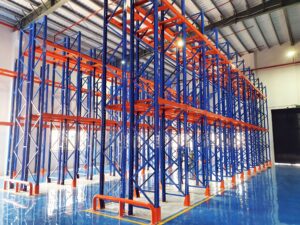
In today’s business landscape, where companies increasingly prioritize storage efficiency and cost management, integrating the LIFO (Last In, First Out) method with modern racking and warehouse management systems is a crucial factor in optimizing operations. Vinatech Australia proudly provides specialized storage and WMS solutions designed to help businesses implement LIFO effectively, safely, and with maximum flexibility.
With extensive experience in delivering hundreds of warehouse projects worldwide, Vinatech Australia is ready to partner with businesses in optimizing space utilization, reducing operational costs, and enhancing overall efficiency—ensuring that the LIFO model delivers its full potential and long-term value.
𝐕𝐢𝐧𝐚𝐭𝐞𝐜𝐡 𝐀𝐮𝐬𝐭𝐫𝐚𝐥𝐢𝐚 – 𝐒𝐦𝐚𝐫𝐭 𝐖𝐚𝐫𝐞𝐡𝐨𝐮𝐬𝐞 𝐒𝐨𝐥𝐮𝐭𝐢𝐨𝐧𝐬
Website: https://vinatech.com.au/
Phone number: 0406 916 355
Email: info@vinatech.com.au
Address: 48/58 Cyber Loop, Dandenong South VIC 3175, Australia

My name is William Harris, and I am the Production Director at Vinatech Australia. I oversee the entire manufacturing operation for our industrial warehouse racking systems and the development of smart warehouse solutions.