



Manufacturing and Raw Materials Warehouses play a critical role in maintaining production continuity and supply chain efficiency. These environments require more than just storage — they demand specialized systems designed to handle heavy loads, varied materials, and complex workflows while ensuring safety and organization.
Understanding Solutions for Manufacturing and Raw Materials Warehouses
Manufacturing and Raw Materials Warehouses are storage facilities that house components or materials intended for use in the production line to manufacture finished goods. These centers store unprocessed materials — items that have not yet undergone any stage of the manufacturing process.
Manufacturing and Raw Materials Warehouses play a vital role in ensuring a continuous supply chain and stable production efficiency. Unlike conventional warehouses, they require specialized storage and operational solutions designed to handle large volumes of materials, diverse product categories, and the fast-paced demands of industrial production.
Typically located close to manufacturing zones, raw material warehouses help accelerate the movement of materials between storage and production areas. Within the broader supply chain, synchronizing logistics facilities with production centers is essential to achieving seamless and efficient operations.
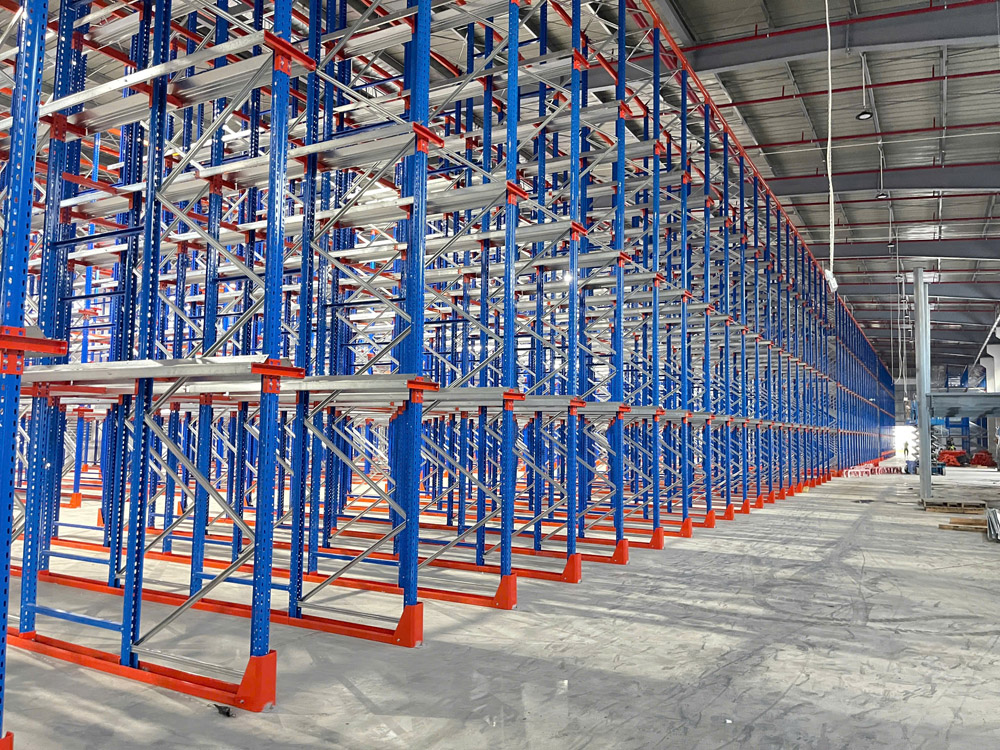
Key Challenges in Manufacturing and Raw Materials Warehouses
Operating a manufacturing warehouse comes with a unique set of logistical and operational hurdles that require specialized management. Understanding these key obstacles is essential to designing a warehouse system that supports seamless manufacturing operations and long-term business growth.
High Load Capacities and Irregular Material Sizes
Manufacturing and Raw Materials Warehouses are often required to store heavy, bulky, or irregularly shaped materials such as steel coils, machinery components, or chemical drums. Unlike uniformly palletized goods, these types of materials demand robust and adaptable racking systems capable of withstanding uneven load distribution while maintaining structural integrity and stability.
An effective storage solution must meet both safety and accessibility requirements, ensuring smooth loading and unloading operations without causing equipment damage or operational hazards. Investing in high-load, purpose-built racking systems tailored to these material types enables manufacturers to maximize storage space, safeguard valuable assets, and maintain a steady, efficient production workflow.
Inefficient Space Utilization
An inefficient layout in Manufacturing and Raw Materials Warehouses can significantly increase both handling time and operational costs, especially when raw materials are stored directly on the floor instead of within optimized racking systems. This setup not only wastes valuable vertical storage space but also makes organization, accessibility, and inventory control more complex and less efficient.
By implementing vertical storage solutions combined with zoning materials by type, businesses operating in Manufacturing and Raw Materials Warehouses can maximize storage capacity, streamline workflow, and enhance overall operational efficiency. When space is effectively utilized, the warehouse environment becomes more organized and efficient, production timelines are shortened, and inventory management accuracy is greatly improved.
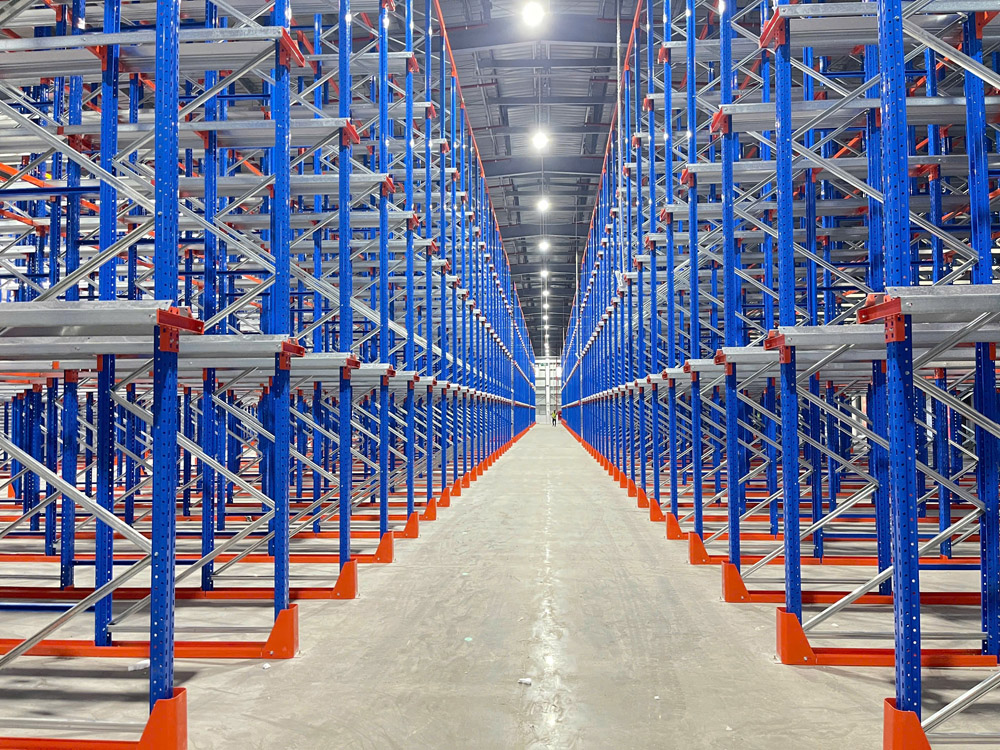
Inventory Inaccuracy and Production Delays
Relying on manual tracking methods or outdated warehouse systems in Manufacturing and Raw Materials Warehouses often leads to inventory discrepancies, disrupting production schedules and interrupting the smooth flow of raw materials. Without accurate monitoring and real-time visibility, businesses are more likely to face stock inconsistencies, material shortages, and production delays that can hinder overall efficiency.
In addition, external disruptions such as geopolitical conflicts or extreme weather events can cause delivery delays, increased costs, and resource shortages. To mitigate these risks, companies operating in Manufacturing and Raw Materials Warehouses should strengthen supplier relationships, diversify their supply base, and integrate modern Warehouse Management Systems (WMS) to enhance visibility and responsiveness.
According to Deloitte’s Supply Chain Study, strengthening supplier partnerships and diversifying sourcing remain the two most effective risk mitigation strategies, recognized by 83% and 81% of executives, respectively.
Warehouse Racking Solutions for Manufacturing & Raw Materials
Efficient warehouse racking solutions are essential for manufacturing and raw material facilities, where the balance between storage capacity, accessibility, and safety directly impacts production flow. These systems not only help maximize space utilization but also streamline material handling, ensuring that raw materials and finished products move seamlessly through each production stage.
Pallet Racking Systems
Pallet racking systems are specialized storage solutions designed for raw materials, heavy components, and palletized goods, aimed at maximizing vertical space utilization and supporting efficient forklift operations within the warehouse.
With their durable structure, high load capacity, and flexible configuration options, these systems help manufacturing businesses increase storage efficiency, reduce floor space costs, and streamline operational workflows. Depending on the nature of stored goods and spatial requirements, several types of pallet racking systems are commonly used:
- Selective Racking: Provides direct access to each individual pallet, offering exceptional flexibility for loading and unloading operations. It is ideal for warehouses with diverse product ranges and high turnover rates, where frequent stock rotation and varied inventory management are required.
- Drive-in Racking: Enables high-density storage, particularly suitable for uniform and large-volume products. Forklifts can drive directly into the rack structure to load or retrieve goods, effectively reducing aisle space and maximizing floor area utilization.
- Push-back Racking: Semi-automatic systems allow for deep storage of multiple pallets, increasing storage density while maintaining rapid inventory turnover, making them an ideal choice for warehouses managing large-scale, high-frequency movements of goods.
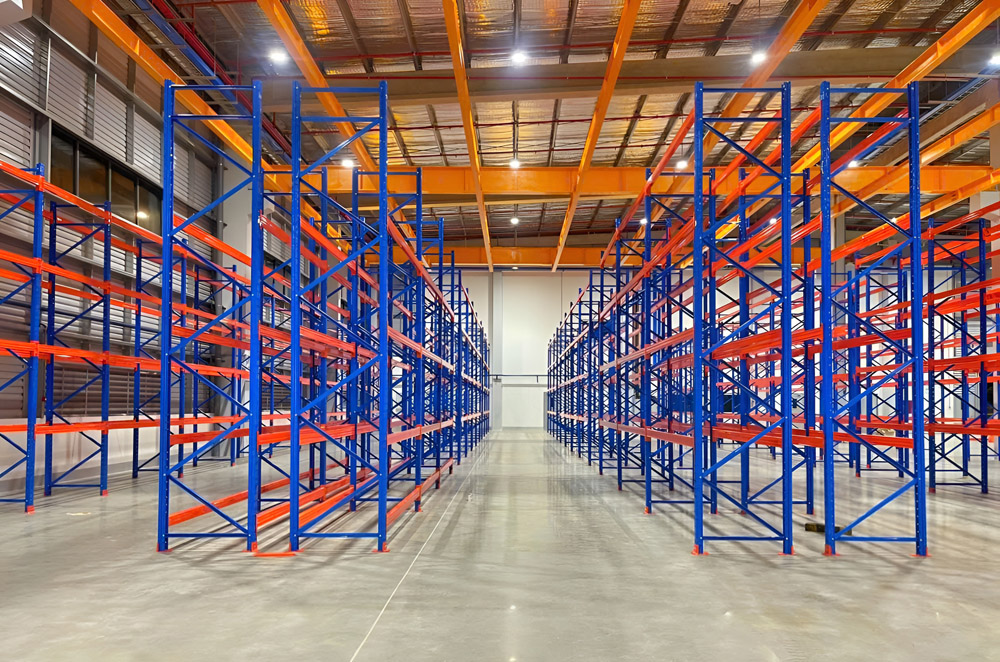
Shelving Systems for Small Components
In Manufacturing and Raw Materials Warehouses, not all items require heavy-duty racking. Smaller tools, spare parts, and sub-assemblies are best stored using lightweight and modular shelving systems that offer flexibility and organization.
Common types such as slotted angle shelving, longspan shelving, and wire mesh shelving allow for easy reconfiguration based on changing storage needs, ensuring that every component is easily accessible. These systems are ideal for production support zones, where frequent stock rotation, quick visibility, and rapid retrieval are essential to maintaining continuous production flow and minimizing downtime.
By combining modularity with visibility, shelving systems help streamline daily operations, reduce picking errors, and enhance overall warehouse productivity.
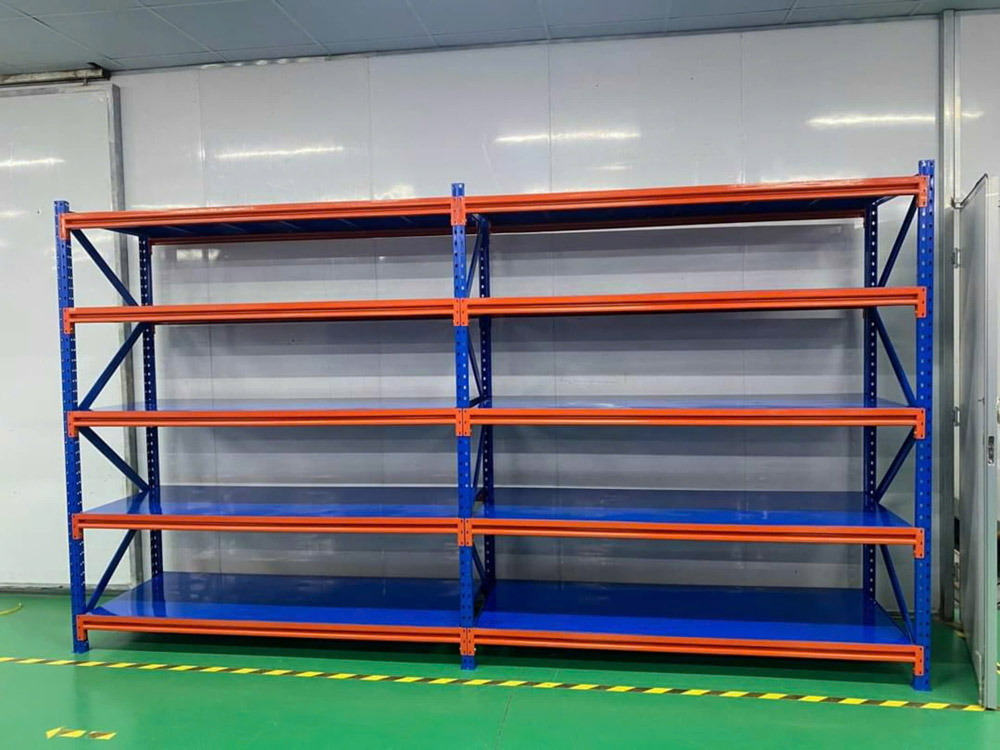
Space Optimization and Workflow Design
Effective warehouse design goes beyond storage — it’s about maximizing space and optimizing workflow to ensure smooth, cost-efficient operations. By utilizing vertical space through Very Narrow Aisle (VNA) racking systems or mezzanine floors racking, manufacturers can significantly increase storage capacity without the need for physical expansion.
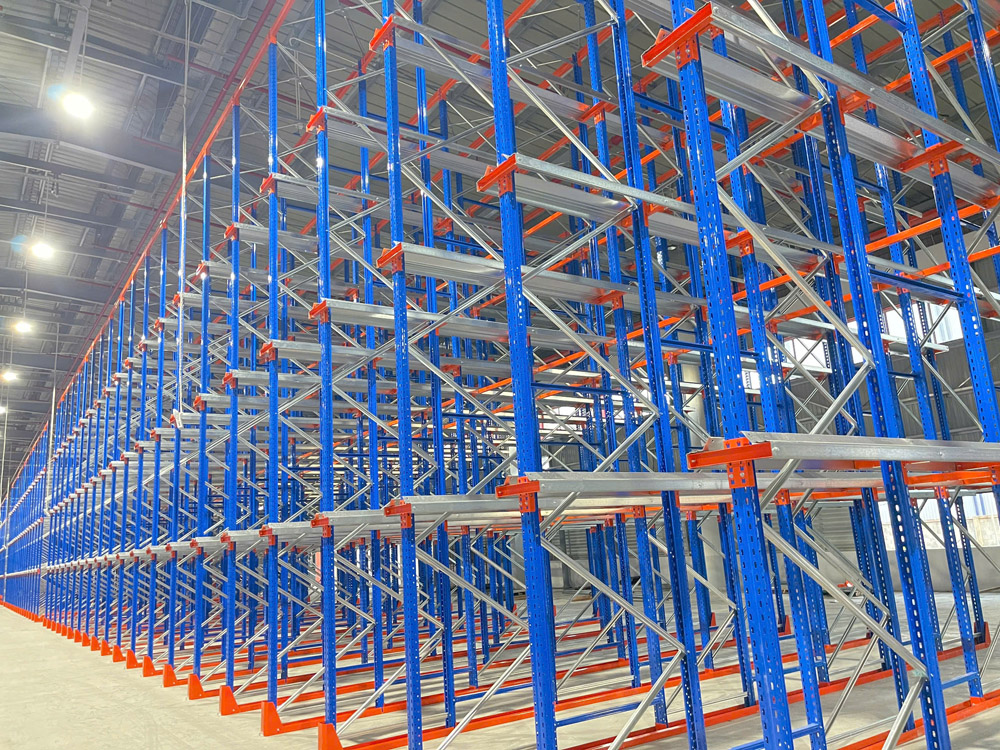
Additionally, integrating Warehouse Management Systems (WMS) enables precise material tracking, efficient inventory control, and optimized picking paths, reducing unnecessary movement and handling time. When combined, these strategies create a well-organized warehouse environment that supports higher productivity, faster order fulfillment, and lower operational costs.
Warehouse Layout and Space Optimization Techniques
An efficient warehouse layout is the foundation of smooth material flow, maximum space utilization, and cost-effective operations. In manufacturing and raw material storage, every square meter counts, making it essential to design a warehouse that supports both capacity expansion and operational efficiency.
Vertical Storage Utilization
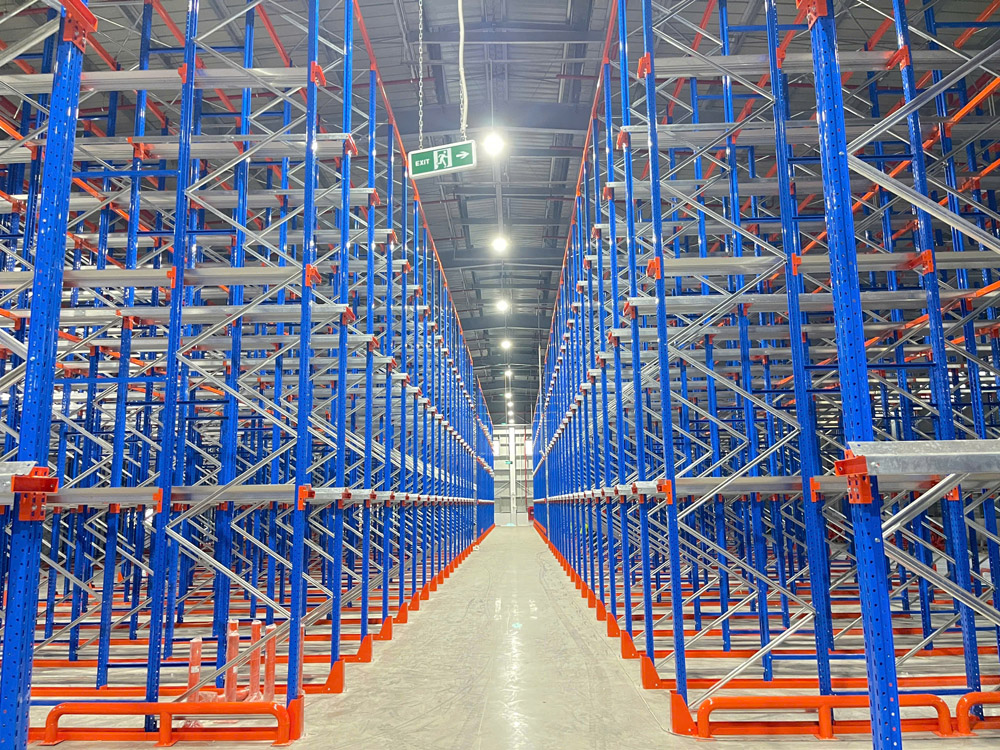
Optimizing vertical space is one of the most strategic and effective approaches for businesses to increase warehouse capacity without the need for physical expansion. Leveraging the full height of the facility not only delivers superior space utilization, but also allows for a more structured and efficient organization of storage areas and workflow processes.
In the long term, this approach brings significant economic benefits by reducing infrastructure expansion costs while enabling businesses to remain agile and scalable. It allows manufacturers to adapt quickly to market demand, expand production capacity with flexibility, and maintain consistent operational efficiency in an increasingly competitive environment.
Workflow Optimization and Inventory Management
Optimizing workflow and inventory management is essential for maintaining smooth, efficient warehouse operations. By strategically organizing inventory based on turnover rates — storing fast-moving items closer to dispatch zones and slower-moving goods in higher or remote locations — manufacturers can reduce travel time and streamline material handling.
Integrating Warehouse Management Systems (WMS) further enhances control and visibility across operations. These systems enable real-time inventory tracking, automated stock updates, and data-driven decision-making, ensuring materials are available precisely when needed for production.
Maintenance Best Practices and Longevity
Regular maintenance is vital to ensure warehouse systems operate safely, efficiently, and for as long as possible. Establishing a scheduled inspection and maintenance routine helps detect early signs of wear, damage, or structural stress — preventing small issues from turning into costly repairs or unexpected downtime.
Best practices include routine checks of load-bearing components, tightening bolts and connections, cleaning and lubricating moving parts, and promptly repairing damaged sections to maintain structural integrity. Additionally, maintaining clear records of inspections supports compliance with safety standards and enhances accountability across warehouse operations.
Case Study: Warehouse Racking Installation at Thinh Phat Industrial Zone, Long An, Vietnam
This section details the successful installation of warehouse shelving systems at Thinh Phat Industrial Park in Long An Province. It outlines the specific requirements of the client’s warehouse regarding storage capacity, load type, and spatial constraints.
Investor Requirements
The project involves an industrial warehouse designed to store a wide variety of heavy goods. The investor required a robust and high-capacity racking system that could maximize storage density, optimize warehouse operations, and save handling time.
Beyond capacity, the client emphasized:
- Long-term durability, as the warehouse would operate continuously with frequent inbound and outbound activities.
- The quality and reliability of the racking system — seeking not only a high-performance
- Space-efficient solution but also one that offers stability, safety, and long-term warranty coverage.
Vinatech Group’s Solution
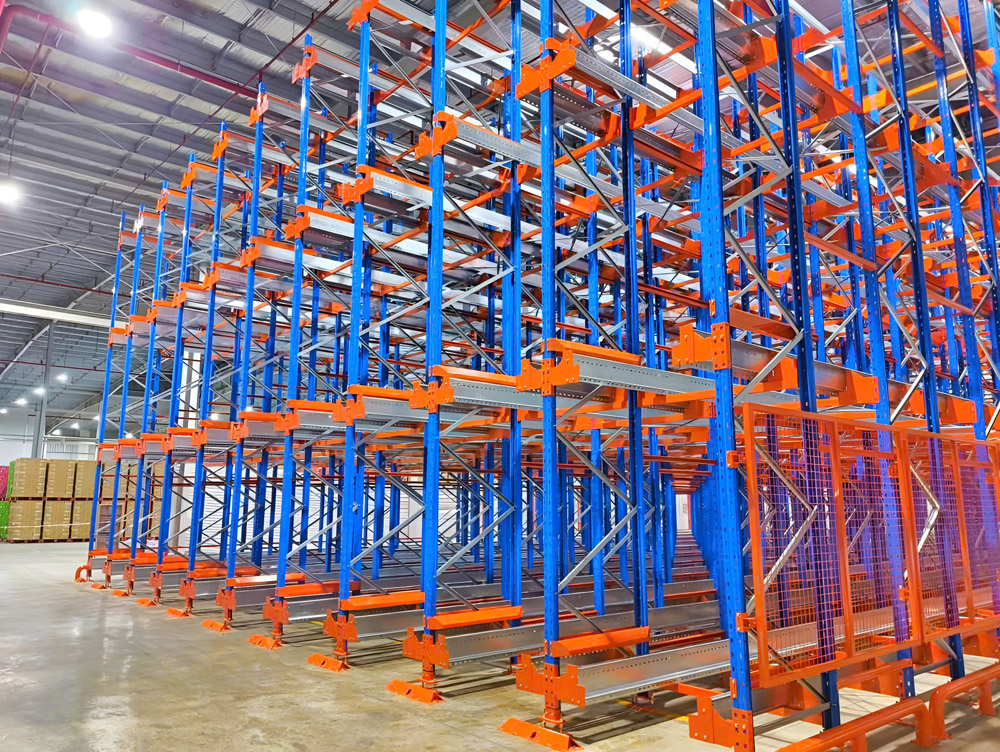
Upon receiving the client’s requirements, Vinatech Group conducted a comprehensive on-site survey and developed a detailed layout design tailored to the warehouse’s operational needs. Based on the evaluation, Vinatech proposed implementing the Radio Shuttle Racking System, which the client approved after reviewing the concept and benefits.
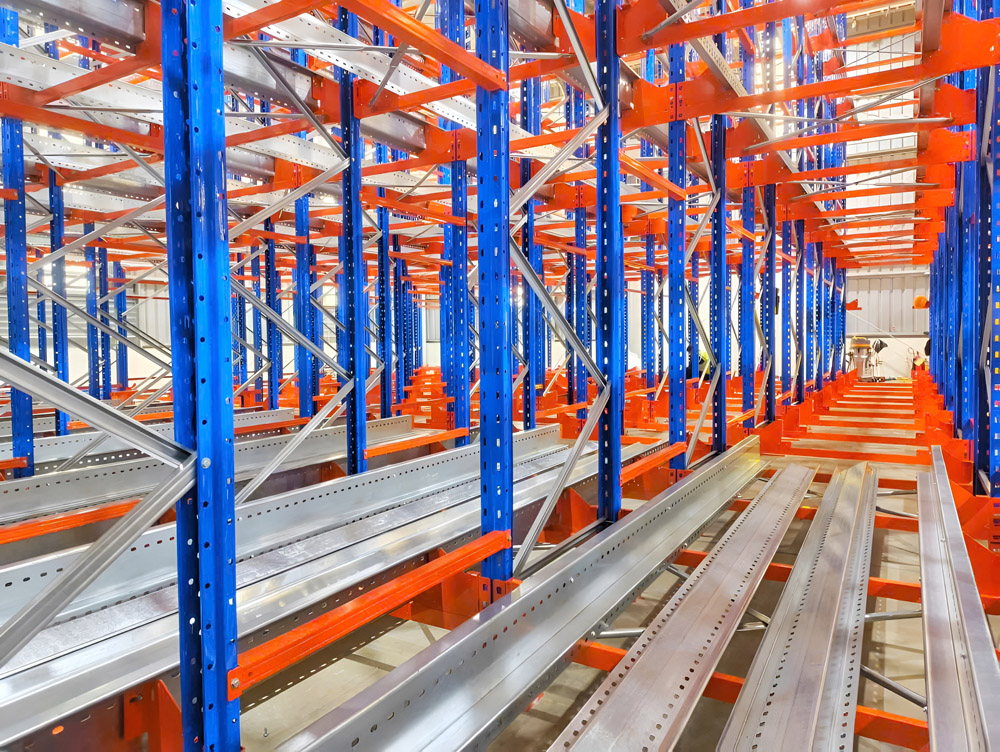
The Radio Shuttle system is a semi-automated storage solution widely used in industrial warehouses across developed countries. In Vietnam, this advanced system has gained attention in recent years for its ability to enhance efficiency and reduce labor costs.
Key Advantages:
- Automatically transports and retrieves pallets with high efficiency and productivity.
- Eliminates forklift entry into aisles, minimizing traffic and risks.
- Shuttle travel speed: 1.2 m/s (unloaded) and 0.8 m/s (loaded).
- Maximum load capacity: 1,500 kg per pallet
This innovative racking system is increasingly adopted in industries such as food and beverage, cold storage, chemicals, automotive, electronics, logistics centers, and industrial manufacturing — significantly boosting warehouse efficiency, space utilization, and reducing labor costs.
Contact Vinatech Australia for solution consultation
If your business is seeking an advanced storage solution that optimizes space utilization and enhances warehouse performance, the expert team at Vinatech Australia is ready to partner with you every step of the way — from on-site assessment and design consultation to system selection, implementation, and long-term maintenance.
Vinatech Australia – Pallet Racking & Smart Warehouse Solutions
- Website: https://vinatech.com.au/
- Phone number: 0406 916 355
- Email: info@vinatech.com.au
- Address: 34 Paramount Bvd, Cranbourne West VIC 3977, Australia

My name is William Harris, and I am the Production Director at Vinatech Australia. I oversee the entire manufacturing operation for our industrial warehouse racking systems and the development of smart warehouse solutions.