Inventory Management Systems are technological solutions that help businesses monitor, control, and optimize the entire flow of goods — from procurement and storage to distribution. By leveraging automation and real-time data analytics, these systems minimize manual errors, maintain optimal stock levels, and enhance operational efficiency. In today’s highly competitive market, adopting a modern inventory management system not only helps reduce costs but also improves decision-making speed and customer responsiveness.
What is an Inventory Management System?
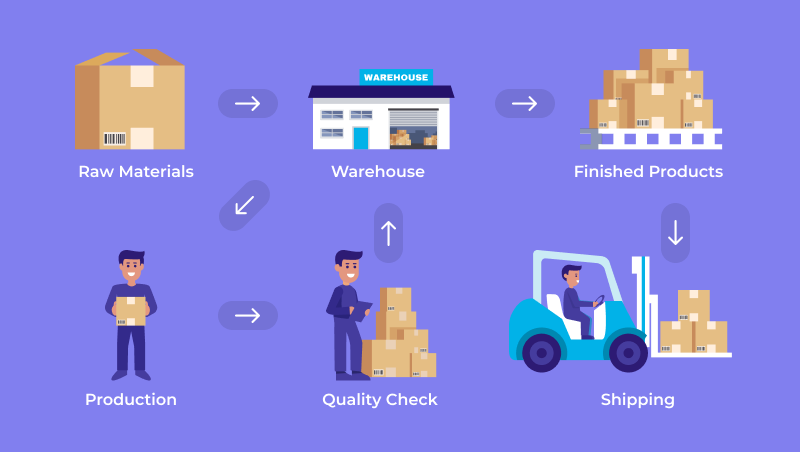
Inventory management is the process that enables businesses to control the entire lifecycle of their products — from raw materials at the factory, to finished goods in storage, and finally to products distributed at the point of sale. The goal is to maintain a balance between customer demand, cost efficiency, and supply chain responsiveness, thereby ensuring sufficient stock levels for stable and efficient operations.
To achieve this, many businesses today leverage inventory management systems — software solutions designed to automate and optimize inventory tracking, ordering, and storage. These systems provide real-time data visibility, helping organizations reduce waste, improve order accuracy, and make faster, data-driven decisions in an ever-changing market environment.

When implemented effectively, inventory management not only prevents stockouts that can disappoint customers but also avoids overstocking, reduces storage costs, and enhances profitability. Moreover, it allows businesses to remain agile and resilient amid fluctuating demand, supply chain disruptions, and other unforeseen operational challenges.
Types of Inventory Management Systems
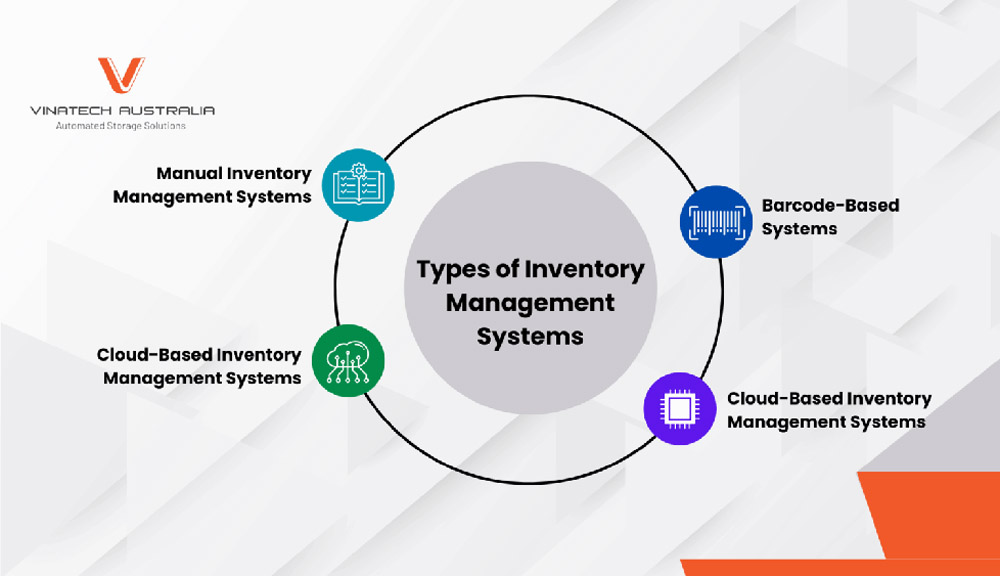
Today, inventory management systems are categorized based on their level of automation and technological integration, with each type suited to different business sizes and operational needs:
- Manual Inventory Management Systems: This traditional approach relies on spreadsheets or paper records to track inventory. While low-cost, it is time-consuming, prone to errors, and difficult to scale as business operations grow.
- Barcode-Based Systems: These systems use barcode scanners to input and retrieve product information, helping minimize manual errors and speed up inventory counting. They are ideal for small and medium-sized enterprises (SMEs) seeking accurate and efficient inventory control without significant investment.
- RFID-Enabled Systems: Uftilizing Radio Frequency Identification (RFID) technology, these systems allow real-time inventory tracking without manual scanning. They are particularly suited for large enterprises or retail chains that require high accuracy, automation, and speed in complex inventory operations.
- Cloud-Based Inventory Management Systems: These platforms enable businesses to access and manage inventory data anytime, anywhere, and across multiple devices. Often integrated with ERP, POS, or CRM systems, they provide seamless data synchronization and real-time decision-making. This is the ideal solution for modern, digitally transforming organizations seeking scalability and connectivity.
How Inventory Management Systems Work
Inventory management is the process of closely monitoring the location, quantity, and condition of goods, while also planning timely replenishment as stock levels decline. In modern businesses, many of these processes are now automated through intelligent inventory management software, where components such as demand forecasting, purchasing plans, production schedules, and warehouse data are all integrated into a single unified platform.
These systems often leverage barcode scanners, cloud technology, Internet of Things (IoT) devices, and data analytics tools to automatically capture information, minimize manual errors, and identify inefficiencies early in the workflow. As a result, organizations can track the movement of goods in real time — from inbound receiving and storage to sales or final distribution.
One of the most powerful features of these systems is the reorder alert function. When inventory levels fall below a pre-defined threshold, the system automatically triggers alerts or initiates replenishment orders, helping prevent stockouts and ensuring a smooth, uninterrupted supply chain. This capability enables businesses to maintain operational agility and customer responsiveness in a fast-changing market environment.

Key Features of Inventory Management Systems
Modern inventory management systems are designed to provide businesses with comprehensive visibility and flexible control throughout their entire operational process.
Real-Time Inventory Tracking
The real-time inventory tracking feature allows instant updates on the quantity, location, and status of each item as changes occur — from receiving goods and storage to order fulfillment and sales. With continuous connectivity across sales channels, warehouses, and suppliers, the system enables businesses to maintain an accurate, up-to-date view of their inventory, effectively preventing stockouts that disrupt operations and overstocking that ties up capital and increases storage costs.
By automatically synchronizing data through barcode technology, RFID, or integration with POS and ERP systems, organizations can make faster and more accurate decisions — such as transferring inventory between locations, optimizing purchasing plans, and responding swiftly to shifts in market demand.

Integration with Sales and Accounting Systems
Through seamless integration with sales and accounting platforms, all data related to orders, payments, and inventory is automatically synchronized within a single system. This not only enhances data accuracy and eliminates manual entry errors but also aligns workflows across departments, ensuring every team operates based on a single, reliable source of truth.
When a sale is completed, the system automatically updates stock levels and records corresponding revenue and cost information in the accounting system. This enables businesses to track Cost of Goods Sold (COGS), actual profit, and cash flow in real time, without the need for duplicate data entry, thereby improving financial transparency and operational efficiency.
Benefits of Using Inventory Management Systems
The implementation of an inventory management system not only enables businesses to gain better control over resources and costs, but also enhances competitiveness and supports sustainable growth in an increasingly fast-paced and accuracy-driven business environment.
According to a recent report, retailers managing over 60,000 products can save more than USD 70,000 annually in labor costs by automating manual stock audits through an advanced inventory management system. Moreover, these systems also deliver significant benefits for smaller businesses, helping them streamline operations, reduce errors, and improve overall efficiency.

- Empower organizations with real-time insights and automation through intelligent Inventory Management Systems.
Cost Reduction and Waste Minimization
An effective inventory management system not only helps businesses control their stock levels but also has a direct impact on net profitability. When inventory is tightly managed, companies can optimize cash flow, reduce storage costs, and preserve product value, avoiding issues such as obsolescence or quality degradation over time.
Moreover, by understanding actual demand and planning timely replenishment, businesses can ensure that products are always available when needed, eliminating unnecessary expenses from urgent shipments or emergency purchases caused by unexpected shortages. This approach not only reduces costs but also ensures business continuity and operational stability.
Additionally, the use of automation and data analytics technologies in inventory management enhances operational efficiency and workforce productivity, minimizes manual errors, and enables decision-making based on accurate, real-time information. As a result, working capital can be managed more flexibly, allowing companies to maintain a healthier and more sustainable cash flow.
Improved Decision-Making and Forecasting
One of the key advantages of modern inventory management systems is their ability to transform data into actionable insights for strategic decision-making. By collecting and analyzing data in real time, businesses can gain a clearer understanding of consumption trends, inventory turnover, and customer purchasing behavior, enabling more accurate planning for procurement and production.
These systems also support seasonal and cyclical demand forecasting, leveraging historical data and consumer trend models to help businesses adjust stock levels proactively, avoiding excess inventory during low-demand periods and shortages during peak seasons.
Furthermore, interactive analytical dashboards and intelligent forecasting tools empower managers to easily identify high-margin products, pinpoint underperforming items, and determine which products may require purchase adjustments or promotional strategies to accelerate inventory turnover and maximize profitability.
How to Choose the Right Inventory Management System
The selection of an inventory management system depends on clearly identifying the core functionalities that the business requires. It is essential to define the system’s objectives — whether it is primarily for tracking stock movement and location, for planning and analyzing inventory trends, or for a combination of both.
At the same time, businesses should evaluate the system’s scalability, alignment with budget constraints, and the vendor’s capability for technical support and software updates. Additionally, the ability to deploy the system on a cloud platform is an increasingly important factor, particularly for organizations with distributed teams or multiple operational locations.
Assessing Business Needs and System Scalability
To choose an effective inventory management system, it is crucial to accurately assess current business requirements and future growth potential. The system should be designed to match the complexity of operations while remaining flexible enough to scale as the company expands in size, product range, or warehouse network.
Smaller businesses may only need basic functionalities such as stock-in/out tracking or simple order management, whereas larger or rapidly growing enterprises often require comprehensive solutions capable of integration with ERP, POS, or e-commerce platforms.
Investing in a scalable and adaptable platform that can evolve with changes in organizational structure, processes, and data needs helps prevent costly system replacements or upgrades in the future. A flexible system also supports automation of complex workflows, optimizes performance as transaction volumes grow, and ensures long-term operational stability.
Evaluating Vendor Reputation and Support
Before making a final decision, it is vital to evaluate the vendor’s track record and customer feedback, including satisfaction levels, response time to incidents, and the effectiveness of after-sales support. A vendor with industry experience and a strong understanding of sector-specific requirements can deliver a more tailored solution aligned with real-world operations.
Moreover, the vendor’s policy on software updates and regular maintenance is a key consideration. A reliable provider will continuously enhance the system, fix bugs, and introduce new features to keep the software compatible with evolving technologies and ensure data security. Additionally, a 24/7 technical support team with in-depth expertise can help mitigate risks, resolve issues quickly, and maintain smooth system performance over time.
Vinatech Australia – Pallet Racking & Smart Warehouse Solutions
- Website: https://vinatech.com.au/
- Phone number: 0406 916 355
- Email: info@vinatech.com.au
- Address: 34 Paramount Bvd, Cranbourne West VIC 3977, Australia

My name is William Harris, and I am the Production Director at Vinatech Australia. I oversee the entire manufacturing operation for our industrial warehouse racking systems and the development of smart warehouse solutions.