


Mastering pallet racking terminology is not just about technical knowledge – it is a vital tool for clear communication, accurate decision-making, and ensuring operational safety. Understanding key terms such as upright, beam, bay, bracing, and anchoring enables businesses to choose the right racking type, install systems to standard, carry out effective maintenance, and fully comply with international safety regulations.
Introduction to Pallet Racking Terminology
A clear grasp of pallet racking terminology is the foundation for effective communication, proper installation, and compliance with industry standards — making it essential to understand why these terms matter in daily operations.
Why Understanding Pallet Racking Terms Matters
Mastering pallet racking terminology is essential for effective warehouse design and management. It enables managers, technicians, and safety teams to communicate clearly and avoid costly errors. A solid understanding supports smarter decisions on racking type, load capacity, and safety features.
Key terms such as uprights, beams, bays, bracing, and anchors are fundamental to pallet racking safety. Using these terms correctly ensures racks are installed to standard, comply with AS 4084, and minimise risks during operation while maintaining overall warehouse efficiency and safety.
A solid understanding of pallet racking terminology supports inspections, troubleshooting, and part replacement. Clear descriptions help technicians resolve issues quickly and minimise downtime. Using correct terms also ensures the right components are ordered, saving time and costs.
Basic Pallet Racking Terms Everyone Should Know
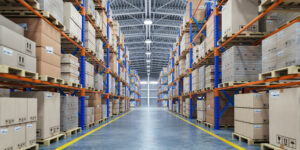
To understand and operate a pallet racking system effectively, it is essential to first grasp the basic terminology that describes its key structural components. This foundational knowledge enables clear communication with suppliers, ensures proper installation to standard, and guarantees safety throughout daily warehouse operations.

Key Components Terms (Upright, Beam, Frame)
A complete pallet racking system is built from fundamental components that play a crucial role in bearing loads and ensuring safety. These elements determine the structural integrity of the system while directly influencing storage efficiency and warehouse operations.
- Uprights/Frames: Vertical steel columns that form the main framework, keeping the entire system stable.
- Beams: Horizontal members connecting the uprights, providing direct support for pallets.
- Wire Decking: Steel mesh placed across the beams to create a secure surface, preventing pallets or goods from falling through.
- Accessories: Components such as shims, safety bars, column protectors, and other add-ons that enhance durability, safety, and flexibility.
The integration of these components allows for adjustable rack heights and ensures safe support for heavy pallets. Together, they form the foundation for optimised warehouse storage, efficient workflows, and long-term operational sustainability.
Types of Pallet Racking Explained
To build an optimised storage system, it is essential to understand the different types of pallet racking and their unique operating characteristics. Each racking solution comes with its own advantages and limitations, making it suitable for different requirements in terms of storage density, product turnover, and accessibility.
- Selective Racking: The most common type, allowing direct and full access to every pallet. Thanks to its high flexibility, it is ideal for warehouses with a wide range of SKUs and frequent pallet turnover. However, it requires more aisle space and offers lower storage density compared to other systems.
- Drive-In and Drive-Through Racking: These systems enable forklifts to drive directly into the racking structure to load or retrieve pallets. Drive-In racking operates on a LIFO (Last In, First Out) principle, while Drive-Through supports FIFO (First In, First Out). For example, a cold storage facility might use Drive-In racks to store frozen goods with longer shelf lives.
- Push-Back Racking: This system uses carts on rails that allow pallets to be loaded from the front, automatically pushing existing pallets backward. It provides higher storage density than selective racking while still maintaining reasonable selectivity, making it suitable for warehouses handling a moderate number of SKUs.
- Double-Deep Racking: Designed to store pallets two-deep, this system reduces the number of aisles required and increases storage capacity within the same floor space. However, it requires specialised forklifts and reduces direct access to individual pallets.
»» Read more: Anatomy of a Pallet Racking System
Load Capacity and Safety Terms in Pallet Racking
Understanding load capacity is the first step in ensuring that your racking system can safely support the weight of stored goods. By selecting the correct load rating, you safeguard both the structural stability and the overall safety of the system.
The consequences of neglecting or misjudging the load limits of pallet racking can be severe: operational disruptions, damage to valuable inventory, and, most critically, potential risks to worker safety.
Understanding Load Capacity and Bay Load
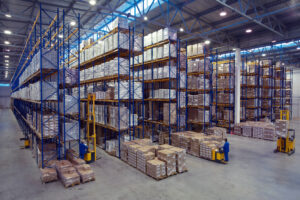
In a pallet racking system, load capacity refers to the maximum weight that each structural component, such as beams or uprights can safely support. Adhering to these limits ensures that every pallet position holds its intended load without compromising the overall stability of the system. This is a critical factor in maintaining operational safety and extending the service life of the racking.
The most common load capacities in pallet racking include:
- Pallet load capacity: The maximum weight allowed per pallet.
- Beam load capacity: The maximum weight a pair of beams can safely support..
- Bay load capacity: The total maximum weight that an entire bay can carry, measured between two uprights and including all beam levels within that bay.
When designing and using pallet racking, it is essential to consider structural factors that affect load capacity, such as:
- Beam deflection: Excessive bending of beams under load reduces structural integrity. Load ratings are calculated based on acceptable deflection limits.
- Rack height: As rack height increases, stability decreases, often requiring additional bracing or reinforcing accessories.
Exceeding bay load capacity defined as the combined load across all beam levels between two uprights can cause deformation, damage, or even system collapse. To ensure safe storage, best practices include:
- Distributing weight evenly across beams and uprights.
- Avoiding point loads concentrated in small areas.
- Never exceeding the manufacturer’s rated capacity.
- Clearly displaying load signage in each storage area.
- Training warehouse staff on load regulations and safe stacking procedures.
These measures not only help prevent accidental overloading but also ensure the racking system operates reliably and remains compliant with warehouse safety standards.
Glossary of Safety Terms
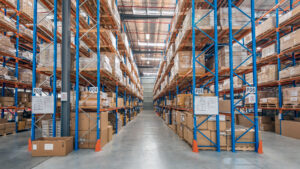
Safety components play a crucial role in maintaining warehouse security, minimizing accident risks, and extending the lifespan of the entire pallet racking system. Equipping and using these elements correctly not only protects the structural integrity of the racking but also ensures a safer working environment for warehouse staff.
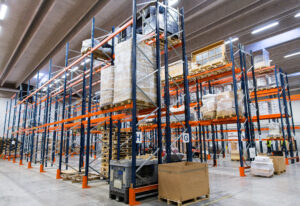
- Anchoring: This refers to securely fastening the pallet racking system to the concrete floor using bolts or specialized anchors. Proper anchoring prevents racks from tipping or shifting under the impact of forklifts, mechanical collisions, or even seismic activity, thereby maintaining structural stability and operational safety.
- Bracing: Bracing consists of diagonal or horizontal steel members connecting uprights to reinforce the structural integrity of the system. By reducing lateral movement and deformation, bracing allows the racking to withstand heavy loads and resist impact more effectively.
- Protective Guards: These are barriers, shields, or protectors fitted around rack uprights and at aisle ends. Their purpose is to absorb and deflect impacts from forklifts, pallets, or other moving equipment, preventing structural damage and maintaining safe warehouse operations.
- Impact Protection: This includes devices such as column guards, bollards, guard rails, and impact bars designed to minimize damage from collisions. By preventing costly repairs, protecting rack durability, and reducing accident risks, impact protection is an essential safeguard in busy warehouse environments.
»» Read more: Guide to Warehouse Racking Systems for Australian Businesses
How to Use Pallet Racking Terms for Better Communication
Understanding and correctly using pallet racking terminology not only improves communication with installers and warehouse staff but also helps ensure select the most suitable racking system for your operational needs.
Communicating Effectively with Installers
Using the correct pallet racking terminology plays a vital role in effective communication between businesses and installation teams. Referring to components by their proper names such as uprights, beams, bracing, baseplates, or decking eliminates misunderstandings, ensures accurate orders, and allows the installation process to proceed quickly and safely.
Moreover, communicating in standardized industry language helps technicians clearly understand requirements related to load capacity, storage spacing, and necessary safety accessories. This reduces the risk of costly delays or errors. Maintenance teams also benefit from precise terminology, as it makes identifying, repairing, and replacing components more efficient, while streamlining the handling of inspection reports.
Using Terminology to Choose the Right Pallet Rack
Understanding pallet racking terminology is not only useful during installation but also key to making informed decisions when selecting the right system. By knowing the differences between selective racking, drive-in racking, push-back racking, and pallet flow, warehouse managers can evaluate and choose the most suitable solution based on SKU volume, storage density, turnover speed, and accessibility requirements.
Using accurate terminology also makes discussions with suppliers and system designers more effective, ensuring the final installation meets load capacity standards, supports future scalability, and delivers optimal operational performance.
Safety Practices in Pallet Racking
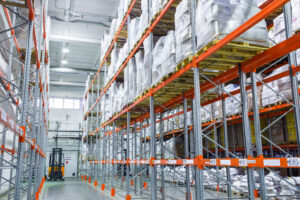
Beyond understanding and applying the correct terminology, safety remains the cornerstone of installing and operating any pallet racking system. Key principles to focus on include:
- Compliance with safety standards: Adhering to regulations such as AS 4084, which governs the design and installation of pallet racking systems.
- Proper loading and unloading practices: Avoid overloading racks and ensure goods are evenly distributed to prevent imbalance or collapse.
- Regular inspection and maintenance: Identify and address issues such as bent beams or loose bolts promptly to maintain structural integrity.
- Warehouse staff training: Equip employees with knowledge of safe handling procedures, load limits, and the ability to recognize potential hazards.
- Use of safety accessories: Install guard rails, column protectors, and safety bars to minimize collision risks and enhance overall warehouse safety.
Innovations in Pallet Racking
In the context of growing demand for commercial warehousing, smart technology is driving a new evolution in pallet racking systems. The integration of IoT sensors and RFID tags enables real-time inventory tracking, monitoring pallet movements, and instantly detecting discrepancies. These technologies also support predictive maintenance by identifying potential issues before they develop into critical failures. As a result, warehouses benefit from continuous system operation, reduced downtime, and significantly improved efficiency in modern inventory management.
»» Read more: How to Calculate Your Warehouse Storage Density
Why Choosing Vinatech for Your Pallet Racking Needs
When choosing a partner for pallet racking solutions, quality, reliability, and comprehensive service are decisive factors. Vinatech Australia has established itself as a trusted international brand, delivering storage solutions tailored to a wide range of industries, from retail and logistics to manufacturing and cold storage.
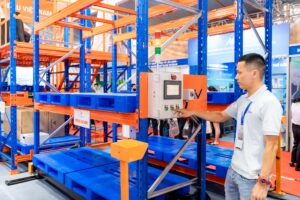
Vinatech Australia combines internationally certified products with expert consulting, design, and installation services. This integrated approach maximises warehouse space, boosts efficiency, and ensures long-term safety. Every solution is tailored to each business, from small facilities to large, complex warehouses.
Beyond delivering high-quality products, Vinatech Australia acts as a long-term strategic partner, providing ongoing support in maintenance, upgrades, and expansion as storage needs evolve. With a strong commitment to safety, sustainability, and efficiency, Vinatech is a trusted choice for any business looking to build a modern pallet racking system with the flexibility to grow in the future.
- Website: https://vinatech.com.au/
- Phone number: 0406 916 355
- Email: info@vinatech.com.au
- Address: 48/58 Cyber Loop, Dandenong South VIC 3175, Australia

My name is William Harris, and I am the Production Director at Vinatech Australia. I oversee the entire manufacturing operation for our industrial warehouse racking systems and the development of smart warehouse solutions.