

Pallet Racking Systems | 6 Types for Australian Warehouses
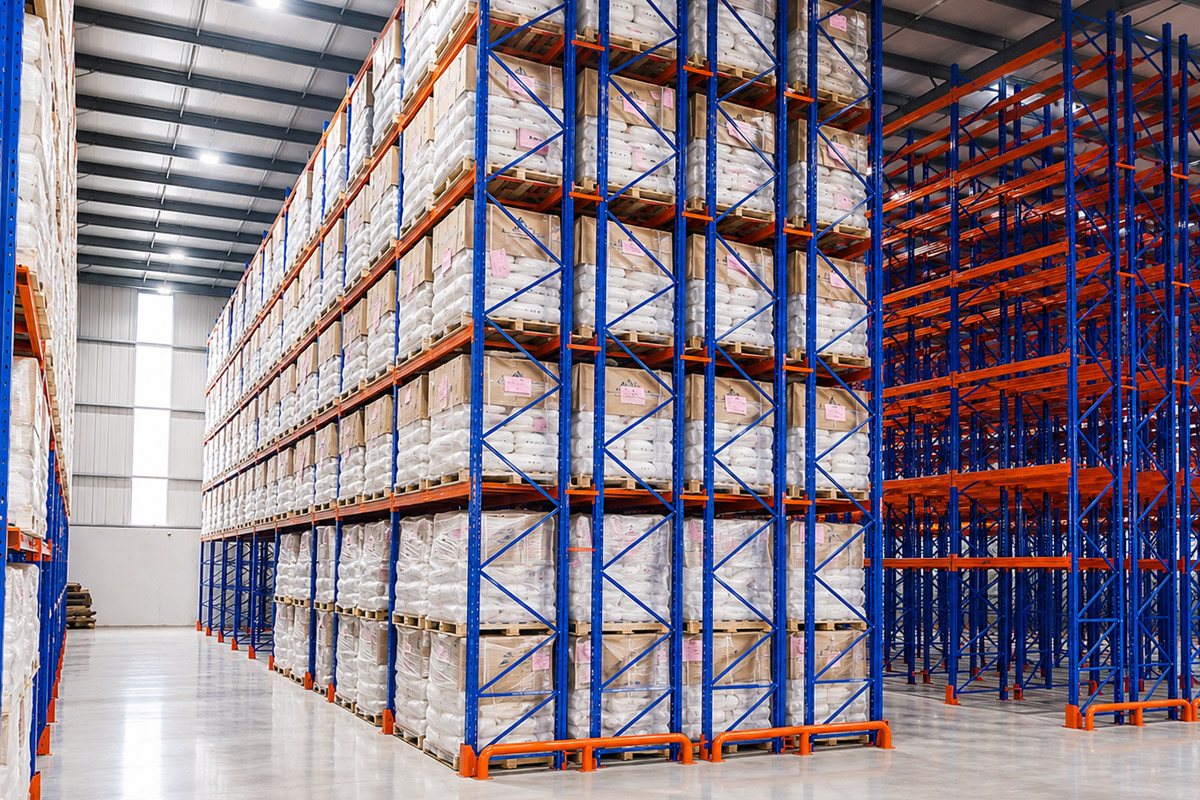
Pallet racking is a heavy-duty storage racking system specifically designed to store palletised goods across multiple levels within a warehouse. The system helps maximise vertical warehouse space, increase storage density, and support forklifts in handling and storing goods safely and efficiently.
In Australia, the 6 most common types of pallet racking are Selective, Drive-In, Double Deep, Pallet Flow, Push-Back and Shuttle racking, each suited to different storage and operational requirements.

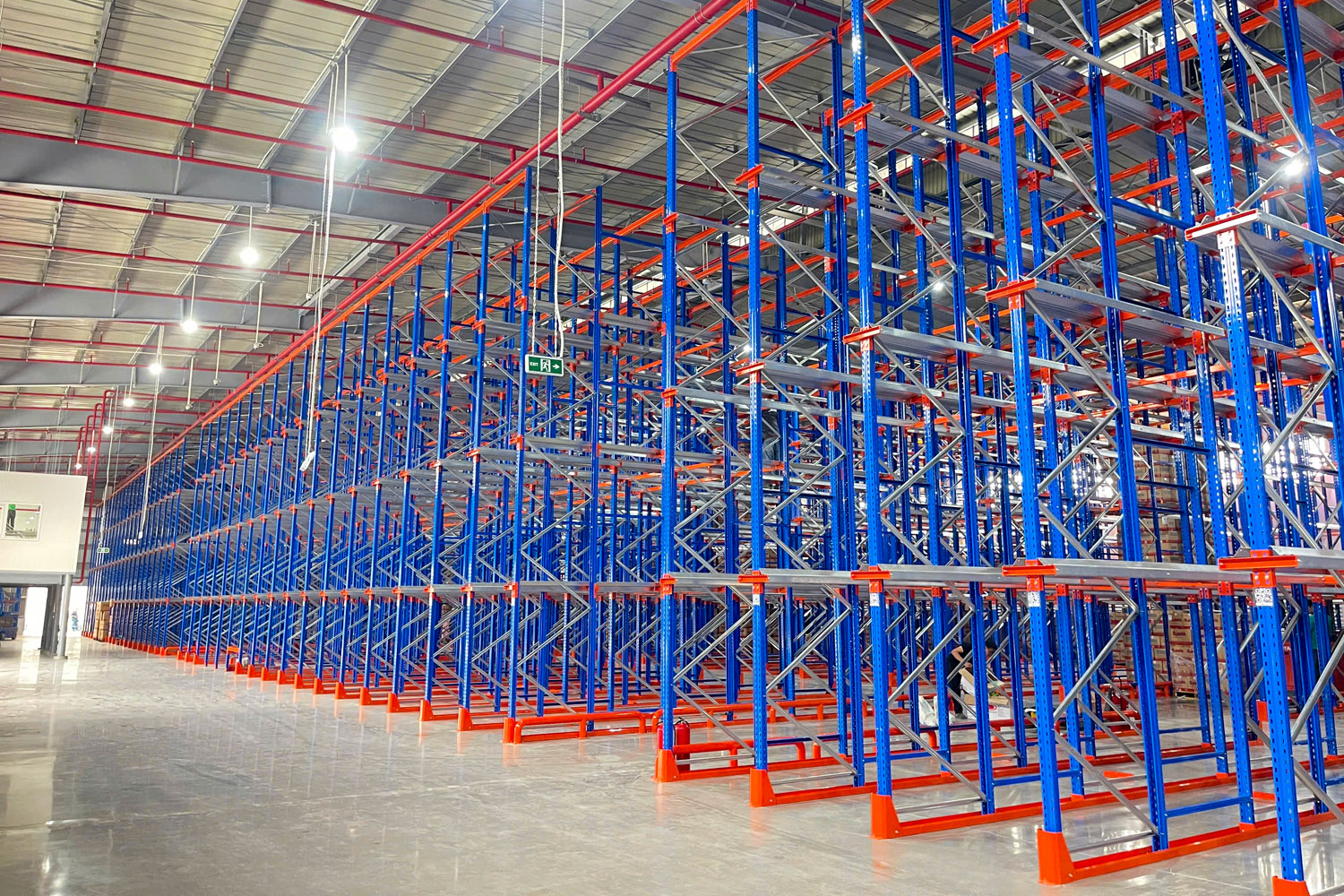
Let us help you
Leave your details and our team will contact you shortly for consultation. You’ll receive our product catalogue by email right away, if you don’t see it, please check your Promotions or Spam folder.
Planning Your Next Warehouse Project?
Let’s Make It Work Better Chat on WhatsApp
The 6 most common types of pallet racking in Australia
The six most common pallet racking systems used across Australia are Selective, Drive-In, Double-Deep, Pallet Flow, Push-Back and Radio Shuttle racking. Each system offers a different balance between storage density, pallet accessibility, stock rotation and handling requirements.
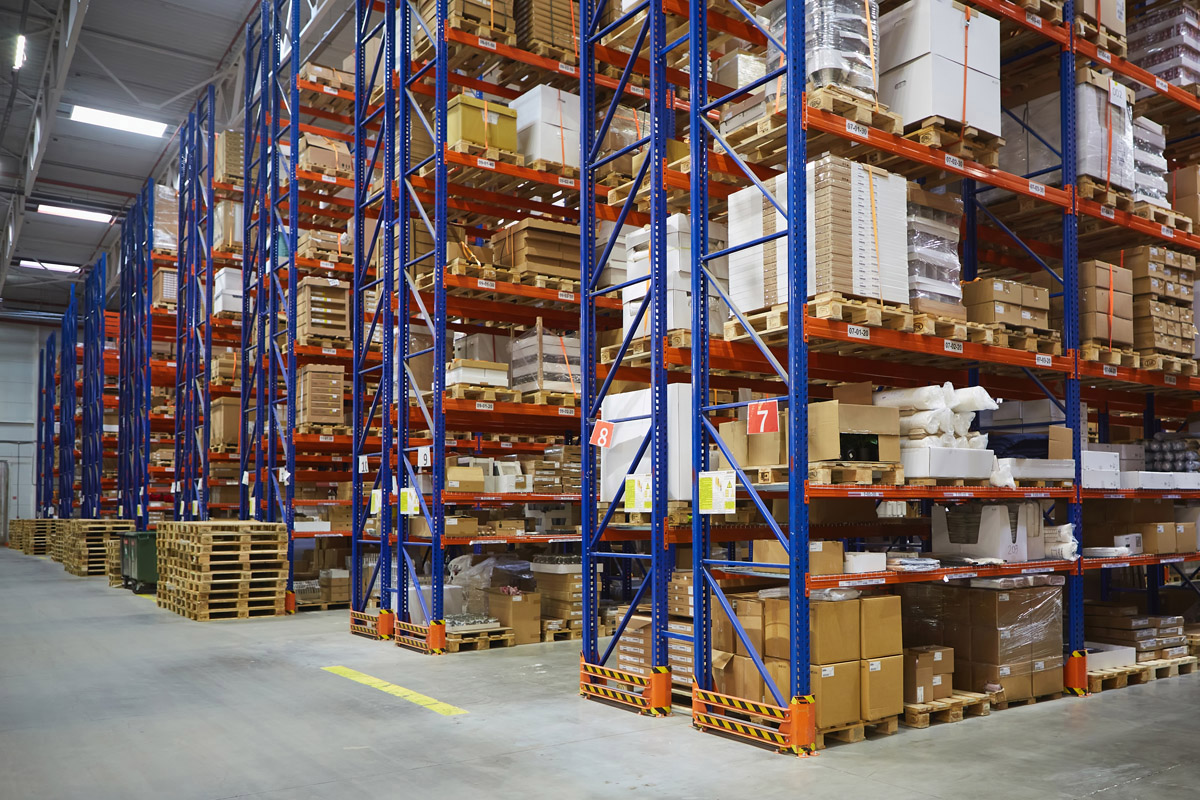
1. Selective Pallet Racking
Selective pallet racking is the most flexible option for warehouses that need direct access to a wide range of SKUs, making it one of the most widely used pallet storage systems in Australia. Unlike high-density systems that require pallets to be moved before reaching the stock behind them, Selective racking provides direct access to each pallet position.
Each pallet sits in its own individual lane and can be accessed by a standard counterbalance or reach truck. This allows warehouse teams to pick, replenish and conduct cycle counts on individual SKUs without repositioning other pallets.
- Access: 100% direct
- Density: Low
- Best for: High-SKU environments, frequent stock rotation, 3PL facilities, and operations where picking speed and inventory accuracy are critical.
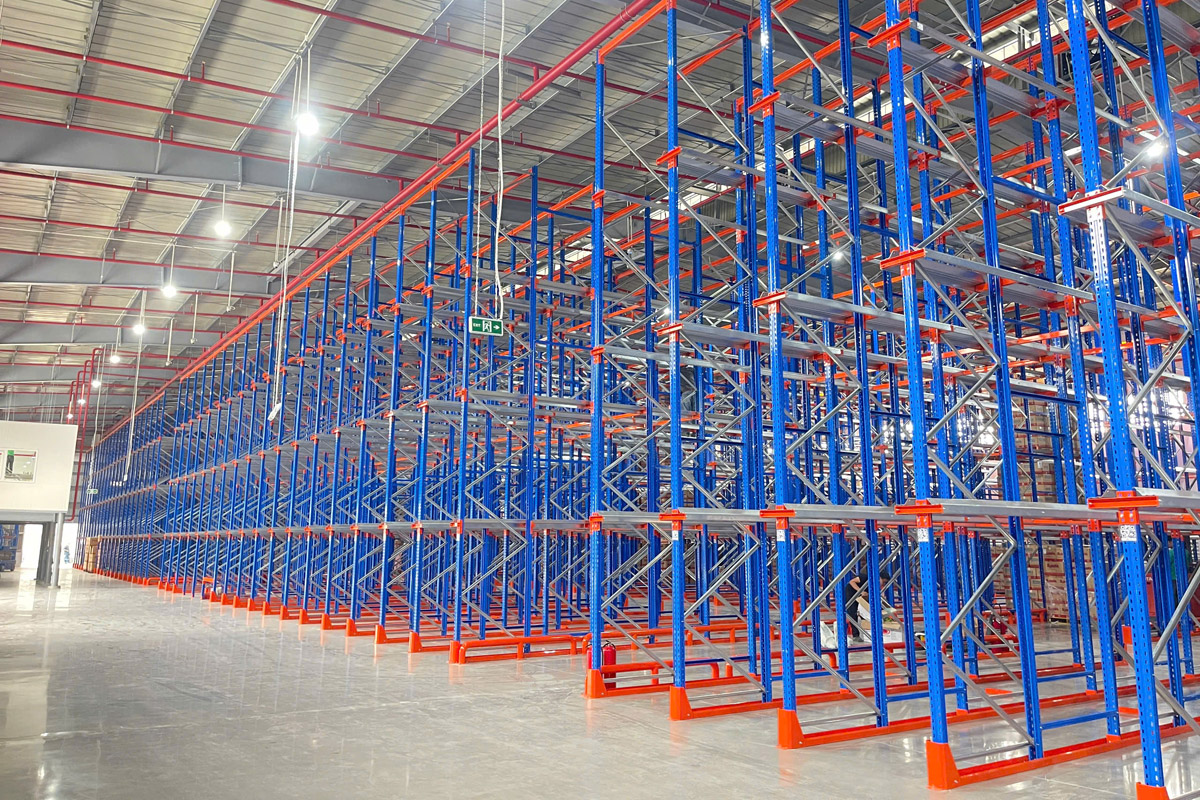
2. Drive-In and Drive-Through Racking
Drive-in racking are high-density systems designed to maximise pallet storage by reducing the amount of aisle space required. Instead of operating between conventional rack rows, forklifts enter the storage lanes to place or retrieve pallets.
Both configurations can achieve storage density increases of 60–85% compared to selective racking in equivalent floor areas.
- Access: Restricted (LIFO or FIFO sequence only)
- Density: Very high (60–85% more than selective)
- Best for: Bulk-storage operations with low SKU counts ambient grocery, beverages, building materials, and Australian cold stores
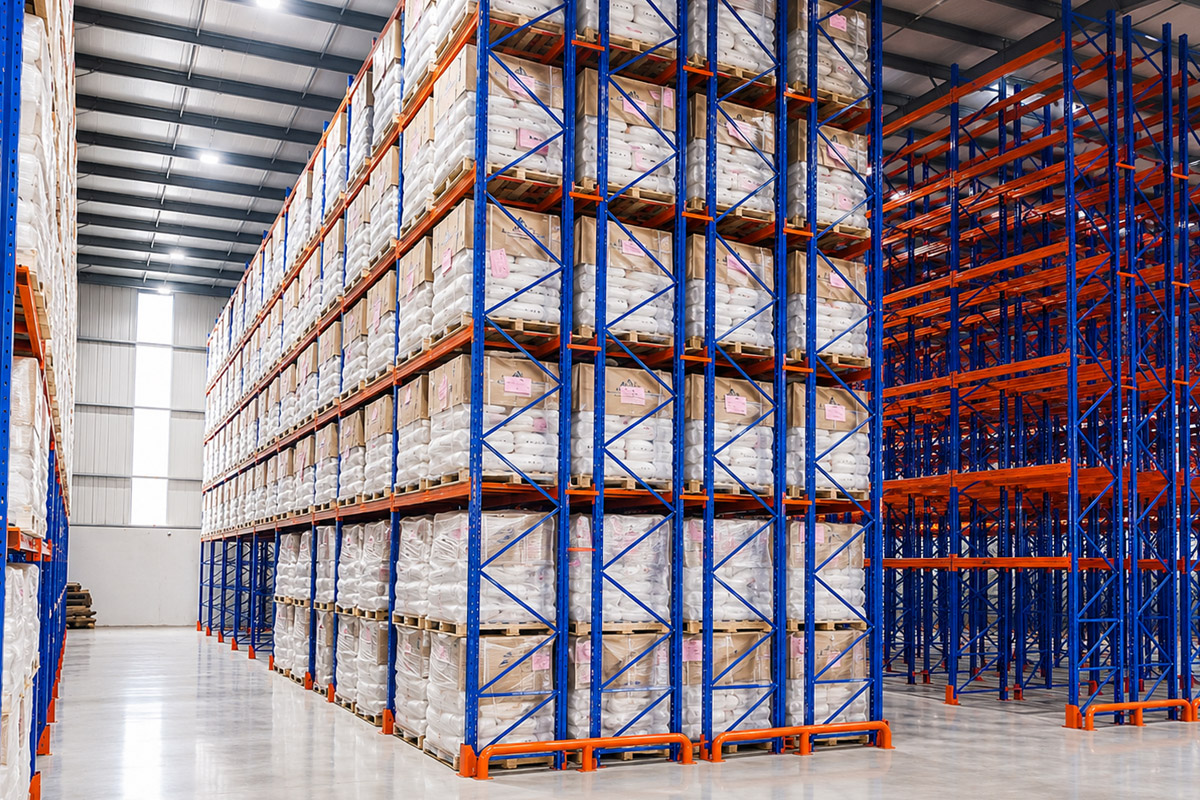
3. Double Deep Racking
Double deep racking provides higher storage density than Selective racking while retaining relatively straightforward pallet handling and warehouse access. The system places pallets two rows deep on each side of an aisle, increasing the number of storage positions available within the same aisle footprint.
The front pallet must be retrieved before the rear pallet can be accessed. As a result, the system sacrifices some direct accessibility in exchange for greater storage capacity. A double-deep reach truck equipped with a telescopic fork attachment is typically required to position and retrieve pallets stored in the rear position.
- Access: Partial (front pallet direct; rear pallet requires front removal)
- Density: Moderate–high (~2× selective per aisle)
- Best for: Operations with moderate SKU counts and multiple pallets per SKU
4. Pallet Flow Racking
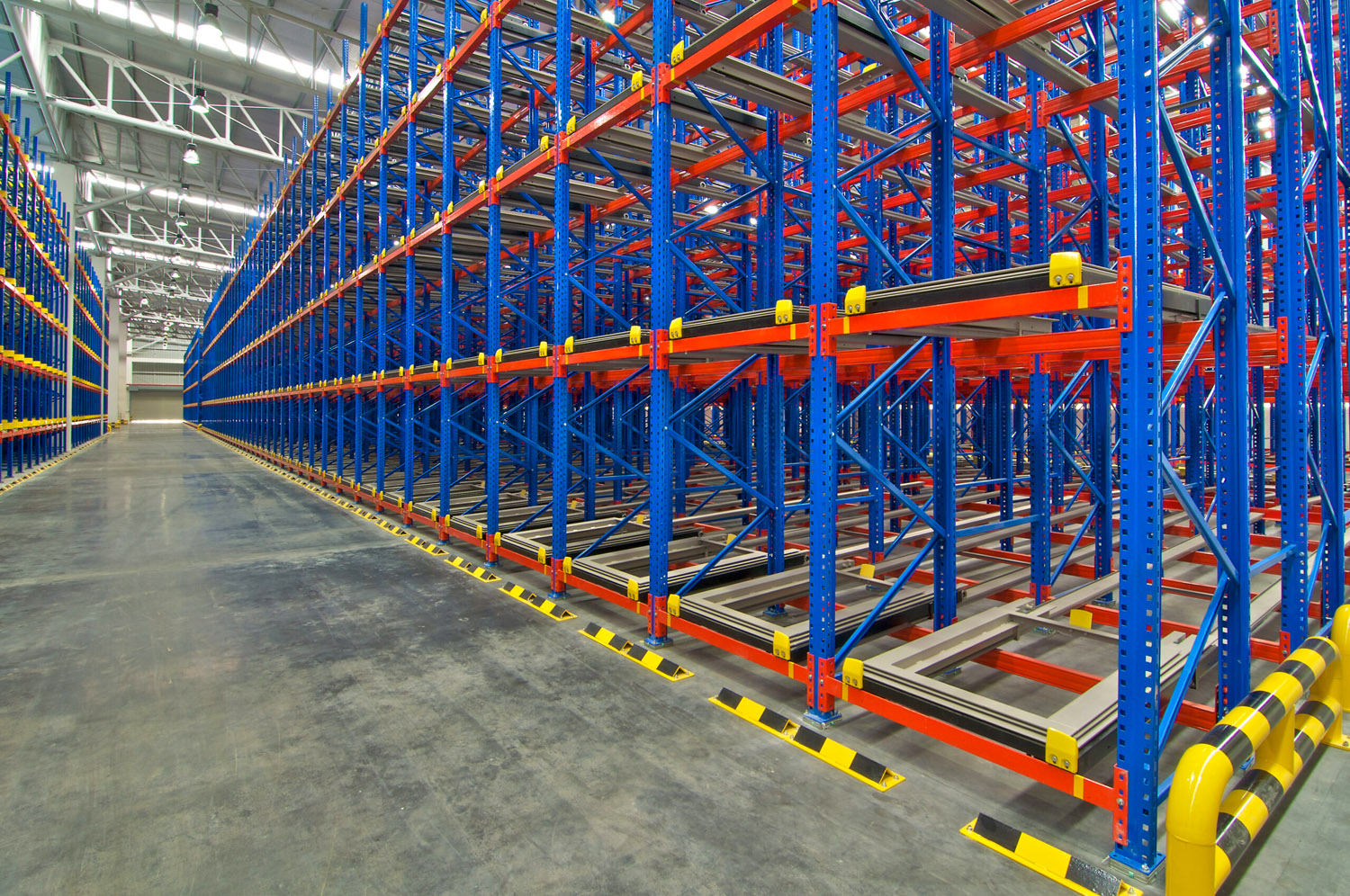
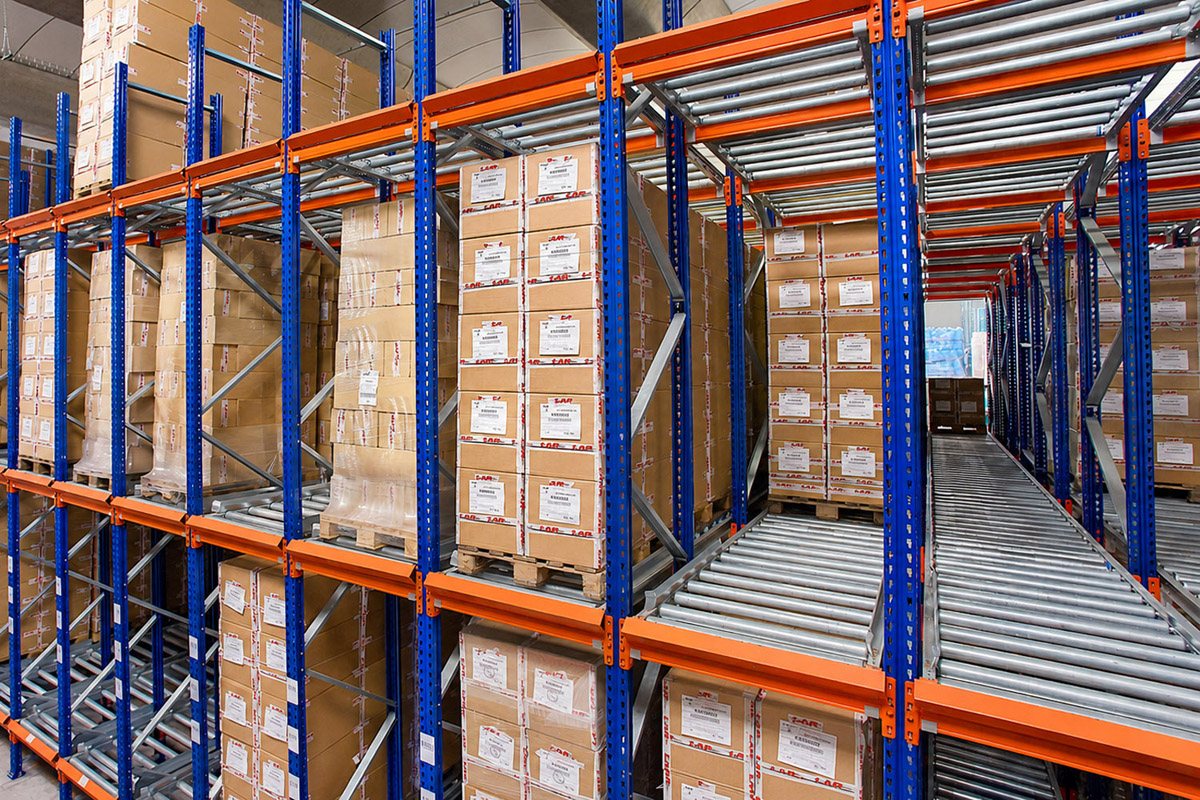
Pallet flow racking is designed for warehouses that require high-density storage combined with consistent First-In, First-Out (FIFO) stock rotation. The system uses roller or wheel tracks set on a slight incline so pallets move automatically from the loading side towards the picking face.
As the front pallet is removed, gravity moves the next pallet into position. This creates an organised product flow while reducing the need for manual repositioning.
- Access: Sequential FIFO only (front pallet auto-advances on removal)
- Density: High (deep lanes, fewer aisles)
- Best for: Cold storage, food, beverage, and pharmaceutical operations where FIFO is a regulatory requirement
5. Push-Back Racking
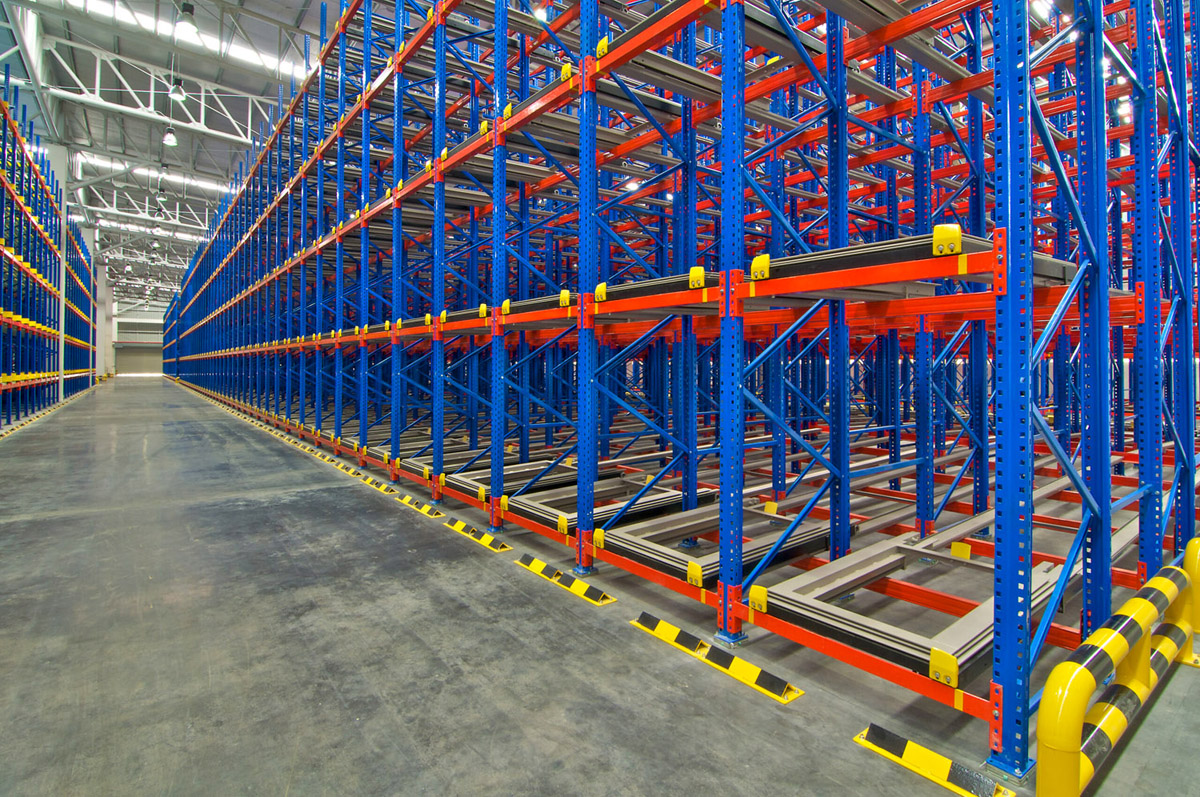
Push-back racking provides high-density LIFO method while allowing forklift operations to remain outside the rack structure. Pallets are stored on nested carts or carriers positioned on inclined rails, allowing newly loaded pallets to push existing pallets further back into the lane.
When the front pallet is removed, the remaining pallets move forward under gravity. Depending on the rack configuration, lanes can typically accommodate multiple pallets in depth.
- Access: Front-face LIFO only
- Density: High (2–5 pallets deep, no forklift entry required)
- Best for: FMCG, ambient grocery, and liquor distribution especially in high-cost metro warehouses in Sydney and Melbourne
6. Shuttle Racking System
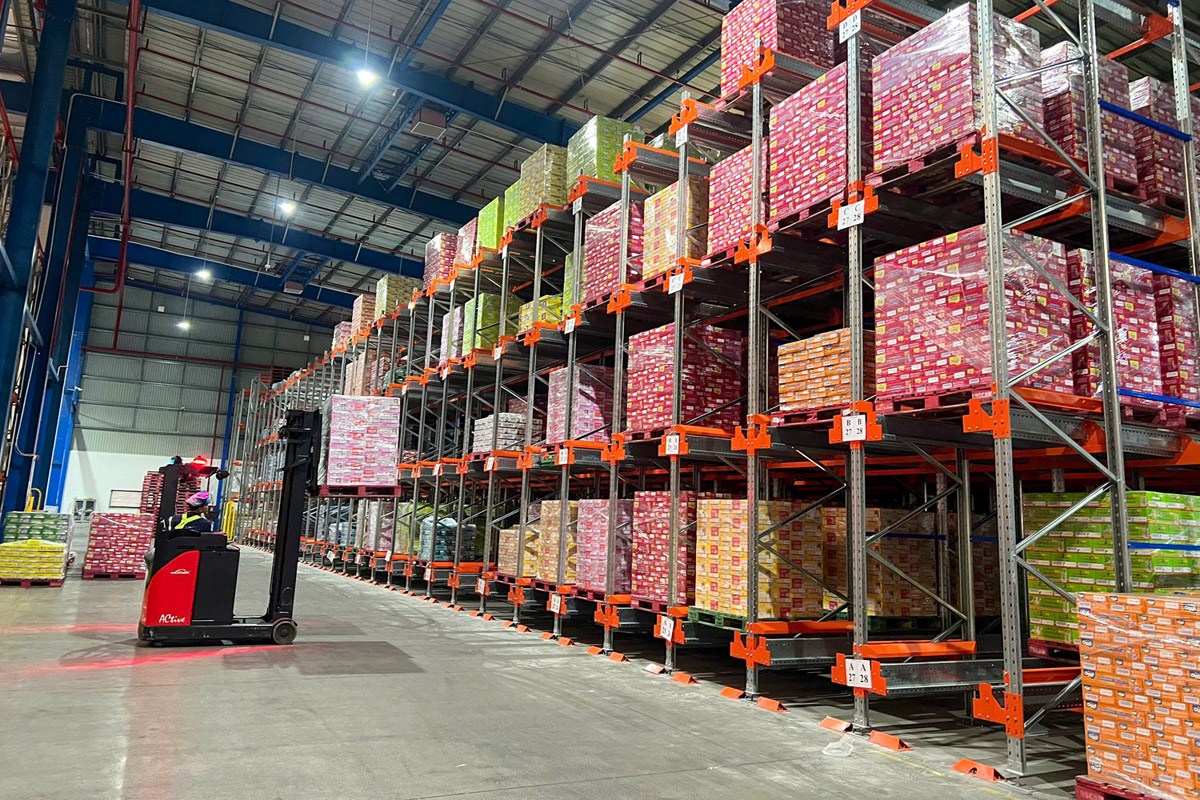
Shuttle racking system provides high-density LIFO storage while allowing forklift operations to remain outside the rack structure. Pallets are stored on nested carts or carriers positioned on inclined rails, allowing newly loaded pallets to push existing pallets further back into the lane.
When the front pallet is removed, the remaining pallets move forward under gravity. Depending on the rack configuration, lanes can typically accommodate multiple pallets in depth.
- Access: Configurable LIFO or FIFO
- Density: Highest of all conventional systems
- Best for: High-throughput DCs, automated cold stores, and large-volume operations widely adopted by Australian grocery, pharmaceutical, and 3PL operators.
CONSULTATION ON PALLET RACKING SYSTEMS FOR YOUR WAREHOUSE
Call: 0485 083 868 Get In Touch
Comparison of Pallet Racking Systems
Each pallet racking systems offers different advantages in terms of storage density, pallet accessibility, stock rotation and forklift requirements. Compare the key features below to identify the most suitable solution for your warehouse operations.
👉 Swipe horizontally to see all the information
| Racking System | Best For | Storage Density | Pallet Access | Stock Rotation | Suitable Forklift |
|---|---|---|---|---|---|
| Selective Pallet Racking | High SKU warehouses, fast picking, retail, 3PL | Standard | Direct access to every pallet | FIFO | Counterbalance, Reach Truck |
| Double Deep Racking | Medium SKU count, higher pallet capacity, bulk storage | High | Front pallet direct; rear pallet accessed via front | LIFO | Reach Truck (Double Deep) |
| Drive-In Racking | Bulk storage, cold storage, food & beverage, seasonal inventory | Very High | Lane-based access; forklift enters rack | LIFO | Counterbalance Forklift |
| Push-Back Racking | Medium SKU count, high-density storage, fast-moving inventory | High | Front pallet access; pallets move forward automatically | LIFO | Counterbalance, Reach Truck |
| Pallet Flow Racking | FIFO inventory, food, beverage, pharmaceuticals, high-throughput warehouses | High | Loading and picking from opposite sides | FIFO | Counterbalance, Reach Truck |
| Shuttle Racking System | High-volume distribution, cold storage, automated warehouses | Very High | Shuttle retrieves pallets; forklift remains outside lanes | FIFO or LIFO | Standard Forklift + Pallet Shuttle |
Pallet Racking Structure and Components
A pallet racking systems depends on a combination of structural components and safety accessories to support pallet loads, maintain rack stability and protect the installation during daily warehouse operations. Selecting the correct components is essential for achieving the required load capacity and maintaining safe, reliable performance.
Primary Structural Components
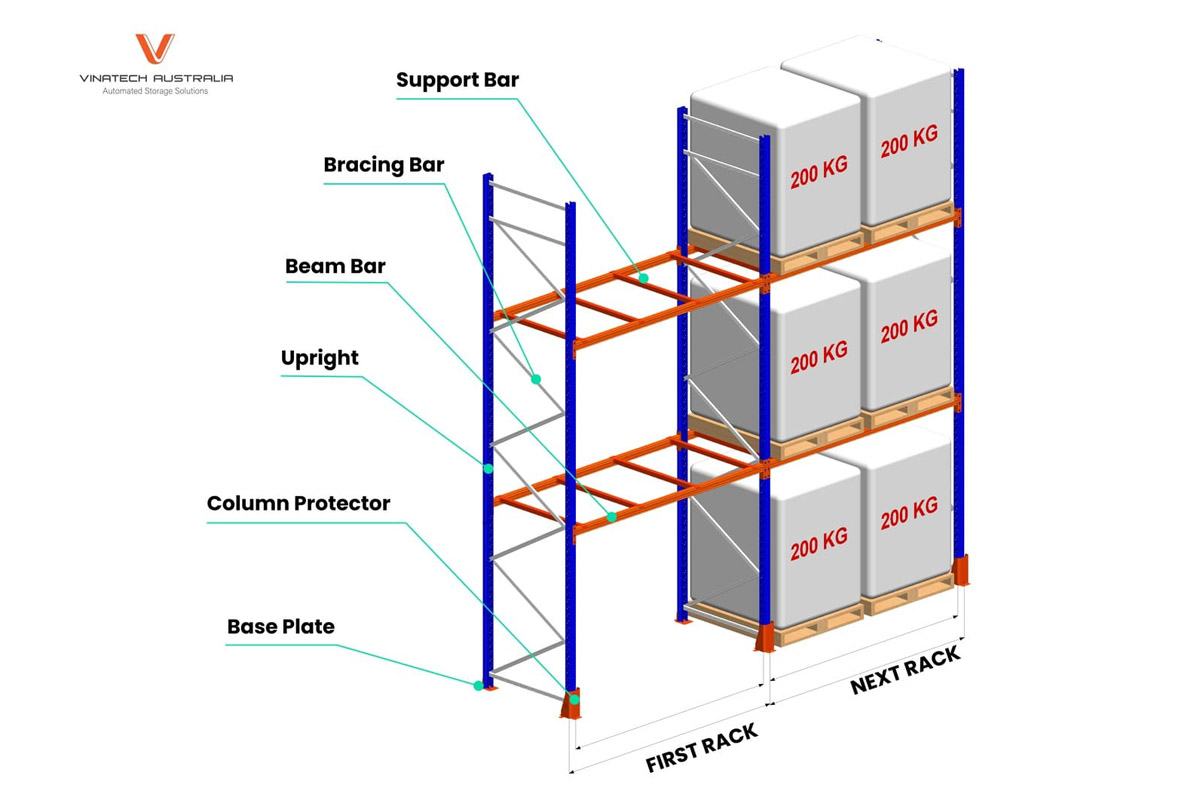
Pallet racking consists of upright frames, load beams, and supporting accessories that create safe and efficient storage levels for palletized goods. Components such as decking, anchors, and protectors improve stability and safety, while bays and aisles ensure organized warehouse operations.
- Upright: The primary vertical frame that supports the entire warehouse pallet racks structure and transfers loads safely to the floor.
- Beam Bar: Horizontal beams that connect uprights and support pallet loads across each storage level.
- Bracing Bar: Reinforcement members that increase frame stability and improve structural rigidity.
- Support Bar: Additional supports that strengthen beams and provide extra stability for pallets or decking.
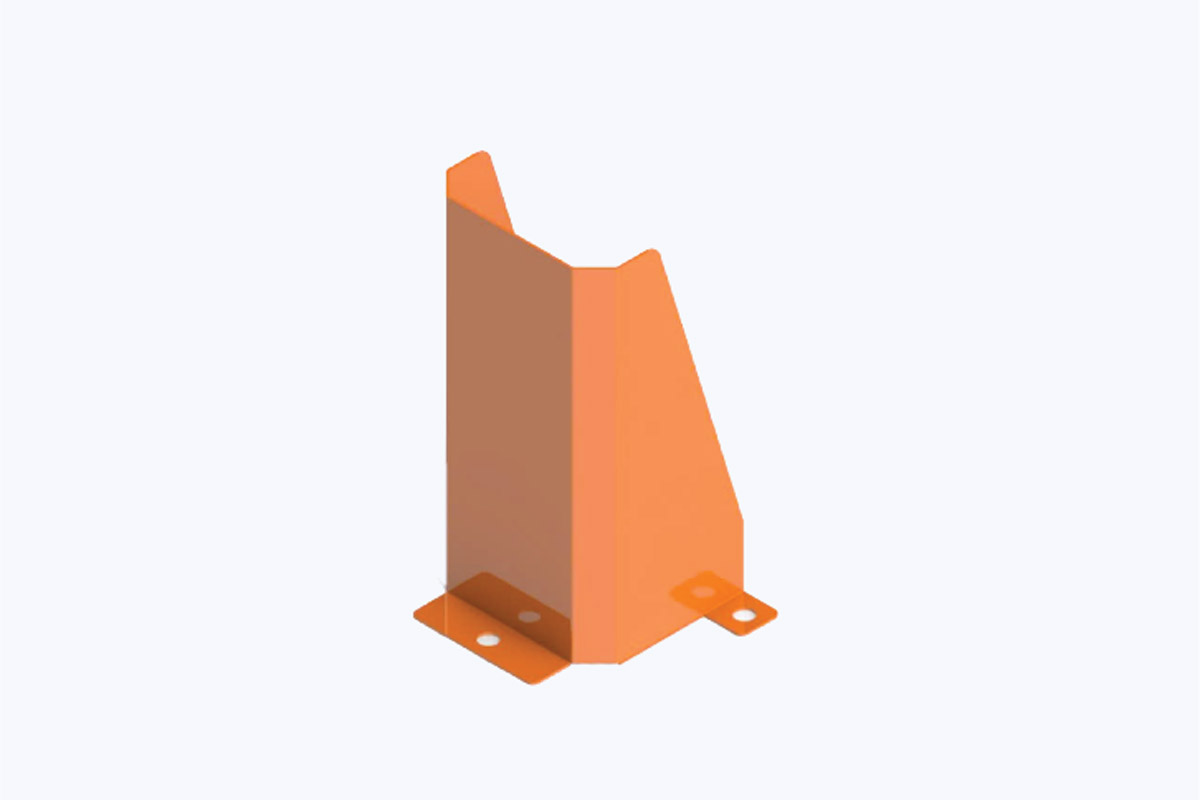
- Column Protector: Steel guards installed at the base of uprights to minimise damage from forklift impacts.
- Base Plate: Anchor plates that secure the uprights to the concrete floor, ensuring maximum stability.
Supporting Accessories
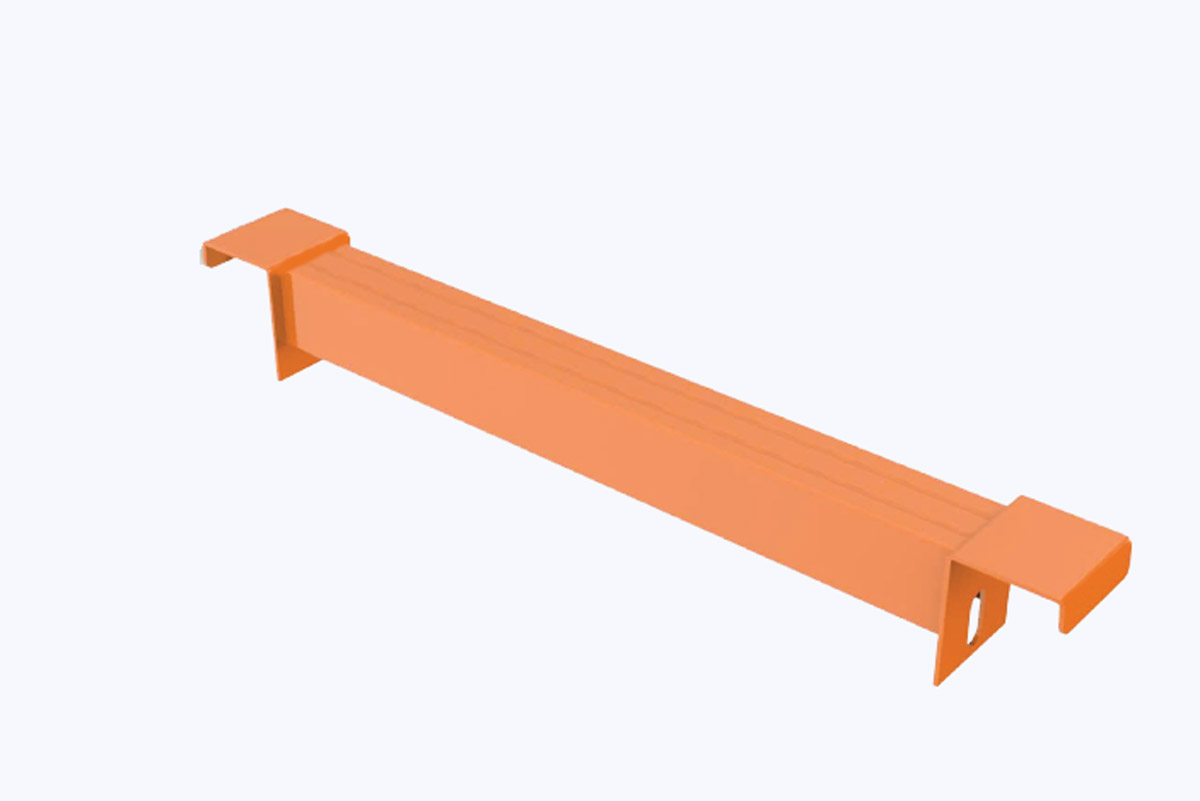
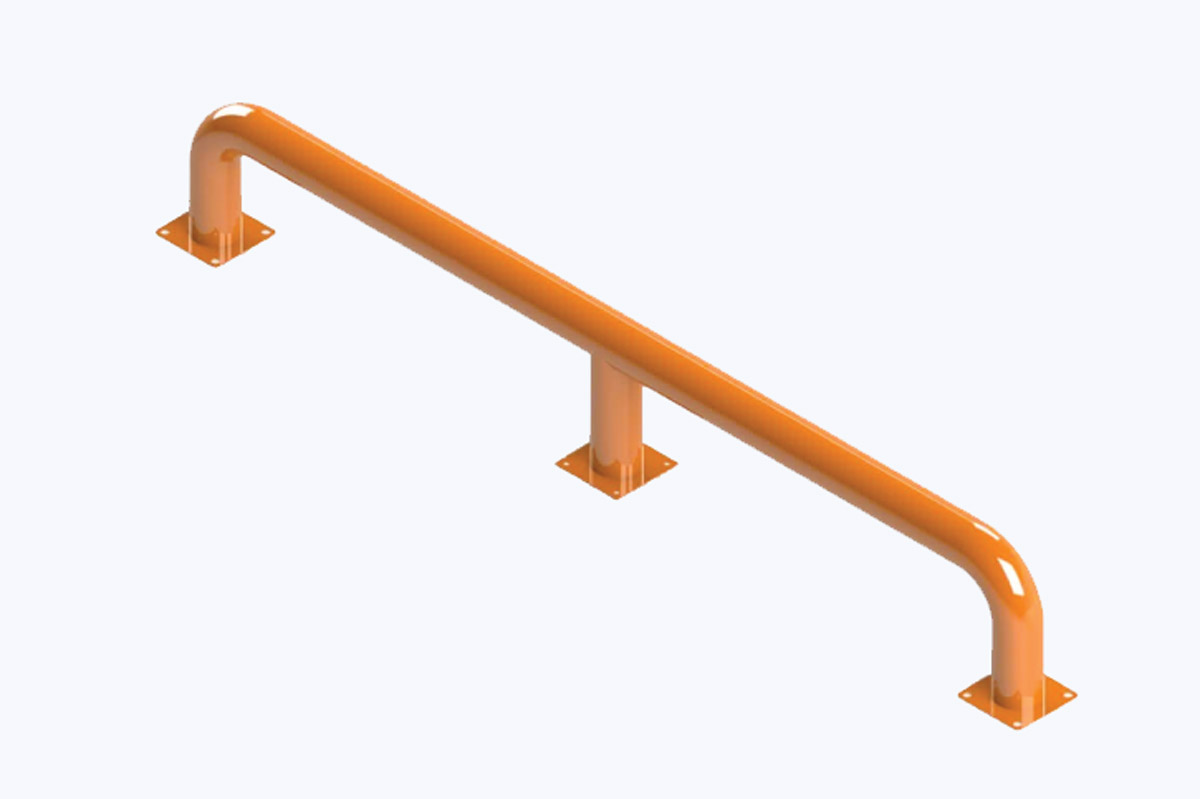
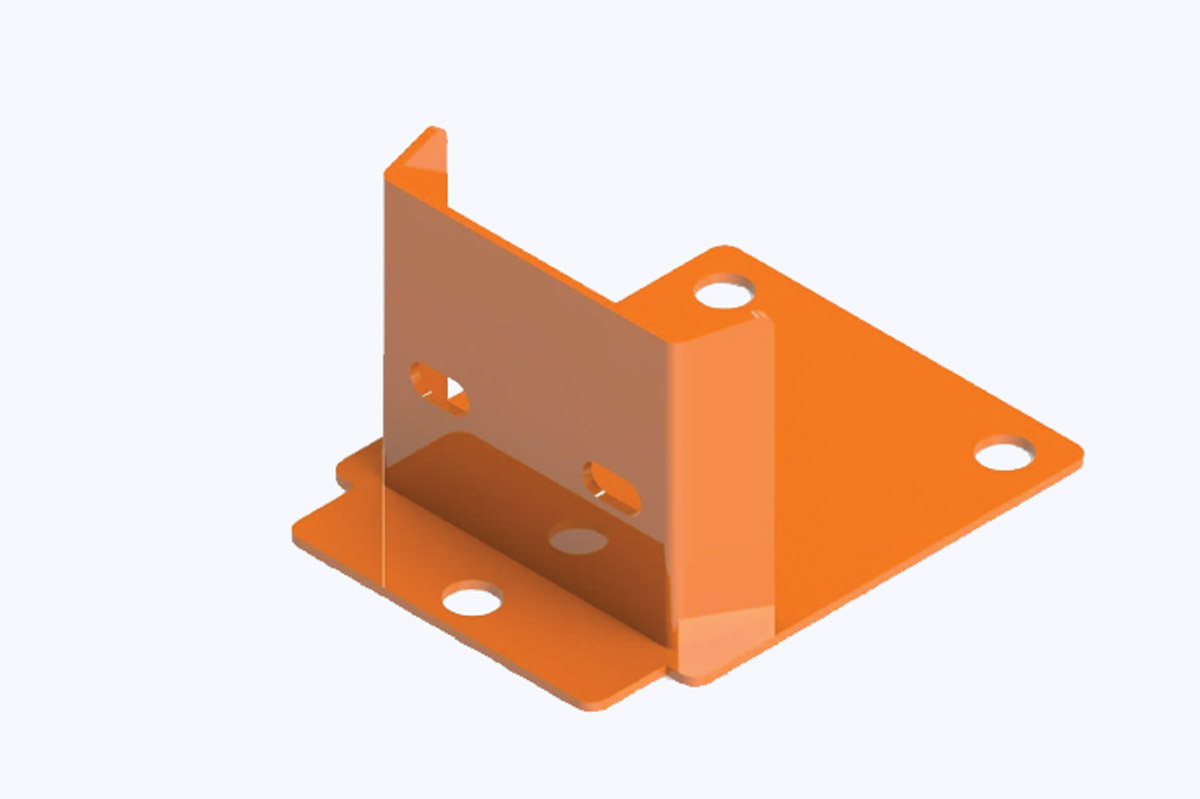
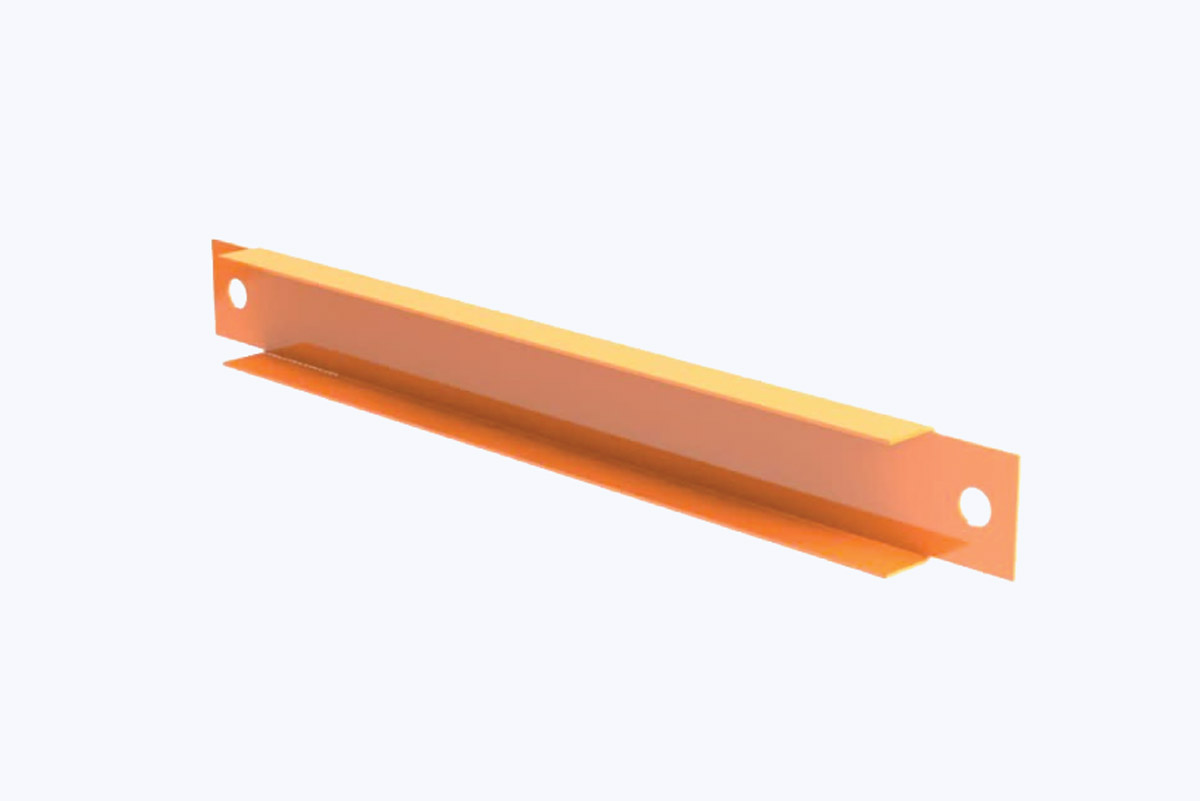
Several supporting accessories are commonly used to improve the safety, stability and functionality of pallet rack systems, including Support Bars, Connecting Bars, Foot Bases, Foot Base Covers, Single Crash Barriers and Double Crash Barriers.
- Support Bar: Installed between beams to provide additional support for pallets, wire mesh decks or heavy loads, helping improve load distribution and beam stability.
- Connecting Bar: Connects adjacent racking frames to enhance overall structural rigidity and maintain proper rack alignment.
- Foot Base: Heavy-duty steel base plate that anchors the upright securely to the concrete floor, ensuring maximum stability and safe load transfer.
- Foot Base Cover: Protective cover fitted over the foot base to improve appearance and help protect anchors from dust, debris and minor impacts.
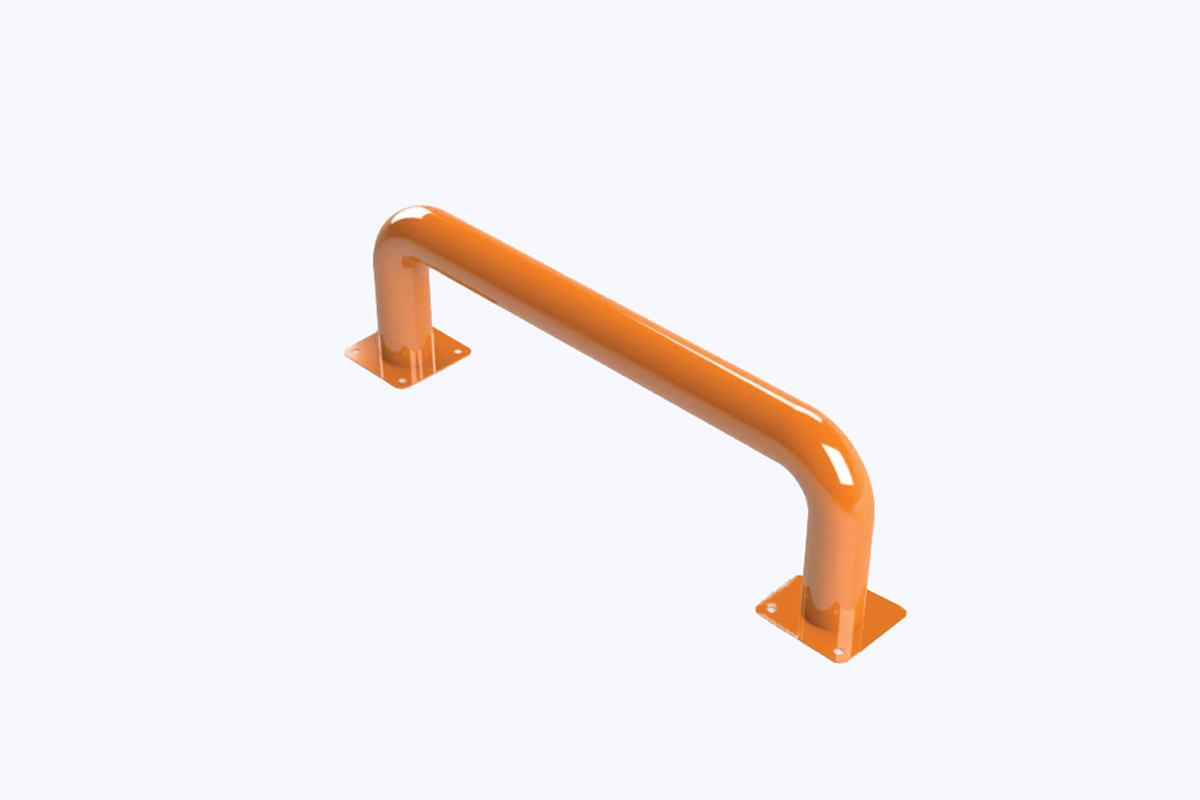
- Single Crash Barrier: Floor-mounted steel barrier designed to protect individual rack uprights from accidental forklift collisions, reducing structural damage and maintenance costs.
- Double Crash Barrier: Heavy-duty protective barrier that safeguards two adjacent rack uprights, providing enhanced impact protection in high-traffic warehouse areas.
Read more: Industrial Warehouse Racking | 7 Types for Australian Warehouses
Applications of Warehouses Pallet Racking
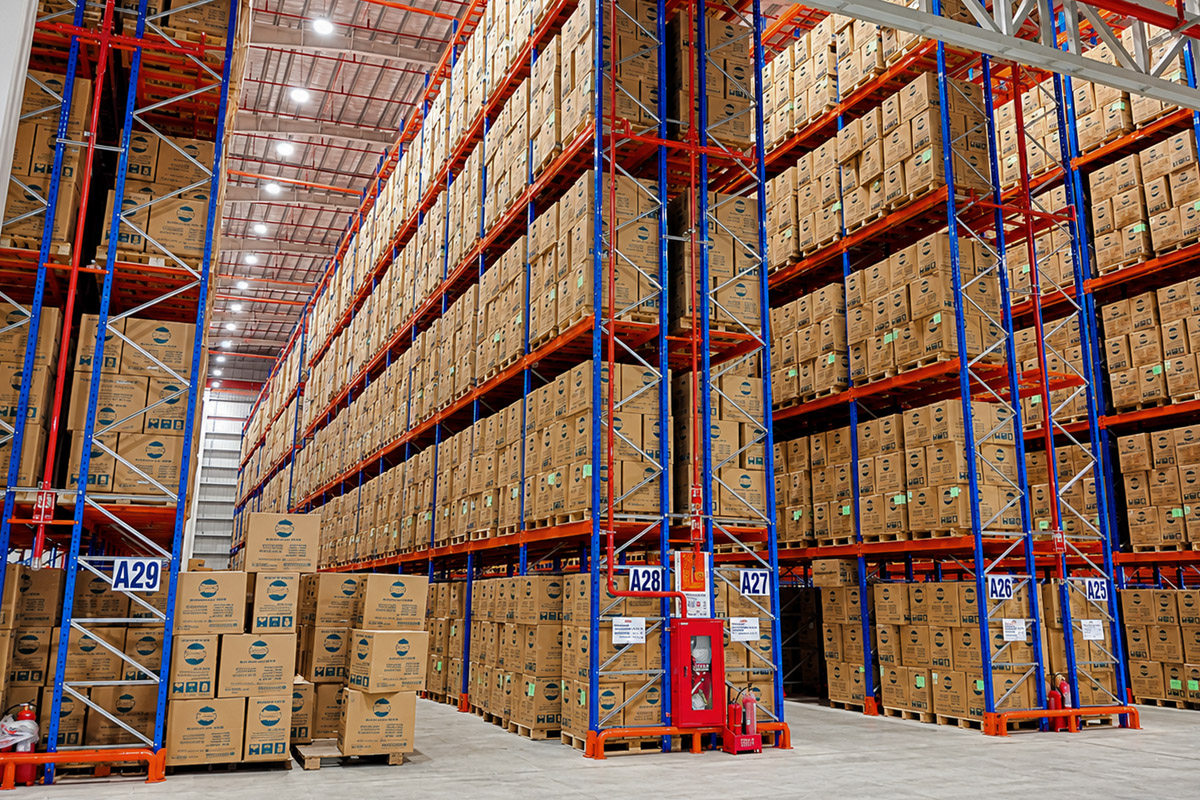
Warehouse pallet racks are widely used across a variety of industries to improve warehouse storage capacity, streamline inventory management and support efficient material handling. Whether storing fast-moving consumer goods or heavy industrial products, the right pallet racking solution helps businesses maximise available space while improving operational productivity.
- Logistics, 3PL & Distribution: Ideal for logistics providers, distribution centres and wholesale warehouses handling high pallet volumes, diverse inventories and frequent inbound and outbound operations.
- Retail & E-commerce: Supports large SKU ranges, fast order picking and efficient inventory management, making it ideal for retail distribution centres and e-commerce fulfilment warehouses.
- Food, Beverage, Cold Storage & Pharmaceuticals: Supports FIFO or LIFO inventory management while maintaining product quality for food, beverages, dairy products, pharmaceuticals and other temperature-sensitive goods stored in refrigerated environments.
- Manufacturing & Automotive: Provides organised storage for raw materials, work-in-progress (WIP), finished products, automotive parts and industrial components, helping improve material flow and production efficiency.
- FMCG & Consumer Goods: Enables rapid stock replenishment, efficient pallet handling and high inventory turnover for fast-moving consumer goods and large-scale distribution operations.
- Building Materials & Heavy Industry: Designed to safely store heavy, bulky and oversized palletised products while making full use of available warehouse height and storage capacity.
Discover how different industries use pallet racking to optimise warehouse storage.
Pallet Racking Dimensions & Specifications in Australia
- Pallet Racking Dimensions: Beam lengths range from 1,372 – 4,500 mm, with frame heights of 3,048 – 6,096 mm and depths of 838 – 1,219 mm. Upright profiles range from 90 × 68 mm to 200 × 180 mm, beam profiles from 50 × 80 mm to 50 × 200 mm, and load capacities from 540 – 4,500 kg per pair of beams.
- Pallet Racking Standards: AS 4084:2023 covers the design, operation and maintenance of steel storage racking. Racking should operate within its specified SWL, with formal inspections at least every 12 months.
- Standard Australian Pallet Size: A standard pallet measures 1,165 × 1,165 × 150 mm and weighs approximately 38 kg, with a load capacity of up to 2,000 kg under suitable conditions.
- Forklift Clearances in Australia: Forklift aisles typically range from 3.0 – 4.0 m for wide aisles and 2.4 – 3.0 m for narrow aisles, depending on the forklift and warehouse layout. Forklift and pedestrian separation markings should be at least 100 mm wide.
EXPLORE OUR PALLET RACKING SPECIFICATIONS
Discover detailed racking configurations, dimensions and load capacities to help you choose the right solution for your warehouse.
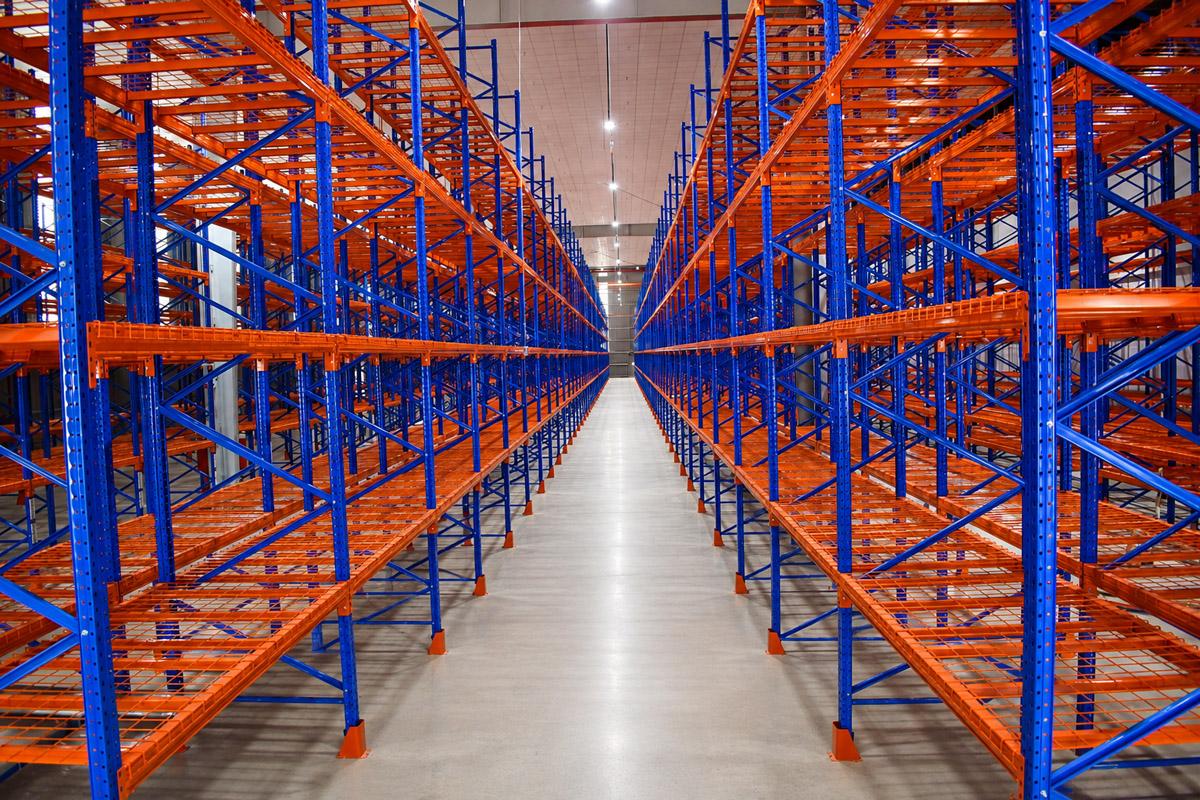
Whether you choose Selective, Drive-In, Double Deep, Pallet Flow, Push-Back or Shuttle racking, the final configuration should match your warehouse layout, pallet dimensions, SKU profile, stock rotation requirements and handling equipment.
Vinatech Australia provides customised pallet racking solutions designed around specific warehouse requirements, including layout planning, rack configuration and high-density storage solutions.
Vinatech Australia: Smart Warehouse & Pallet Racking Solutions
- Website: https://vinatech.com.au/
- Phone number: 0485 083 868
- Email: info@vinatech.com.au
- Address: 34 Paramount Bvd, Cranbourne West VIC 3977
FAQs about Pallet Racking
What is pallet racking?
Pallet racking is a material handling storage system built from vertical steel uprights and horizontal load beams, designed to store goods stacked on pallets across multiple horizontal rows and vertical levels.
What type of pallet racking is best for my warehouse?
The right pallet racking system depends on your pallet size, load requirements, available floor space, storage density, stock turnover and handling equipment. Selective, Double Deep, Push Back, Drive-In, Pallet Flow and VNA racking each suit different warehouse operations and storage requirements.
How much weight can pallet racking hold?
Pallet racking load capacity depends on the beam profile, beam length, upright specification, number of storage levels and overall configuration. Vinatech pallet racking systems offer load capacities from 540–4,500 kg per pair of beams, depending on the selected specification and beam length.
What pallet size is commonly used in Australia?
A commonly used Australian pallet measures 1,165 × 1,165 × 150 mm and weighs approximately 38 kg, with a load capacity of up to 2,000 kg under suitable conditions. Pallet dimensions and load characteristics should be considered when selecting the appropriate racking configuration.
How do I choose the right pallet racking system?
Start by assessing your pallet dimensions and weight, required storage capacity, available warehouse space, forklift type and desired accessibility. Racking dimensions can also vary depending on the application, with Vinatech configurations including beam lengths of 1,372–4,500 mm, frame heights of 3,048–6,096 mm and depths of 838–1,219 mm. Racking design and operation should also consider Australian Standard AS 4084:2023.
Request a Consultation
From engineering and permitting to installation, we manage every stage of your warehouse project. Our team handles the details, so you can focus on your operations.

William Harris is the Production Director at Vinatech Australia, with more than 10 years of experience in industrial warehouse racking, manufacturing, warehouse optimisation and smart storage technologies. His professional background combines engineering, production management and warehouse operations, enabling him to oversee the development of storage systems designed for safety, durability, efficiency and long-term operational performance.