


Pallet racking plays a vital role in warehouse operations, but its safety depends on more than how much weight it can hold. AS4084 sets out Australian standards for the design, operation and maintenance of steel storage racking. Understanding these requirements helps warehouse operators manage risks, prevent structural damage and keep their storage systems safe throughout daily use.
What is AS4084?
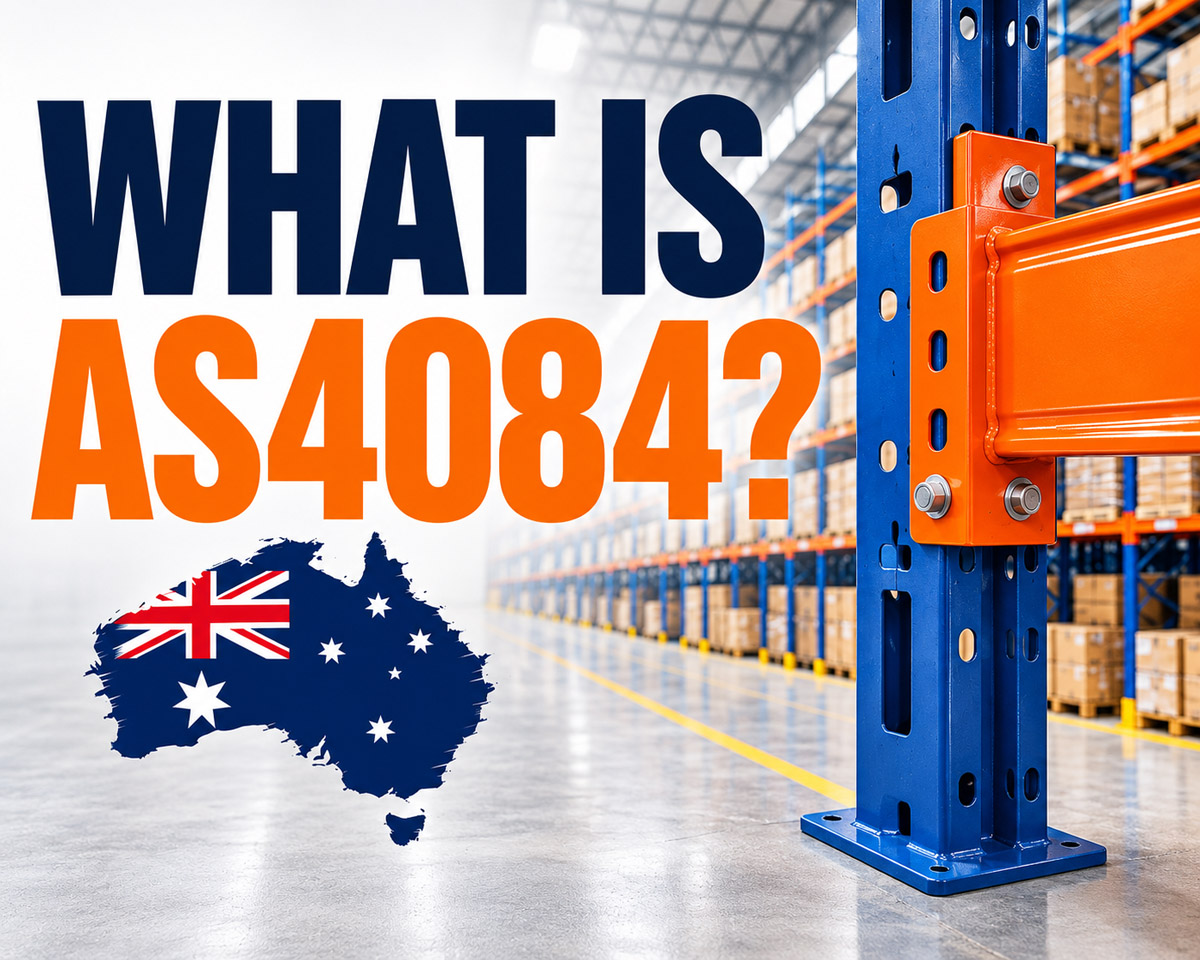
AS4084 is the Australian Standard for steel storage racking. It provides technical requirements and safety guidance to help ensure racking systems are properly designed, installed, operated and maintained.
The standard is particularly relevant to warehouses using adjustable pallet racking, where heavy loads are stored at height and forklifts operate around the structure.
AS4084 addresses several important areas:
- Structural safety: Ensuring racking is designed to support its intended loads.
- Load management: Establishing safe working load limits.
- Installation: Maintaining appropriate fixings, tolerances and clearances.
- Inspection and maintenance: Identifying damage before it becomes a serious hazard.
AS4084 is not automatically a legal requirement in every circumstance. However, Australian businesses have workplace health and safety obligations, and relevant standards can help demonstrate how those risks are being managed.
Read more: Selective Pallet Racking: Specifications, Components and Applications
Which racking systems does AS4084 cover?
The design provisions in AS 4084.1:2023 primarily apply to adjustable static pallet racking made from steel, including systems installed indoors or outdoors.
AS 4084.2:2023 focuses on the installation, operation and maintenance of freestanding steel racking inside buildings where material handling equipment is used.
Specialised systems such as drive-in, cantilever and mobile racking fall outside the direct scope of these parts and may require other relevant design and safety guidance.
AS4084:2012 vs AS4084:2023 – What has changed?
The 2023 revision replaced the previous AS 4084:2012 standard with two separate documents, making it easier to distinguish structural design requirements from day-to-day operational responsibilities.
| Standard | Main focus |
| AS 4084:2012 | Combined design, installation, operation and maintenance requirements |
| AS 4084.1:2023 | Structural design, analysis and testing |
| AS 4084.2:2023 | Installation, operation, inspection and maintenance |
The updated standards provide further guidance on structural design, competent personnel, damage assessment, maintenance records and safe operation.
Does existing racking need to be upgraded?
Not necessarily. Racking installed before 2023 does not automatically need to be replaced simply because the standard has changed.
However, existing systems should remain safe for their intended use. If racks have been damaged, modified, relocated or subjected to different loads, a competent person should assess whether further action is required.
For older installations, reviewing the original design documentation and previous inspection reports is a sensible starting point.
Key AS4084 Compliance Requirements
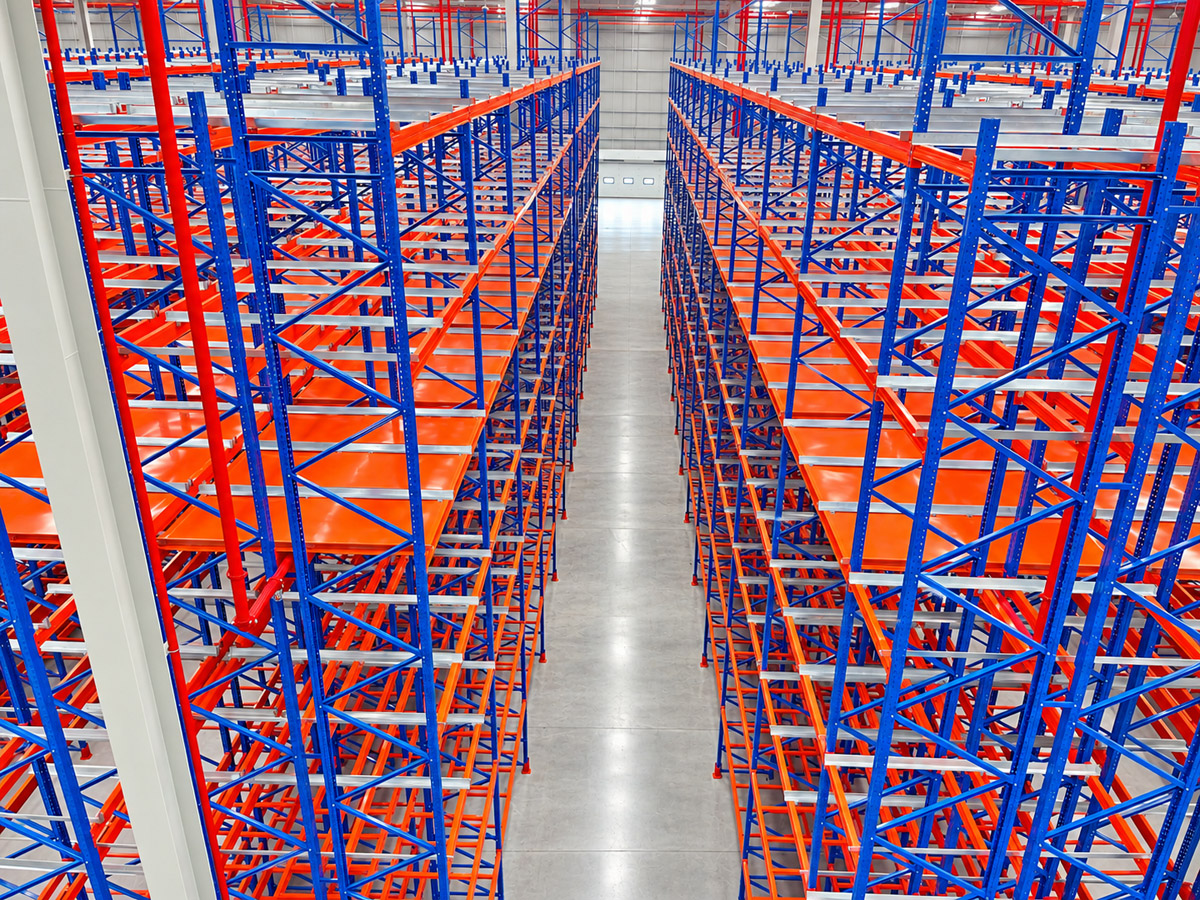
A safe racking system is not just about strong steel components. Its load capacity, configuration and everyday use must all work together.
Structural Design and Load Capacity
Every pallet racking system has load limits based on its design and configuration. Operators must understand the maximum weight allowed for individual pallets, beam levels and entire bays.
Overloading can damage beams, connections or even cause structural failure. Changes to beam heights may also affect load capacity, so any adjustments should be assessed before use.
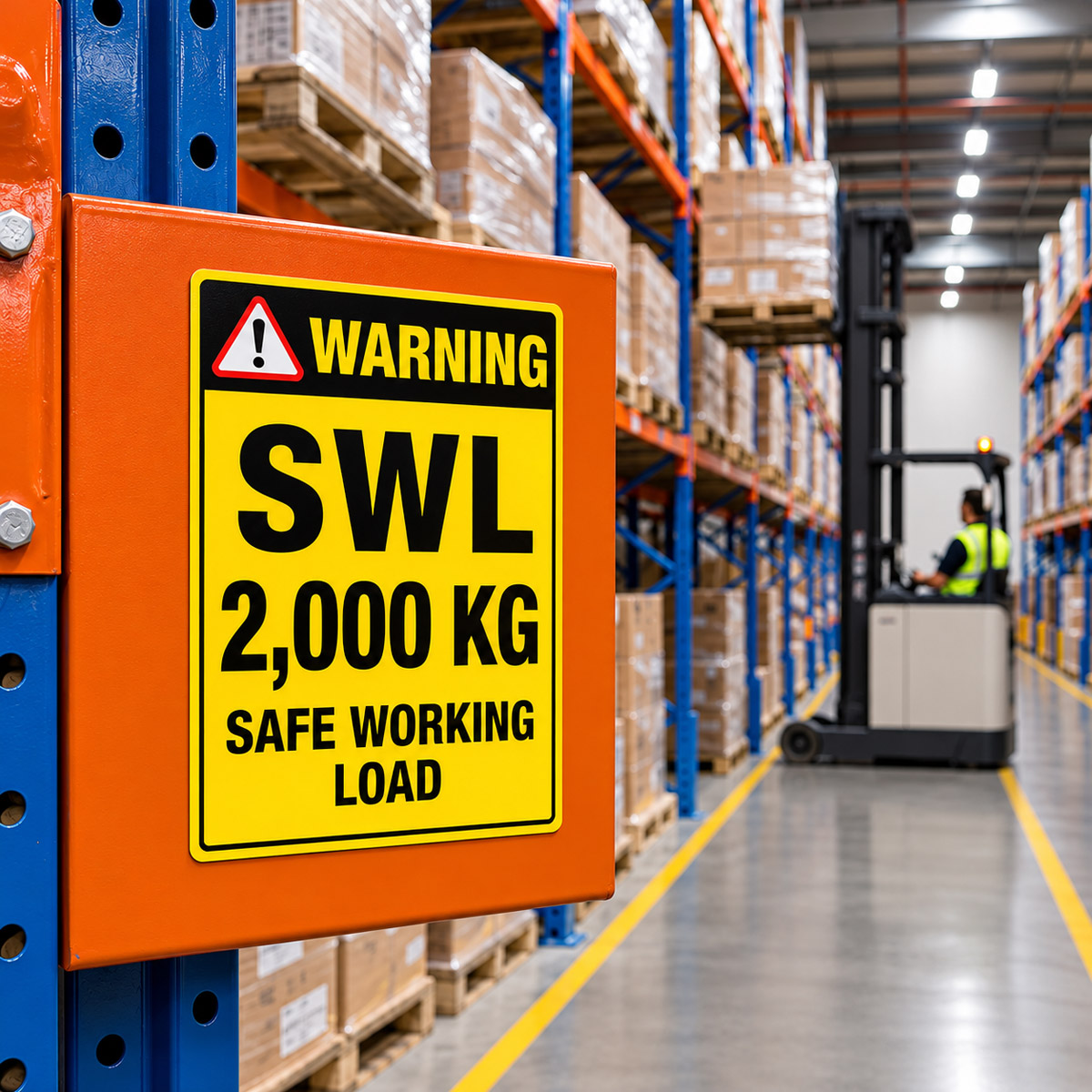
Safe Working Load (SWL) Signs
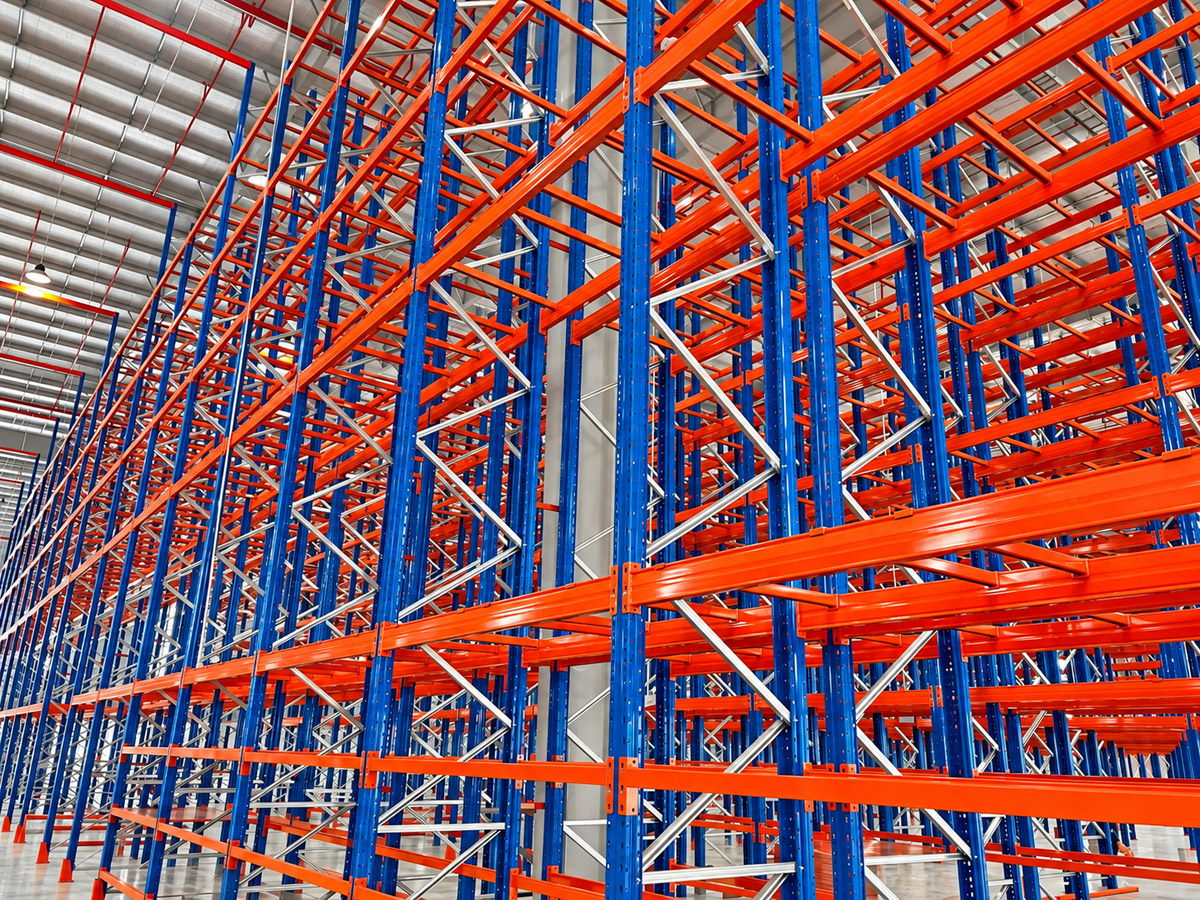
Load signs give forklift operators and warehouse staff essential information about what the racking can safely support.
They should be clearly visible and reflect the actual installed configuration, including relevant unit load, beam level and bay load limits.
A load sign is only useful when the information is accurate. If the system has been reconfigured, its load ratings and signage may also need updating.
Rack Protection and Safe Installation
Forklift impacts are a common source of racking damage, particularly around the lower sections of upright frames. Upright protectors and end-of-rack protection can help reduce collision damage in exposed areas.
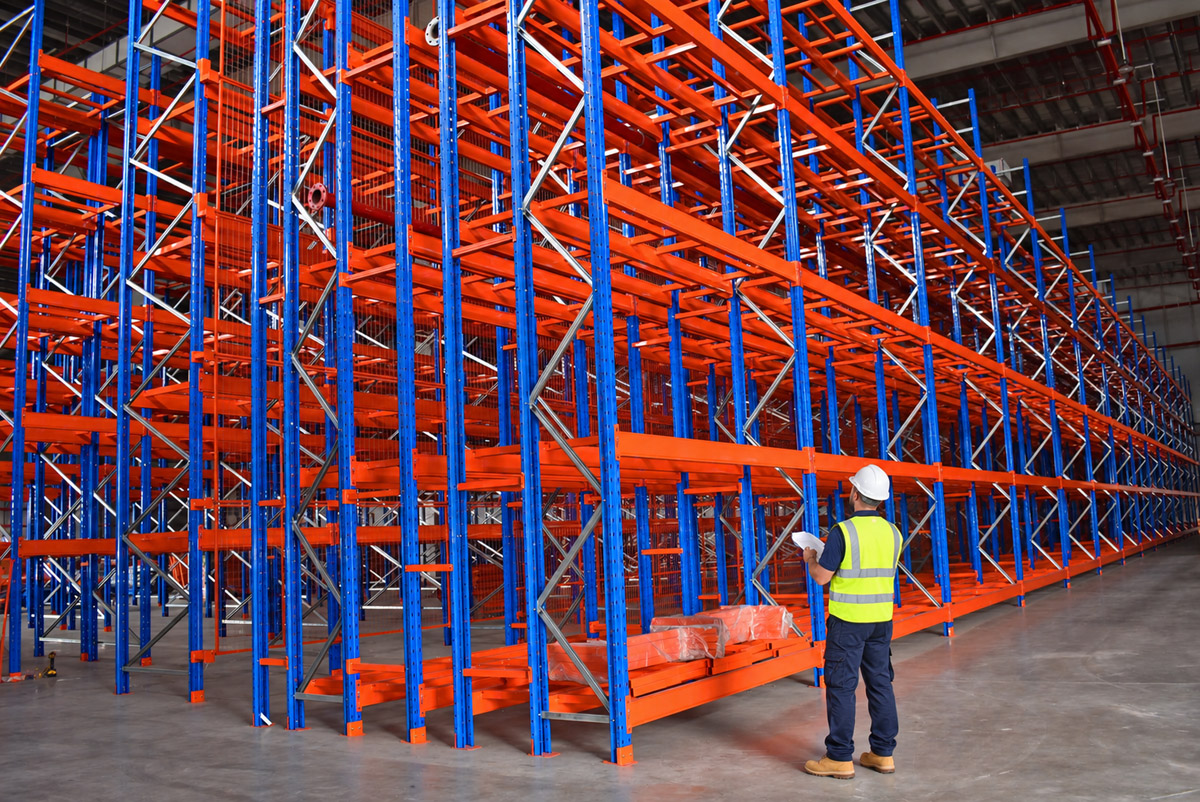
Safe installation also depends on suitable floor conditions, appropriate fixings and sufficient clearances for pallets and handling equipment. These details should follow the approved design and manufacturer’s instructions.
Read more:Pallet Racking Dimensions: How to Choose the Right Size for Your Warehouse
AS4084 Racking Inspection Requirements
Racking can deteriorate gradually through repeated forklift impacts, overloading or general warehouse activity. Regular inspections help identify these problems before they develop into more serious risks.
How often should Pallet Racking be inspected?
Warehouse staff should carry out routine visual checks, with the frequency determined by site conditions and the advice of the manufacturer or competent person.
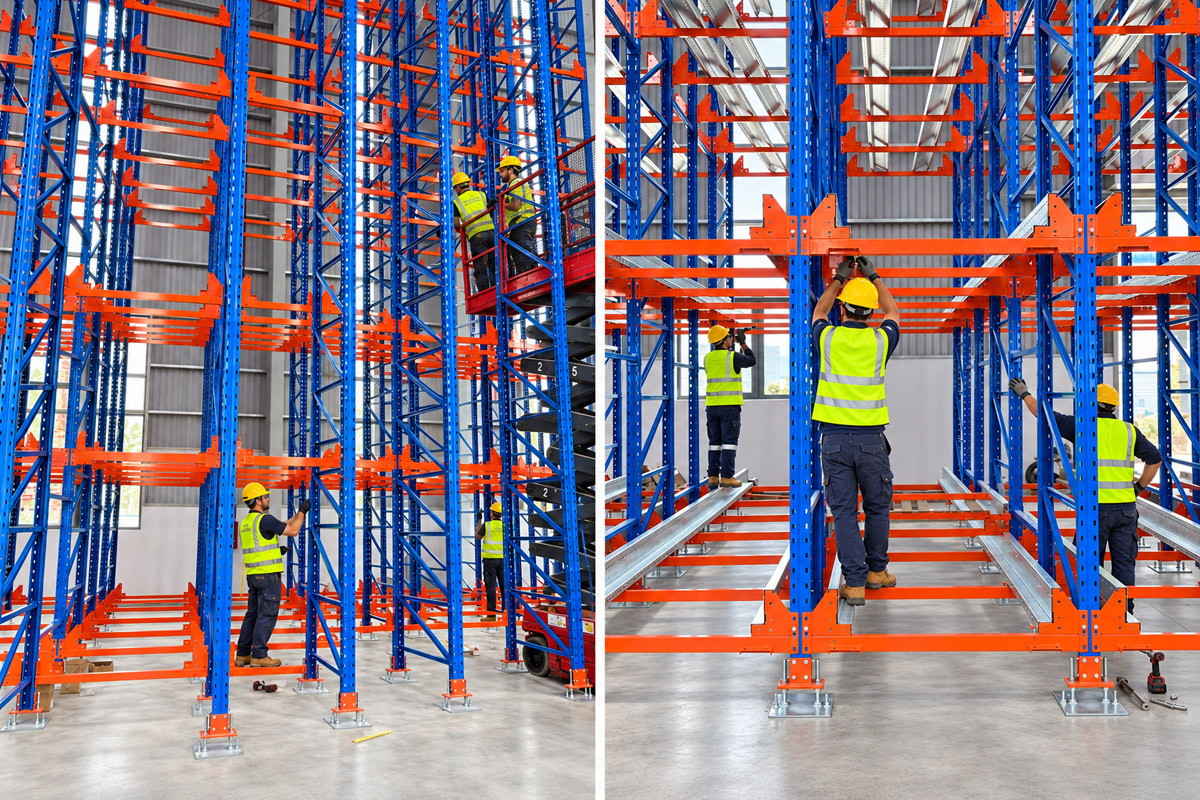
A formal inspection by a competent person should be completed at intervals not exceeding 12 months, in line with Australian workplace safety guidance. High-traffic warehouses or facilities with frequent racking damage may need more frequent checks.
What should an inspection cover?
A typical inspection looks for:
- Bent, twisted or damaged uprights and beams.
- Missing or damaged beam connectors and safety locks.
- Loose or damaged floor fixings.
- Signs of overloading or excessive deflection.
- Incorrect load signage or unauthorised modifications.
- Damaged pallets and unsafe load placement.
Any damage should be recorded, assessed and addressed according to its severity.
Understanding racking damage classifications
AS 4084.2:2023 uses three damage categories, commonly associated with a traffic-light approach.
| Classification | Meaning | Recommended Action |
| Green – Acceptable damage | Damage within acceptable limits | Record and monitor |
| Amber – Hazardous damage | Damage requiring prompt corrective action | Arrange repairs; do not reload affected locations after unloading |
| Red – Very serious damage | Serious structural risk requiring immediate attention | Immediately unload affected bays and repair before reuse |
These classifications must be determined through a competent assessment. A visibly bent upright should never be considered safe simply because the rack is still standing.
How to check if your pallet racking meets AS4084
You don’t need to wait for a formal inspection to spot potential warning signs. A simple review can help identify areas requiring attention.
Use this checklist as a starting point:
| Check | What to look for |
| Racking identification | System type, manufacturer and installation details are known |
| Load capacity | Current loads match the approved ratings and visible signs |
| Structural condition | No obvious damage, missing components or loose connections |
| Rack configuration | Beam positions and components match the approved design |
| Inspection records | Reports, repairs and outstanding actions are documented |
If anything is missing, damaged or unclear, arrange an assessment by a competent racking professional.
Common AS4084 compliance mistakes to avoid
Some racking safety issues are easy to overlook, especially in busy warehouses where storage layouts change frequently.
- Ignoring minor forklift impacts: Even small dents can weaken uprights over time. Report damage as soon as it occurs.
- Changing beam heights without approval: Adjusting beam positions can affect load capacity. Have any changes assessed before use.
- Using outdated load signs: Incorrect load ratings can lead to accidental overloading. Keep signage consistent with the current rack configuration.
- Mixing incompatible components: Beams and connectors from different manufacturers may not fit safely together. Always check compatibility before replacement.
- Poor inspection recordkeeping: Missing records make it harder to track damage and repairs. Keep inspection and maintenance reports up to date.
Addressing these issues early helps prevent structural failures, improve warehouse safety and reduce costly downtime.

Maintaining safe and compliant Pallet Racking
AS4084 compliance is not something to consider only when racking is first installed. Warehouse layouts, handling equipment and storage requirements can change over time, and the racking must remain suitable for those conditions. The most effective approach is straightforward: respect load limits, inspect regularly, report damage promptly and review changes before putting them into service.
For warehouse operators, maintaining accurate documentation and involving competent professionals when needed are essential parts of that process. If you’re uncertain about the condition or load capacity of an existing system, arrange a professional racking assessment before making further changes. A little attention now can prevent much bigger problems later.
Vinatech Australia: Industrial Warehouse Racking – Warehouse Shelving Solutions
🌐 Website: https://vinatech.com.au/
☎️ Phone number: 0485 083 868
📩 Email: info@vinatech.com.au
📌 Address: 34 Paramount Bvd, Cranbourne West VIC 3977, Australia

William Harris is the Production Director at Vinatech Australia, with more than 10 years of experience in industrial warehouse racking, manufacturing, warehouse optimisation and smart storage technologies. His professional background combines engineering, production management and warehouse operations, enabling him to oversee the development of storage systems designed for safety, durability, efficiency and long-term operational performance.