

Pallet racking audits help identify damage, overloading and safety risks before they become serious hazards. Regular inspections also help businesses maintain racking in line with operational and maintenance requirements. Vinatech Australia provides professional racking inspections with clear findings and recommended corrective actions.
What Is a Pallet Racking Audit?
A pallet racking audit is a detailed assessment of an existing warehouse racking system to identify structural damage, incorrect use, unsafe alterations and other conditions that may affect safety or performance.
A pallet racking audit may identify:
- Damaged uprights or beams
- Loose or missing anchors
- Missing beam safety locks
- Forklift impact damage
- Incorrect pallet positioning
- Overloaded rack levels
- Missing or incorrect Safe Working Load signage
- Damaged rack protection
- Unauthorised alterations
- Changes to rack configuration
- Issues caused by changes in forklifts or stored products
The objective is not simply to determine whether a rack “passes” or “fails”, but to understand the condition of the system and what action should be taken next.
Why Are Pallet Racking Audits Important?
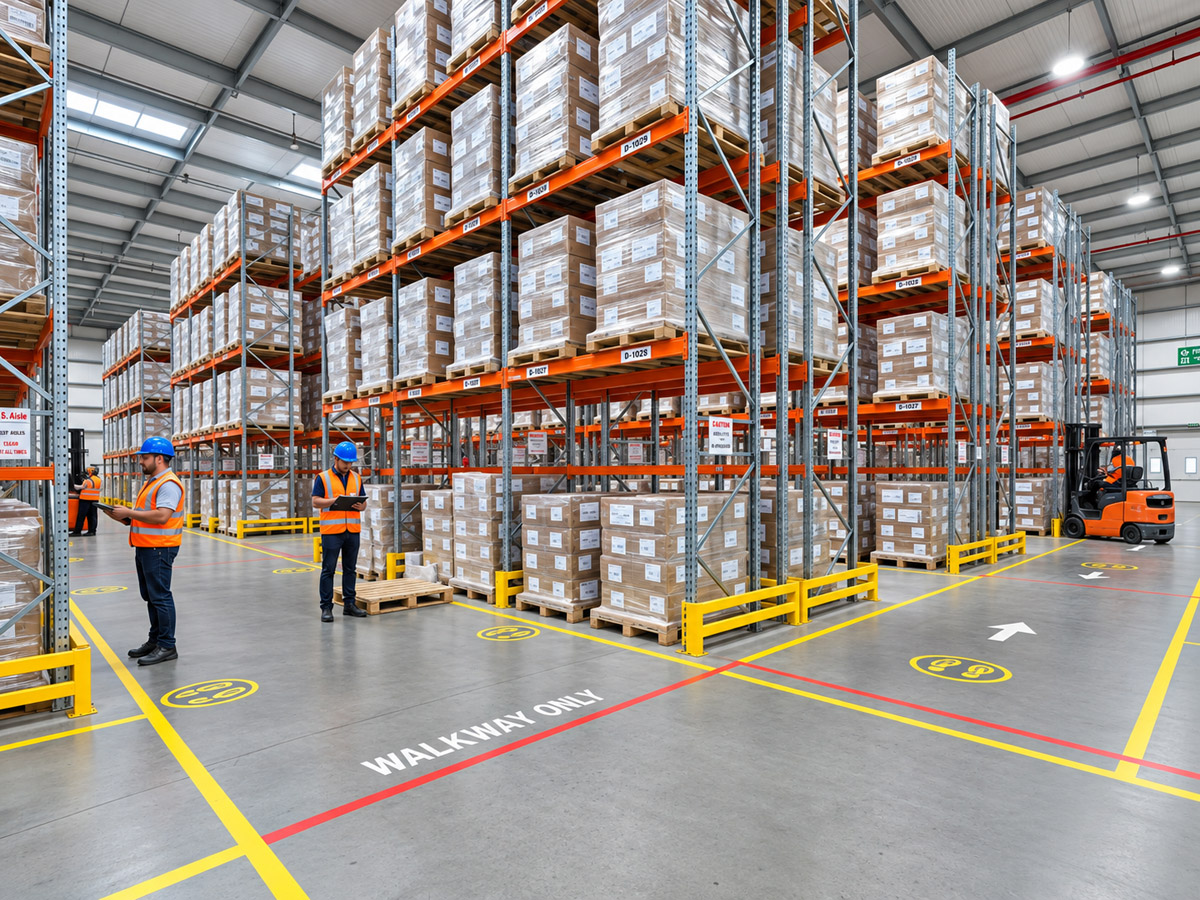
Warehouse racking operates in an environment where forklifts, pallets and heavy loads interact every day. Regular audits help warehouse operators identify problems before they develop into more serious risks.
Identify Forklift Impact Damage
Forklift collisions are one of the most common causes of pallet racking damage, especially around lower uprights, end frames and high-traffic aisle areas. Even minor impacts can bend or weaken structural components over time.
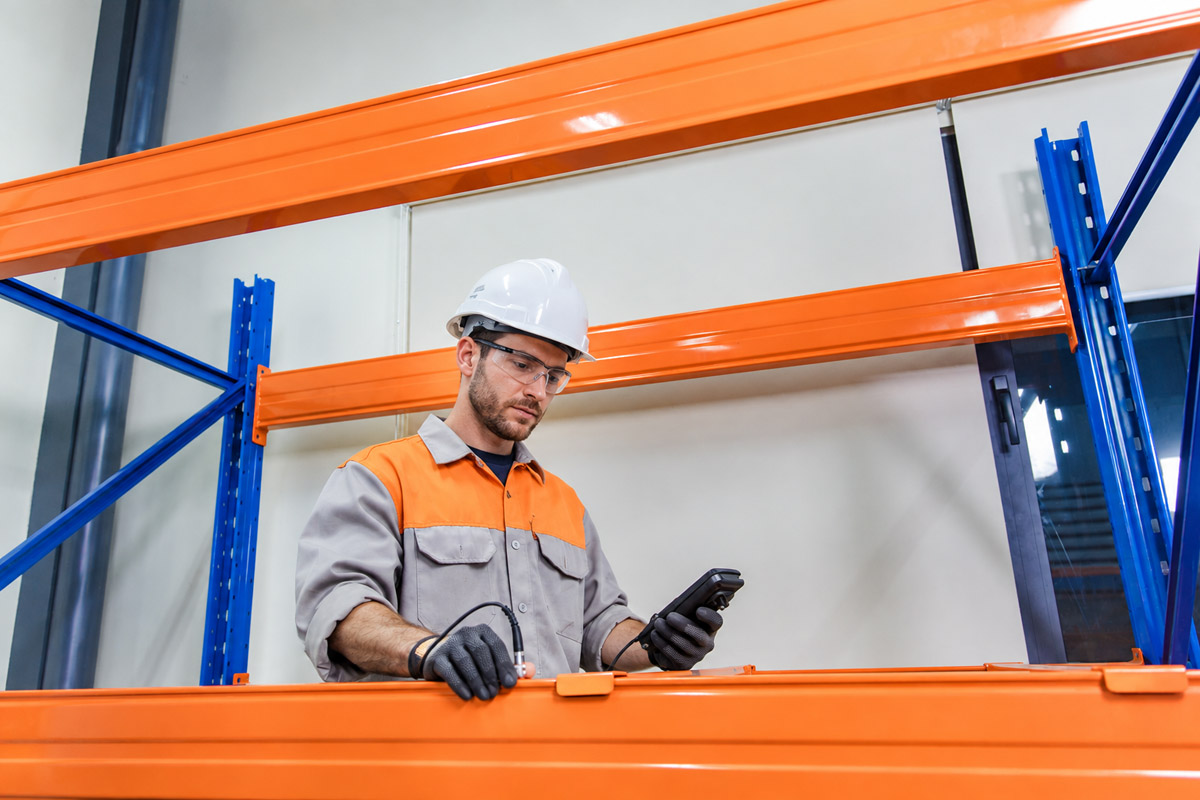
A pallet racking audit can identify damaged uprights, bracing, beams, base plates and rack protection, allowing affected areas to be assessed before the damage becomes more serious.
Detect Overloaded Racking
Pallet racking is designed to operate within specific load limits. Changes in pallet weight, product type or load distribution can create additional stress on beams and frames if the original rack capacity is exceeded.
Regular audits help identify signs of overloading, such as beam deformation or incorrect load placement, and confirm whether the current storage setup remains suitable for the loads being stored.
Identify Unsafe Rack Modifications
Warehouse layouts often change as inventory, equipment and operational requirements evolve. Beam levels may be repositioned, racks relocated or different pallet sizes and forklifts introduced.
These changes can affect the original rack design and load capacity. A formal audit helps identify unauthorised or unsuitable modifications and determine whether further engineering review or corrective action is required.
Reduce the Risk of Racking Failure
Damaged components, overloading and incorrect rack configurations can increase the risk of partial or complete racking failure. In busy warehouses, these risks can become more serious if problems are not identified early.
Pallet racking audits provide a structured way to detect potential weaknesses, isolate higher-risk areas and prioritise repairs before the issue develops into a more significant safety hazard.
Read more: Pallet Racking Compliance Australia: AS 4084:2023 Guide
What Does a Pallet Racking Audit Check?
A professional pallet racking audit should consider both the structural condition of the racks and the way the system is being used.
- Rack uprights: Check uprights for impact, deformation and structural damage.
- Beam and Connectors: Inspect beams and connectors for damage or overloading.
- Base plates and Anchors: Confirm rack bases remain secure and properly anchored.
- Rack protection: Check that rack protection remains secure and effective.
- Safe Working Load Signage: Ensure load limits are clearly displayed and understood.
- Pallets and Stored Loads: Check pallets and loads are stable and correctly positioned.
- Rack Configuration: Verify the current rack configuration matches operational requirements.
- Forklift and Aisle Compatibility: Confirm forklifts and aisle dimensions remain compatible with the racks.
A comprehensive pallet racking audit brings these checks together to provide a clear picture of the overall condition and suitability of the storage system. Any identified issues can then be prioritised for monitoring, repair or replacement.

Pallet Racking Audit vs Regular Warehouse Inspection
Regular warehouse inspections and formal pallet racking audits both play an important role in maintaining a safe storage environment, but they serve different purposes.
| Regular Warehouse Inspection | Formal Pallet Racking Audit |
|---|---|
| Conducted frequently | Conducted at defined intervals |
| Focuses on visible day-to-day issues | Provides a detailed racking assessment |
| Can be carried out by trained warehouse staff | Conducted by a competent person |
| Identifies obvious damage or unsafe conditions | Reviews structural condition and rack use |
| Supports routine safety monitoring | Provides documented findings |
| Helps detect immediate concerns | Recommends repair, replacement or further assessment |
The two should work together rather than replace one another. Regular inspections help identify issues as they arise, while formal audits provide a more comprehensive review of the racking system and help ensure that identified risks are properly assessed and addressed.
Why Choose Vinatech Australia for Pallet Racking Audits?
Vinatech Australia supports warehouse operators with professional pallet racking inspections and practical recommendations for maintaining safer storage systems.
- Professional Racking Inspection: Existing racks can be reviewed for visible damage, incorrect use and areas requiring further attention.
- Clear Audit Findings: Inspection findings can be documented so warehouse operators understand where issues are located and what actions should be prioritised.
- Repair and Replacement Recommendations: Where damaged components are identified, appropriate repair or replacement options can be recommended based on the condition of the system.
- Replacement Rack Components: Where suitable, damaged beams, uprights or protective components can be replaced as part of the rectification process.
- Warehouse Reconfiguration Support: Vinatech can review pallet sizes, load requirements, aisle widths and warehouse configuration.
- End-to-End Racking Support: Vinatech can support warehouse operators from: Inspection → Assessment → Recommendation → Repair or Replacement → Ongoing Support
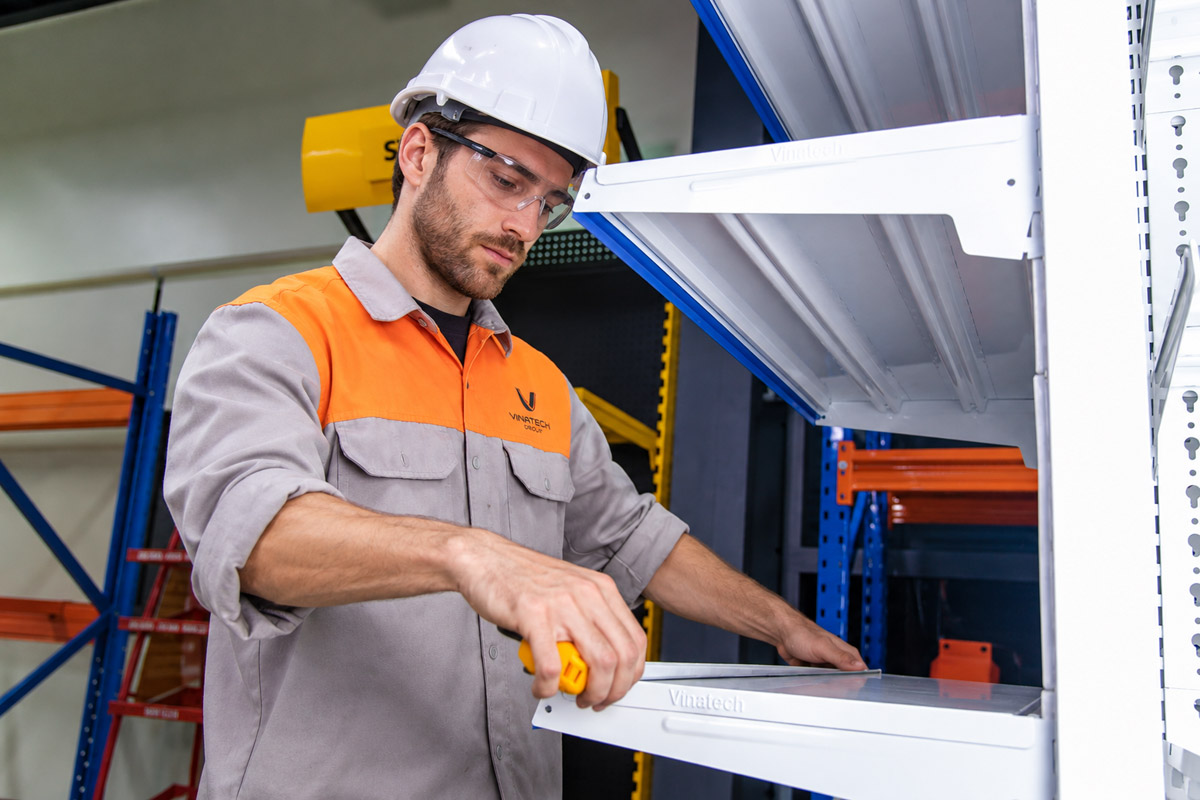
Whether you operate a distribution centre, manufacturing warehouse, cold storage facility or industrial site, Vinatech Australia can assess your existing racking and provide practical recommendations for the next steps.
Regular pallet racking audits help identify damage, overloading, installation issues and other conditions that may affect the safety and performance of a warehouse storage system. A thorough audit also provides a clear basis for corrective action, maintenance and ongoing inspection.
Vinatech Australia provides professional pallet racking solutions designed around your warehouse requirements, helping businesses maintain safe, reliable and efficient storage systems. Contact Vinatech Australia to discuss your pallet racking audit or warehouse storage requirements.
Vinatech Australia: Industrial Warehouse Racking – Automated Warehouse Solutions
🌐 Website: Vinatech.com.au
☎️ Phone number: 0485 083 868
📩 Email: info@vinatech.com.au
📌 Address: 34 Paramount Bvd, Cranbourne West VIC 3977, Australia
FAQs about Pallet Racking Audits
A pallet racking audit is a systematic assessment of a warehouse racking system to identify damage, safety risks, installation issues and potential non-compliance. It helps businesses maintain safe storage conditions and identify corrective actions.
The frequency depends on the condition of the racking, warehouse activity, impact risks and applicable requirements. Regular visual checks should be carried out by warehouse staff, with more detailed inspections scheduled according to the manufacturer’s guidance, risk assessment and relevant Australian Standards.
An audit may examine upright frames, beams, connectors, bracing, base plates, floor anchors, load notices, pallet supports and visible damage. It may also review loading practices, aisle clearances and whether the system matches its approved configuration.
Routine visual checks can be performed by trained warehouse personnel. More detailed technical assessments should be conducted by a suitably competent racking inspector or qualified professional, depending on the nature of the inspection and the issues identified.
Common findings include bent uprights or beams, damaged connectors, missing safety pins, loose or missing anchors, overloading, incorrect beam positioning and unauthorised modifications. Identifying these issues early helps businesses take appropriate corrective action.
Affected areas should be assessed promptly, and unsafe sections should be isolated or unloaded where necessary. Damaged components should be repaired or replaced using an approved method, with the system returned to service only when it is considered safe.
AS 4084 provides guidance and requirements for steel storage racking, including its operation, maintenance and inspection. Businesses should consult the applicable parts of the standard alongside workplace health and safety obligations and manufacturer recommendations to determine the appropriate inspection arrangements.
Routine inspections are generally used to identify visible damage and hazards during day-to-day operations. A more detailed audit may assess the wider system condition, loading practices, installation details, documentation and corrective actions required.
An audit can review load notices and check whether the installed configuration appears consistent with available design documentation. If load ratings are missing, unclear or inconsistent with the system, a suitably qualified designer or engineer may need to verify the capacity before the racking is used at the intended load.
Keep available layout drawings, load-capacity documentation, inspection records and maintenance history accessible. Ensure aisles and racking components can be inspected safely, and inform warehouse staff about the audit so identified issues can be addressed efficiently.

William Harris is the Production Director at Vinatech Australia, with more than 10 years of experience in industrial warehouse racking, manufacturing, warehouse optimisation and smart storage technologies. His professional background combines engineering, production management and warehouse operations, enabling him to oversee the development of storage systems designed for safety, durability, efficiency and long-term operational performance.