

What is Transport Warehouse Racking?
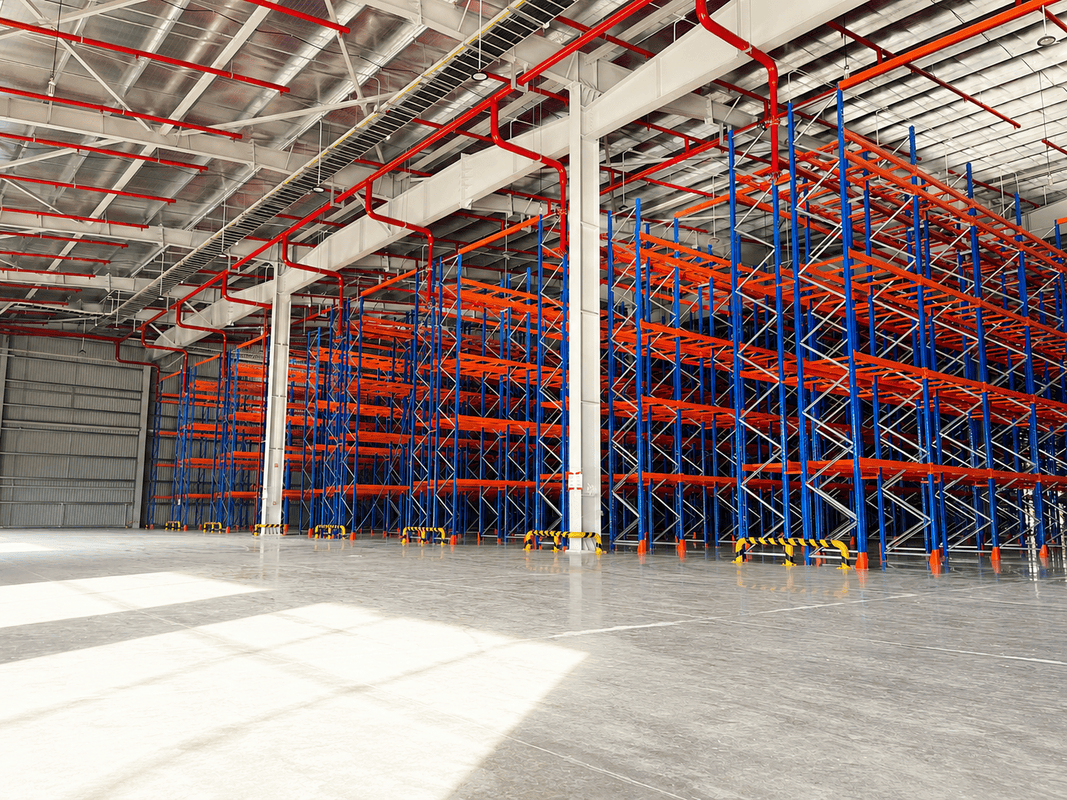
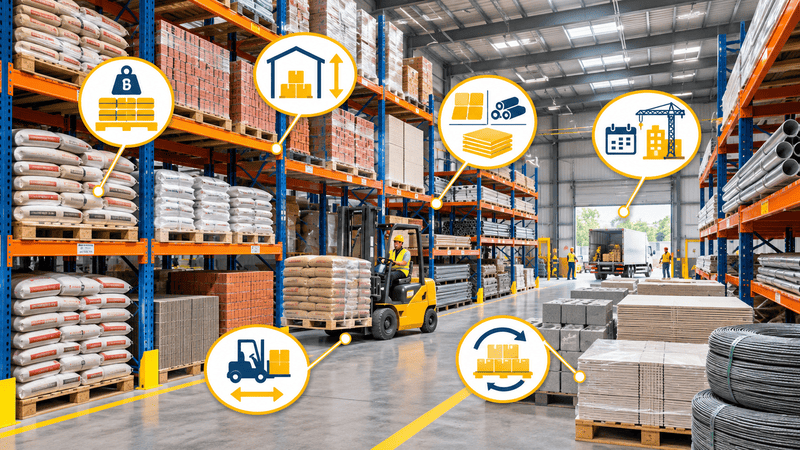
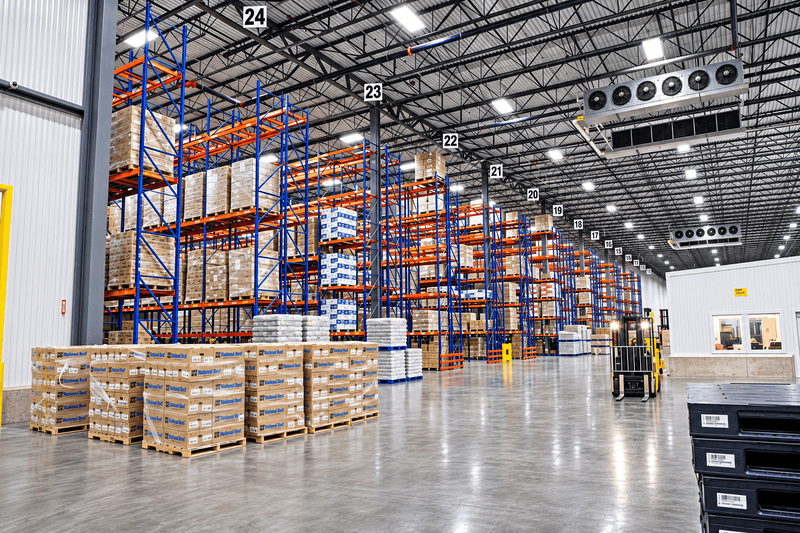
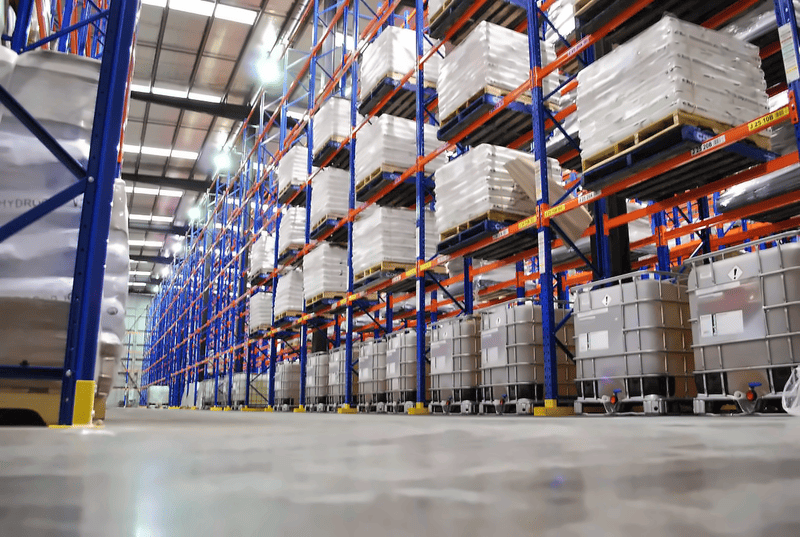
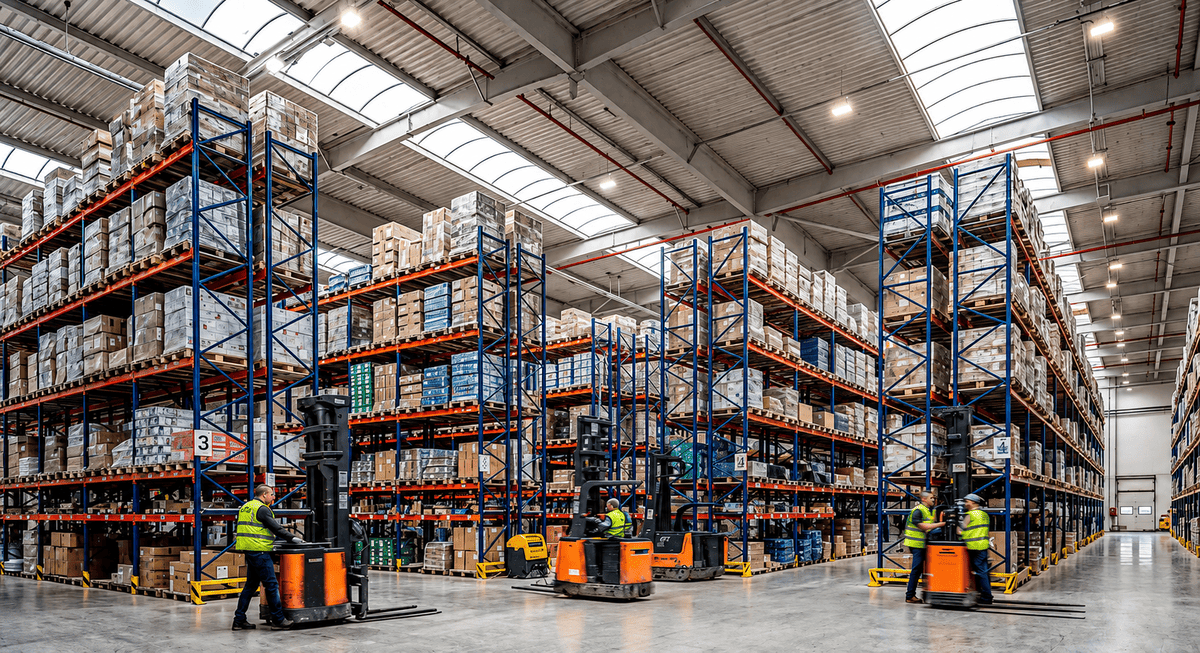
Transport warehouse racking refers to warehouse storage systems configured for transport, freight, logistics, 3PL and distribution operations where goods move regularly between receiving, storage and dispatch areas.
A suitable warehouse racking solution should support:
- Efficient pallet receiving and put-away
- Fast access to frequently moved stock
- Clear forklift and material-handling routes
- Different pallet sizes, weights and SKU profiles
- FIFO or LIFO stock rotation requirements
- Changing storage volumes
- Safe day-to-day warehouse operations
Unlike warehouses focused primarily on long-term storage, transport and logistics facilities often manage frequent inbound and outbound pallet movements, changing SKU profiles and fluctuating stock volumes. The racking therefore needs to balance storage density, pallet accessibility and material flow.
What Does a Transport Warehouse Need From Its Racking System?
A racking system should do more than provide pallet positions. In a busy logistics facility, its configuration can affect how far forklifts travel, how quickly pallets can be retrieved and how efficiently available warehouse space is used.
- Fast Pallet Access: For warehouses with a large number of SKUs or frequent pallet movements, direct pallet access can reduce unnecessary handling and make stock easier to locate and retrieve.
- Efficient Use of Warehouse Space: Depending on the stock profile and handling equipment, higher-density systems such as Double Deep, Drive-In, VNA or Shuttle Racking may provide additional pallet positions without increasing the warehouse footprint.
- Smooth Forklift Movement: Aisle widths, turning areas, rack orientation and forklift specifications should therefore be considered together.
- Flexible Storage for Changing Volumes: Adjustable and scalable racking configurations make it easier to respond to these changes without redesigning the entire warehouse.
Best Racking Systems for Transport and Logistics Warehouses
There is no single racking system that suits every transport warehouse. In many larger logistics facilities, several pallet racking types may be combined within the same warehouse.
Selective Pallet Racking
Best for: High SKU variety and frequent pallet access
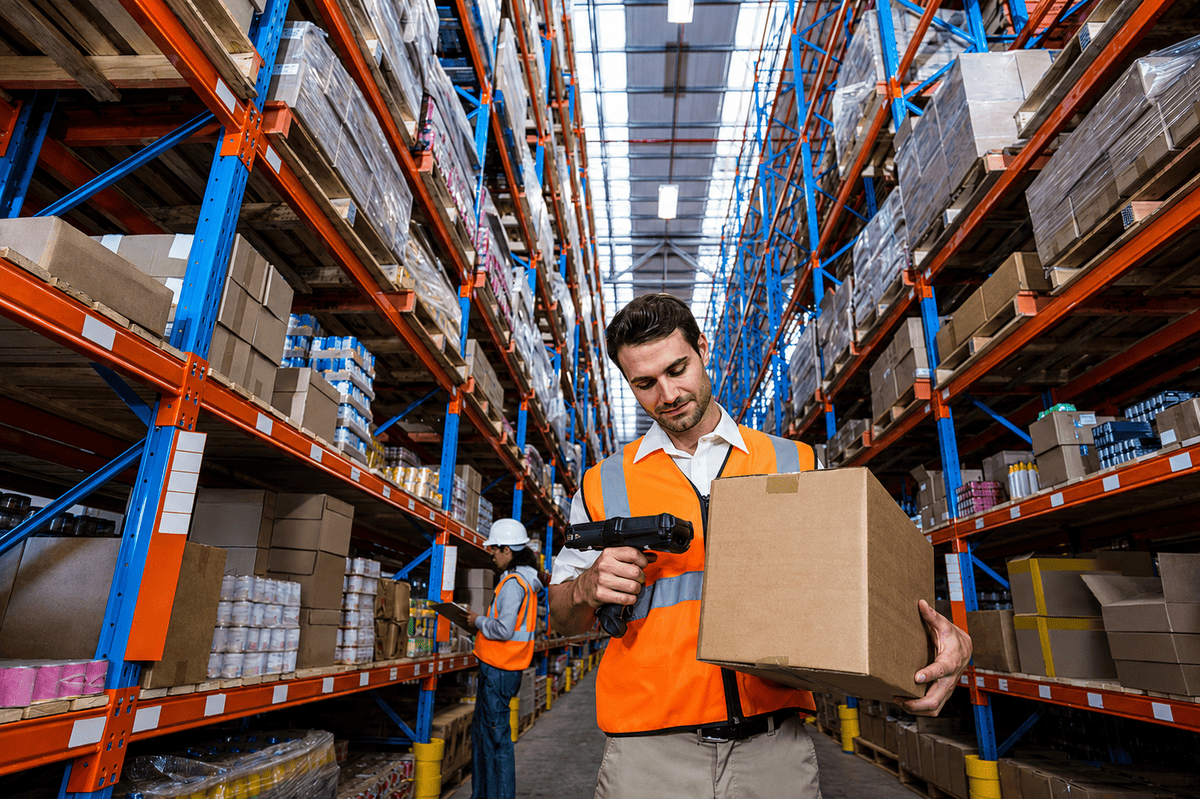
Selective Pallet Racking provides direct access to each pallet position, making it one of the most practical options for logistics warehouses handling a wide range of SKUs.
It works well where operators need to pick, replenish or retrieve different pallets throughout the day without moving other stock first.
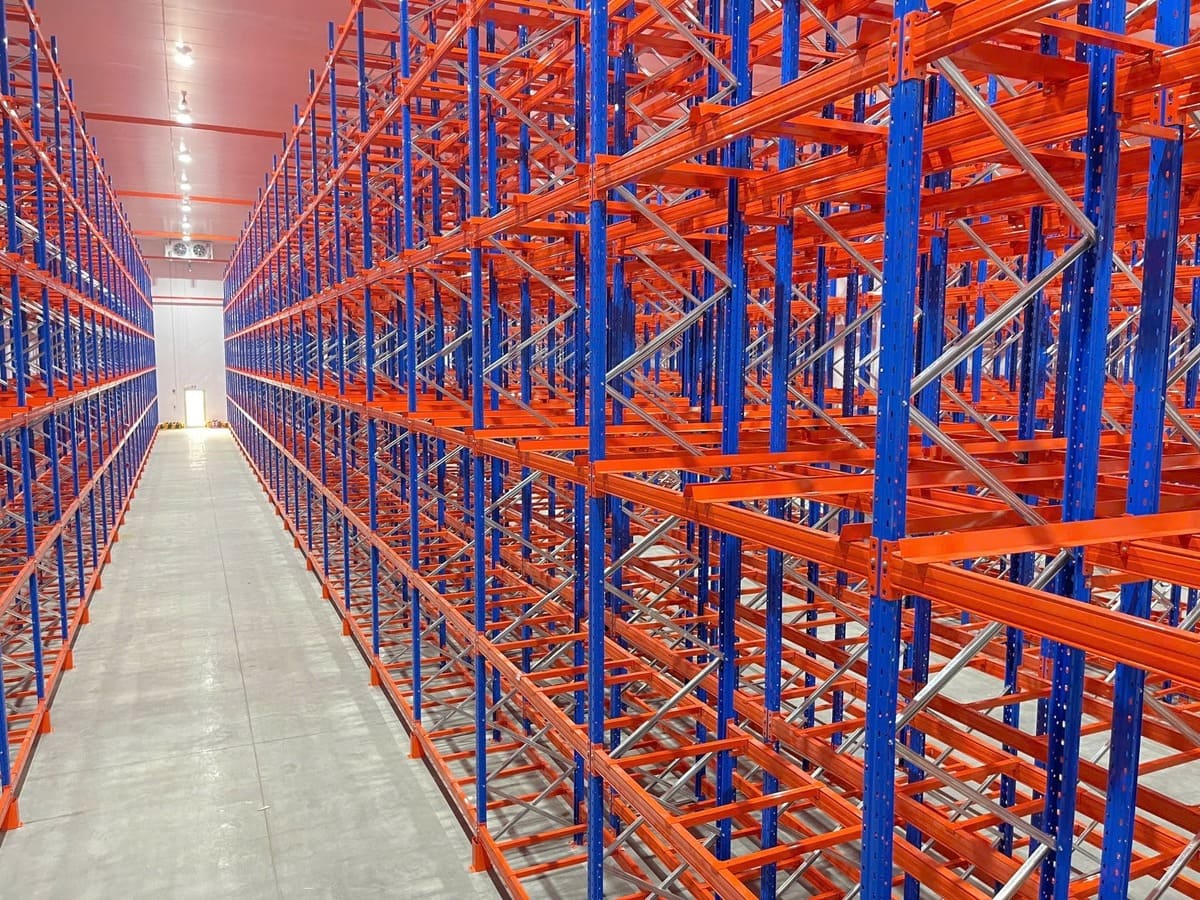
Double Deep Pallet Racking
Best for: Higher storage density with repeated SKUs
Double Deep Racking stores pallets two deep rather than one pallet deep. It is generally better suited to operations holding multiple pallets of the same or similar SKU and requires compatible double-reach forklift equipment.
This reduces the number of access aisles required and can increase pallet capacity compared with conventional Selective Racking. The trade-off is reduced direct pallet accessibility, as the front pallet must be removed before the rear pallet can be accessed.
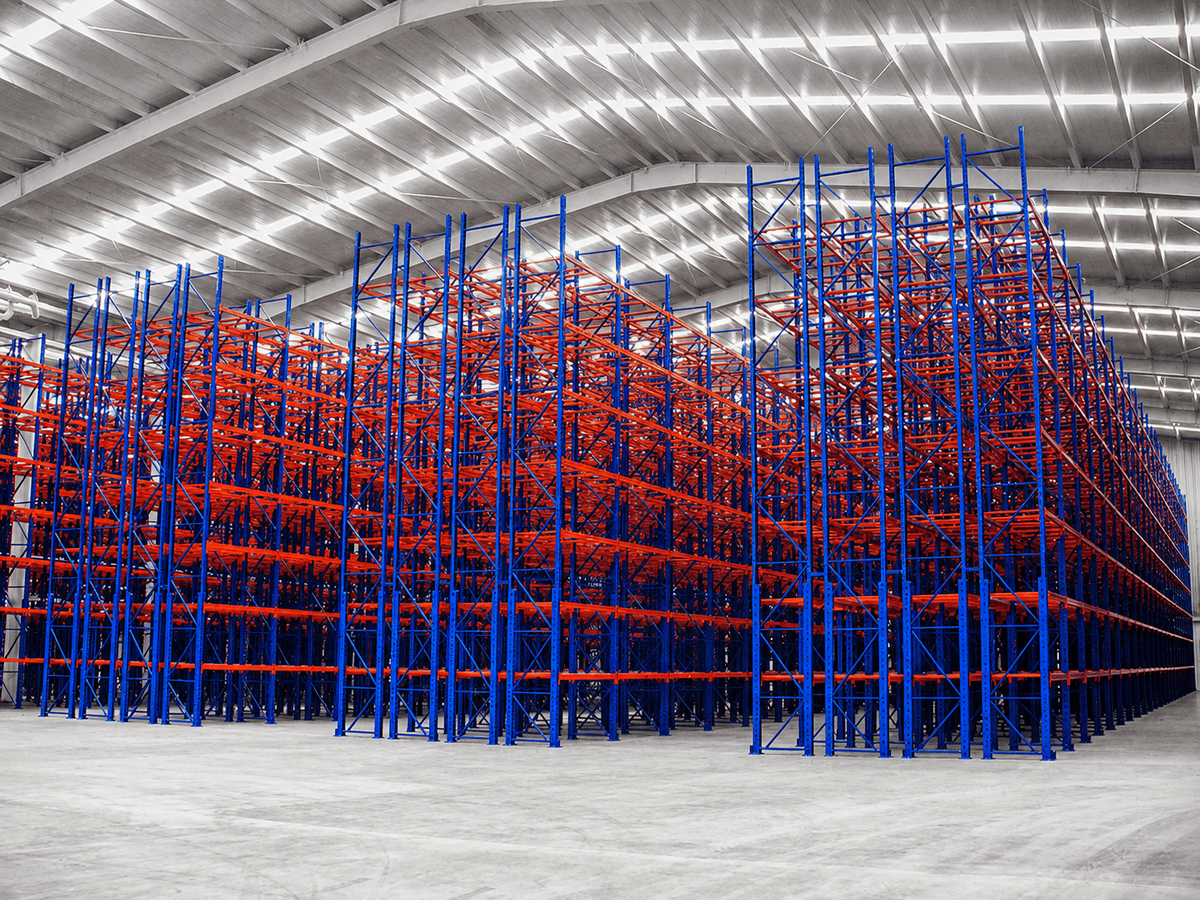
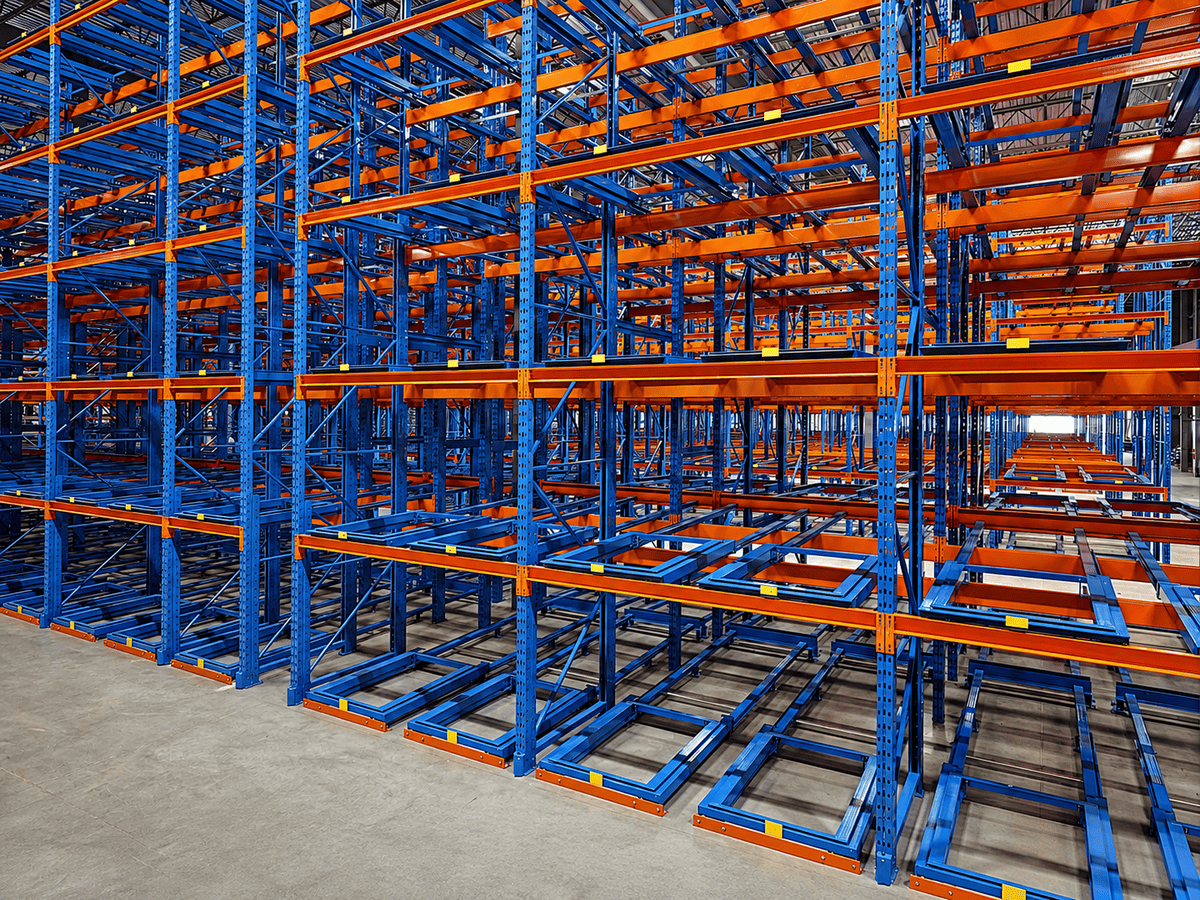
Pallet Flow Racking
Best for: FIFO stock rotation and high-throughput operations
Pallet Flow Racking uses inclined roller lanes to move pallets from the loading side towards the retrieval side. This creates a First-In, First-Out workflow and separates replenishment from retrieval activities.
The system can be useful for high-throughput distribution operations, food and beverage products or other inventory where stock rotation is important.
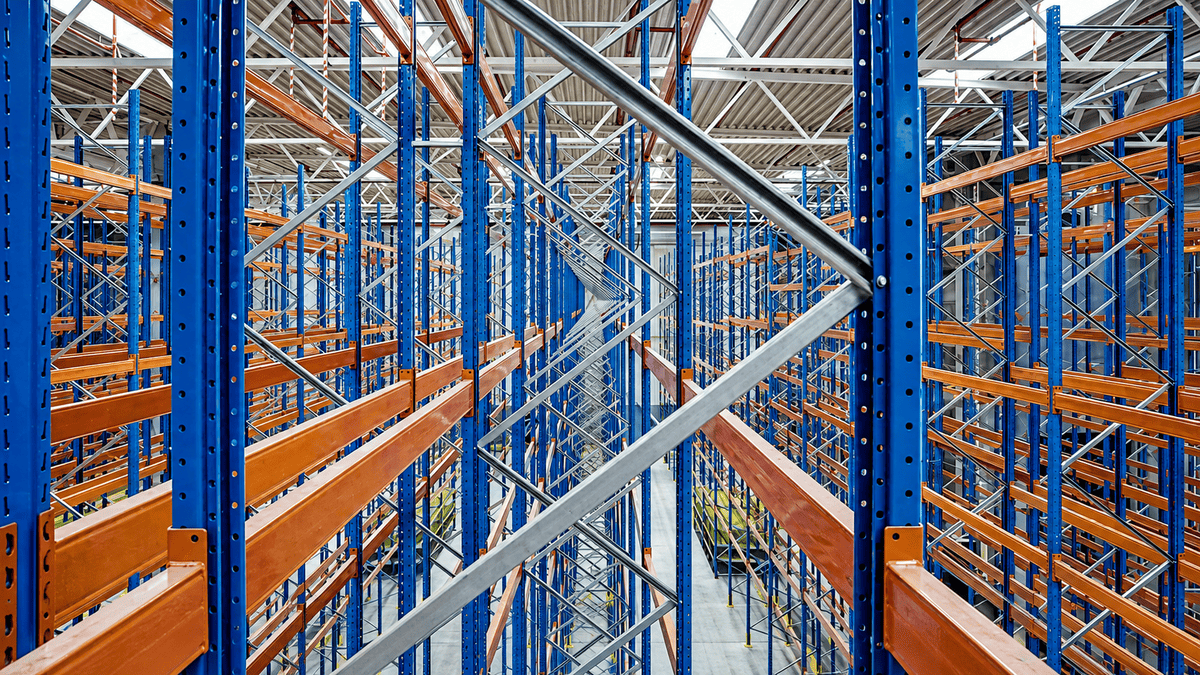
Very Narrow Aisle Racking
Best for: High warehouses with limited floor space
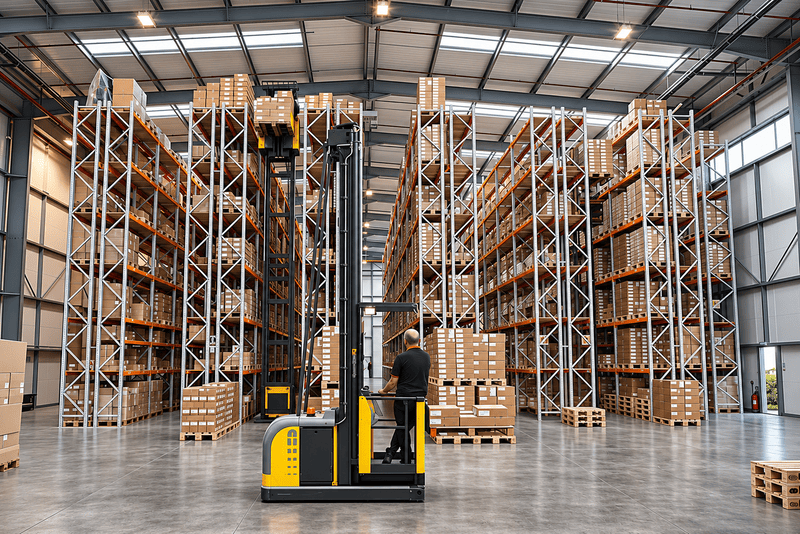
Very Narrow Aisle, or VNA Racking, reduces the width required between rack rows while maintaining direct access to individual pallets. This allows more rack rows to be installed within the same warehouse footprint and enables greater use of vertical space.
VNA generally requires specialised narrow-aisle forklifts and careful coordination between the racking layout, floor tolerances and material-handling equipment.
Shuttle Racking
Best for: High-density, high-volume pallet storage
Shuttle Racking uses a powered shuttle to move pallets within deep storage lanes, reducing the need for forklifts to travel into the rack structure.
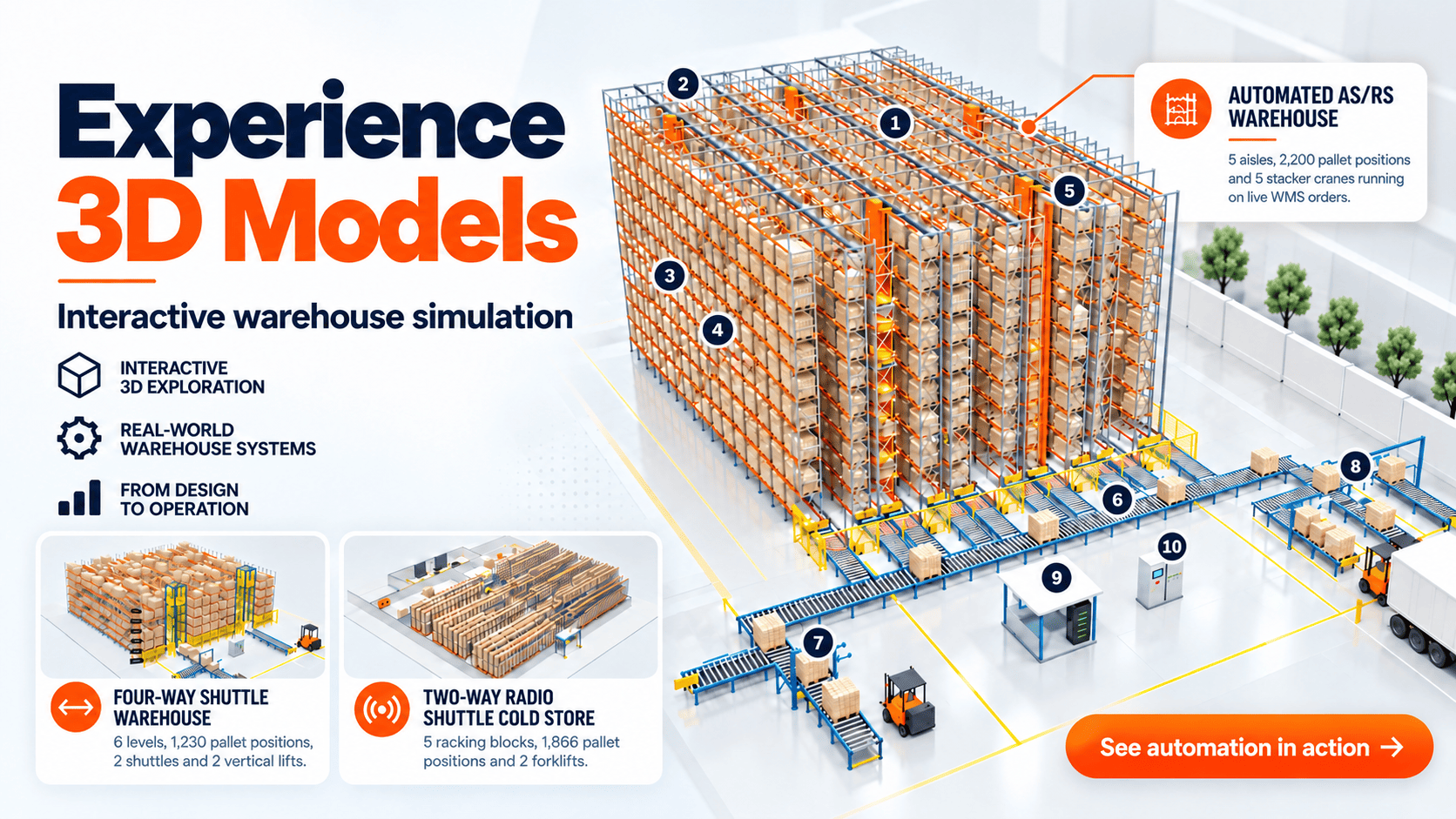
For logistics facilities handling large pallet volumes, this can provide high-density storage while reducing some of the forklift travel associated with conventional deep-lane systems. Vinatech Australia supplies Shuttle Racking and automated warehouse solutions alongside conventional pallet racking systems.
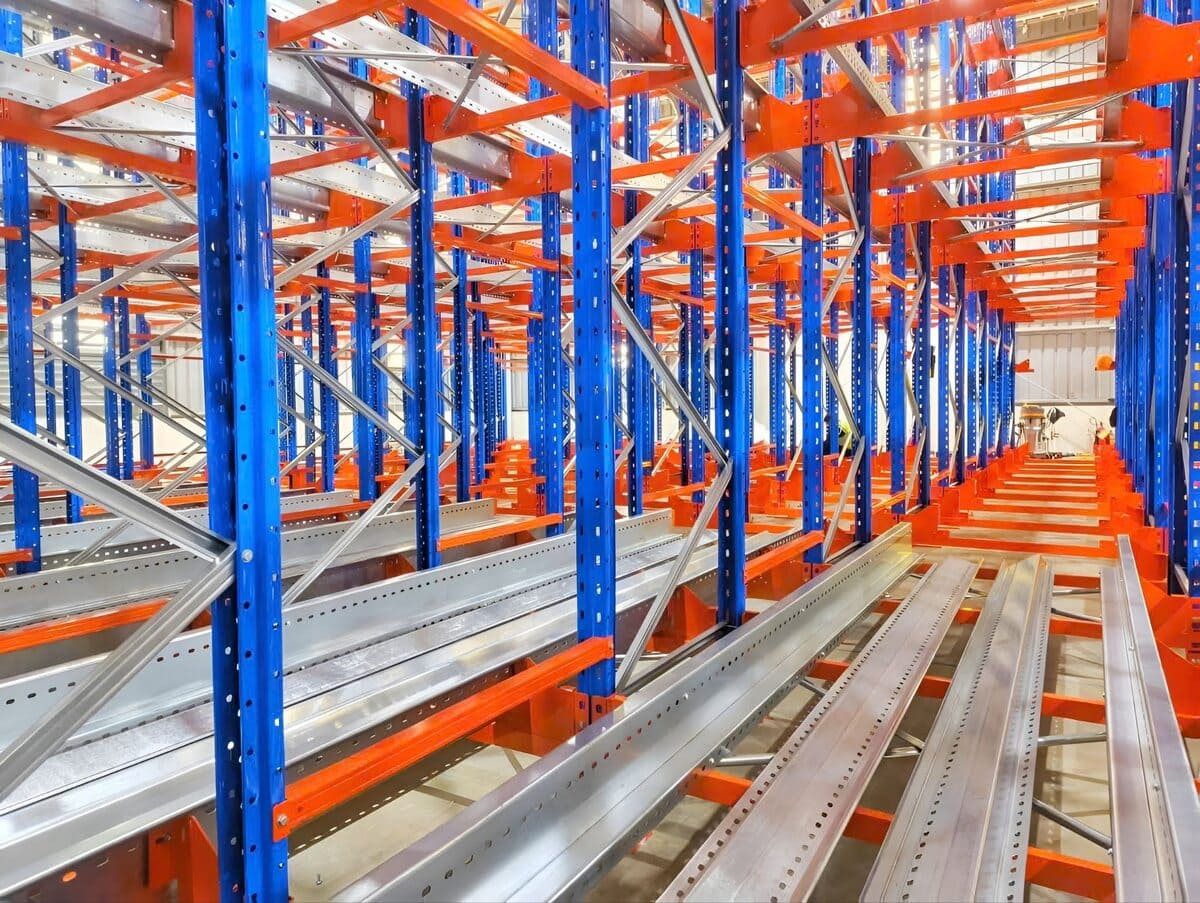
Best Racking Systems for Transport and Logistics Warehouses
Before selecting a system, compare the key racking options based on storage density, pallet accessibility and the operational needs of your transport warehouse.
| Racking System | Storage Density | Pallet Access | Best Suited For |
| Selective Racking | Medium | Very high | 3PL, mixed SKUs, frequent access |
| Double Deep Racking | High | Medium | Multiple pallets per SKU |
| Drive-in Racking | Very high | Lower | Bulk storage, low SKU variety |
| Pallet Flow Racking | High | High | FIFO and high-throughput operations |
| VNA Racking | High | Very high | High-bay warehouses with limited floor space |
| Shuttle Racking | Very high | High | High-volume, high-density storage |
A warehouse with hundreds or thousands of active SKUs, for example, may gain more operational value from direct pallet access than from maximising pallet positions alone. A warehouse holding large volumes of fewer SKUs may benefit more from a high-density configuration.
How to Choose the Right Transport Warehouse Racking System
Before selecting an industrial warehouse racking type, it is important to understand the actual operating conditions of the warehouse.
Key factors include:
- Pallet Size and Weight: The racking system needs to be designed around the dimensions, construction and maximum loaded weight of the pallets being stored.
- Number of SKUs: Warehouses with a large number of SKUs generally require greater selectivity.
- Pallets Per SKU: The number of pallets held for each SKU can determine whether Selective Racking or a higher-density system is more appropriate.
- Inbound and Outbound Volume: Daily pallet movements should be considered alongside total inventory.
- FIFO or LIFO Requirements: Stock rotation can significantly affect racking selection.
- Forklift Type: Selecting racks without considering the forklift can result in an inefficient layout or additional equipment costs later.
- Warehouse Clear Height: Available roof height can provide an opportunity to increase capacity vertically.
- Warehouse Columns and Building Structure: Columns, walls, doors, fire exits, loading docks and other fixed elements need to be incorporated into the layout from the beginning.
- Future Growth: The warehouse design should allow for future pallet growth, changes in SKU profile or eventual integration with automation.
Transport Warehouse Racking Solutions from Vinatech Australia
Vinatech Australia provides customised warehouse racking solutions designed around the storage and operational requirements of transport, logistics, 3PL and distribution facilities.
- Factory-direct manufacturing: Greater control over racking specifications, production quality and project configuration.
- Custom warehouse design: Layouts developed around warehouse dimensions, pallet loads, clear height, columns, forklift requirements and storage targets.
- 2D and 3D layout support: Review rack rows, pallet positions, aisle arrangements and warehouse flow before installation.
- Multiple racking options: Selective, Double Deep, Drive-In, Pallet Flow, Push Back, VNA, Shuttle Racking and automated warehouse solutions.
- Professional installation support: Installation coordinated according to the approved warehouse layout and project requirements.
- Australian standards: Pallet racking solutions designed to meet applicable AS 4084:2023 requirements.
- Local presence in Victoria: Located at 34 Paramount Bvd, Cranbourne West VIC 3977, supporting warehouse projects across Australia.
Send Vinatech Australia your warehouse dimensions, clear height, pallet specifications, storage volume and forklift information. Our team can assess the available space and develop a warehouse racking layout around your operation.
Vinatech Australia: Industrial Warehouse Racking – Warehouse Shelving Solutions
🌐 Website: https://vinatech.com.au/
☎️ Phone number: 0485 083 868
📩 Email: info@vinatech.com.au
📌 Address: 34 Paramount Bvd, Cranbourne West VIC 3977, Australia