Third-party logistics (3PL) has become an important part of how Australian businesses manage storage, inventory and distribution. But what is 3PL, and what makes a logistics warehouse run smoothly? In this guide, we’ll explore the different types of 3PL services, their benefits and challenges, and the role of racking systems in creating safer, more organised and efficient operations.
What is 3PL (Third-Party Logistics)?
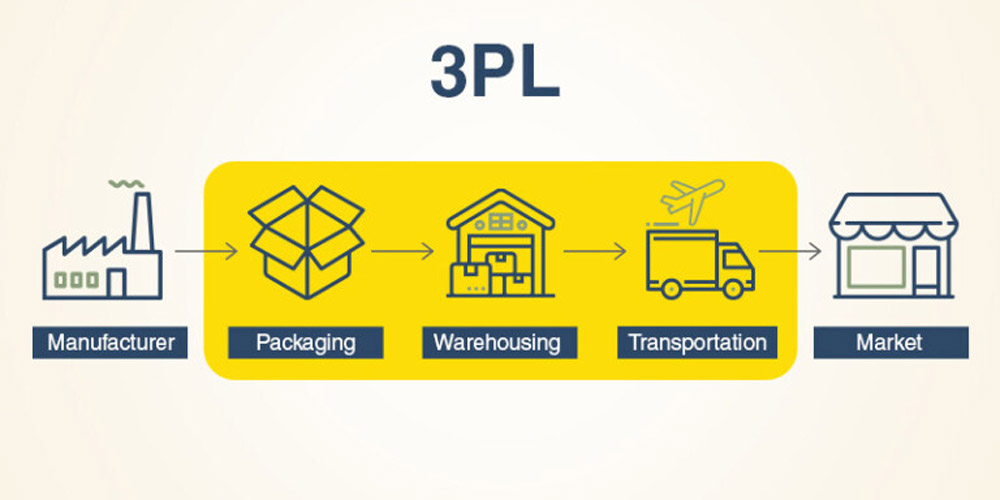
3PL stands for Third-Party Logistics, a model where businesses outsource logistics activities to an external provider. A 3PL company may manage warehousing, inventory, order fulfilment and distribution, allowing businesses to focus on their core operations.
Common 3PL services include:
- Warehousing and storage: Storing products in dedicated or shared warehouse facilities.
- Inventory management: Tracking stock levels, product locations and inventory movements.
- Order fulfilment: Picking, packing and preparing orders for delivery.
- Transportation and distribution: Coordinating shipments to retailers, businesses and end customers.
A 3PL warehouse often handles products from multiple businesses, each with different storage and handling requirements. Having a well-planned warehouse layout and suitable racking systems is essential for keeping inventory organised, making products accessible and supporting smooth daily operations.
>> Read More:
- Warehouse Management: Make Every Metre and Movement Count
- Inside a smarter warehouse: How WMS keeps things moving
What services do 3PL providers offer?
Not every 3PL company offers the same services. Some concentrate on particular industries or stages of the supply chain, while larger providers may manage several logistics activities within one operation.
Warehousing and Inventory Storage
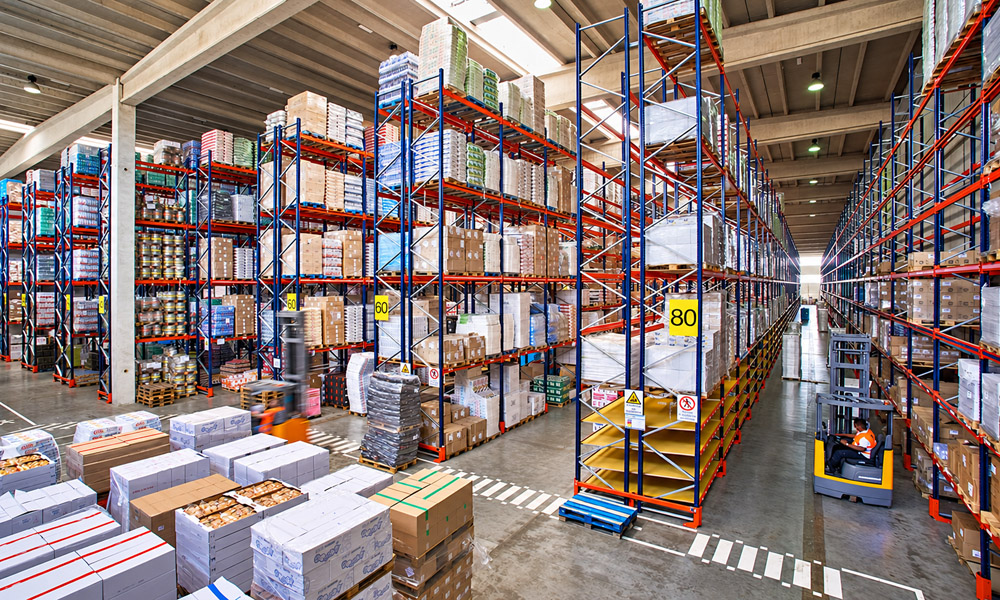
Warehousing is one of the most common 3PL services. Providers receive goods from manufacturers or suppliers, allocate them to appropriate storage locations and hold the inventory until it is needed.
For businesses managing hundreds or thousands of product lines, reliable inventory records are essential. They reduce the risk of misplaced goods and make it easier to fulfill orders accurately.
Order Fulfilment and Pick-and-Pack Services
Order fulfilment covers the activities required to prepare an order for delivery. When a customer places an order, the warehouse team locates the products, picks the required quantities, packs them and prepares the shipment.
For ecommerce businesses, fulfillment is often a major reason for using 3PL. Outsourcing these tasks can make it easier to manage changing order volumes without maintaining a large internal warehouse team.
Freight and Distribution Management
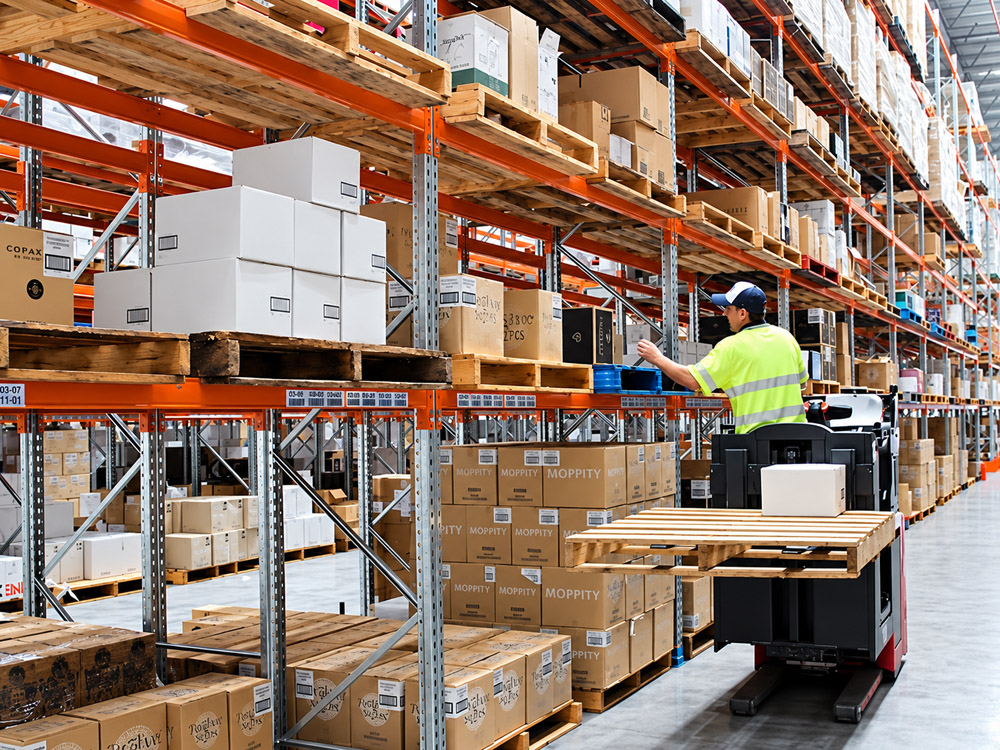
Many 3PL providers also arrange the movement of goods between suppliers, warehouses, retailers and customers. Services may include coordinating freight carriers, organising deliveries and managing transport schedules.
In Australia, where businesses often serve customers across widely separated metropolitan and regional locations, the location of distribution facilities can make a considerable difference to delivery planning.
Value-Added Logistics Services
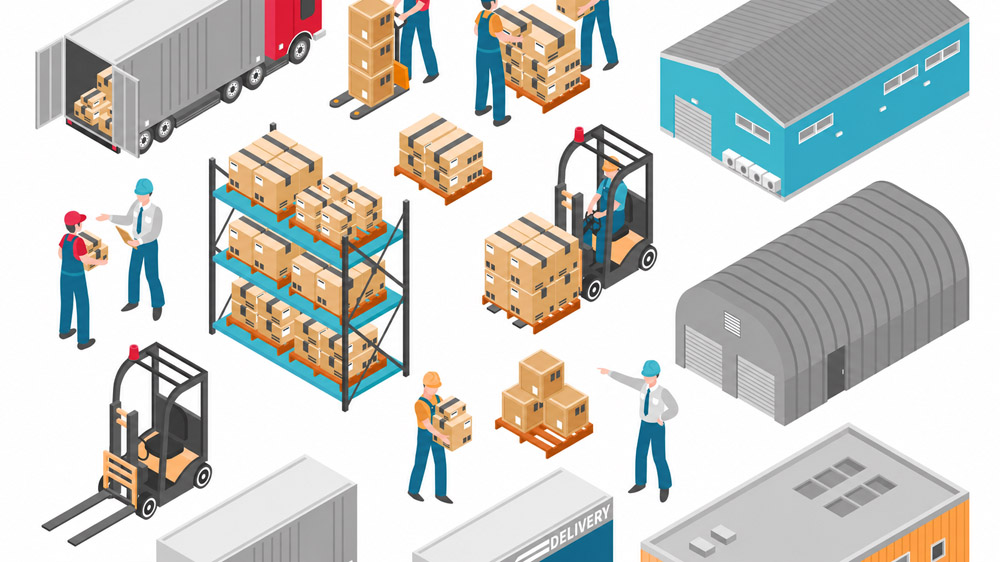
Some 3PL providers offer additional services beyond basic storage and distribution. These can include product labelling, repackaging, assembling promotional bundles, preparing retail-ready cartons and handling returned goods.
Such services are particularly useful when businesses need products prepared differently for individual retailers, sales channels or customers.
Types of 3PL providers in Australia
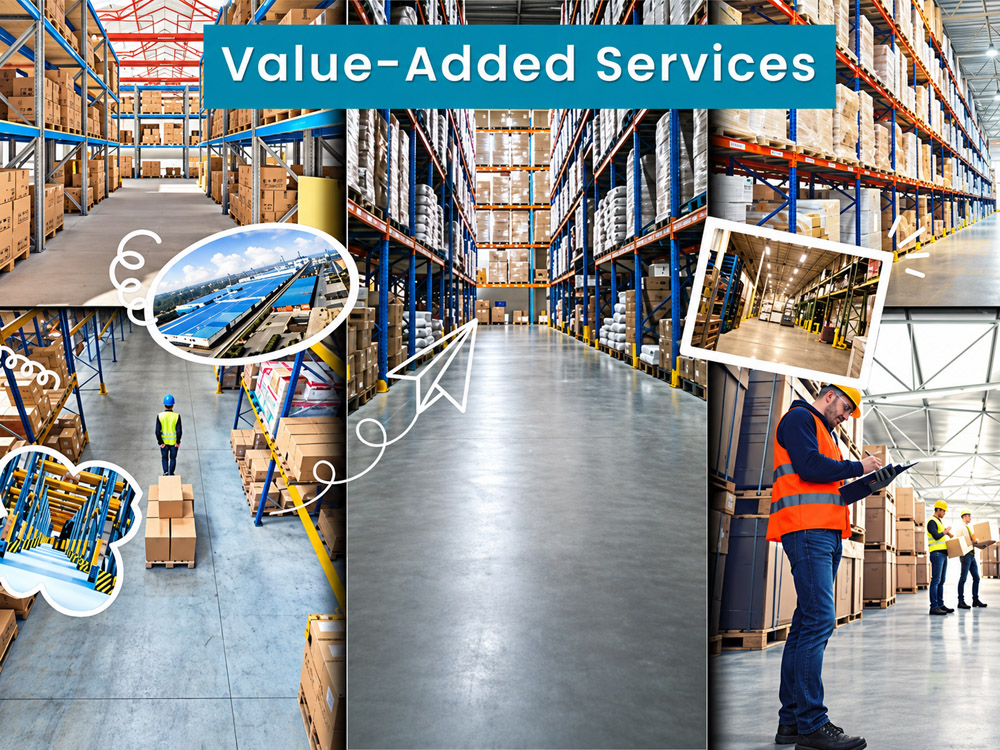
Not all 3PL providers offer the same services. Some focus on transportation, while others specialise in warehousing or manage multiple stages of the supply chain. Understanding the main types can help Australian businesses choose a provider that suits their products, order volumes and logistics needs.
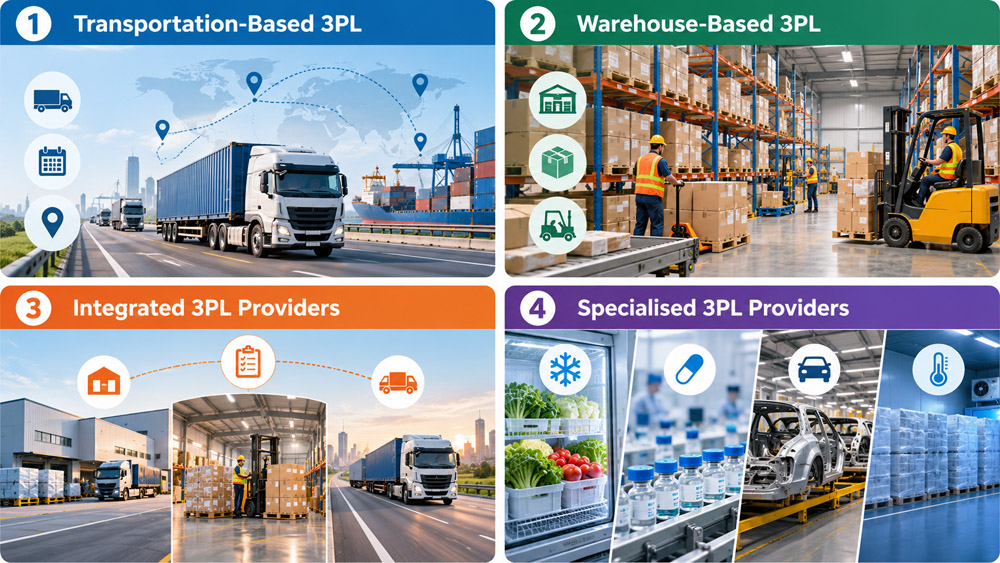
The four main types of 3PL providers include:
- Transportation-Based 3PL: Focuses on freight coordination, carrier management, shipment scheduling and distribution. This option suits businesses that already have storage facilities but need support managing deliveries and transport operations.
- Warehouse-Based 3PL: Specialises in inventory storage, goods receiving, order picking, packing and dispatch. These providers rely on well-organised warehouse layouts and suitable storage systems to handle different products and stock volumes efficiently.
- Integrated 3PL Providers: Combines warehousing, inventory management and transportation services under one logistics arrangement. This allows businesses to coordinate multiple supply chain activities through a single provider, although some services may be subcontracted.
- Specialised 3PL Providers: Serves industries with specific storage, handling or compliance requirements, such as food and beverage, pharmaceuticals, automotive and cold chain logistics. These operations may require temperature-controlled facilities, specialised equipment or tailored storage systems.
Choosing the right type of 3PL depends on more than the services offered. Businesses should also consider the provider’s industry experience, warehouse capabilities and ability to adapt as their logistics requirements change.
3PL vs 4PL vs In-House Logistics: What’s the difference?
Businesses can manage logistics internally, outsource individual operations to a 3PL provider or appoint a fourth-party logistics (4PL) company to coordinate a broader supply chain.
The main difference lies in who manages the work and how much responsibility is outsourced.
| Feature | In-House Logistics | 3PL | 4PL |
| Main responsibility | Business manages its own logistics | Provider performs agreed logistics services | Provider coordinates broader supply chain activities |
| Warehousing | Usually operated internally | May be managed by the 3PL | Often managed through logistics partners |
| Transport | Arranged internally | May be included | Coordinated across providers |
| Control | Direct operational control | Shared through service agreements | More strategic oversight |
| Best suited to | Businesses wanting direct control | Businesses outsourcing logistics operations | Businesses managing complex logistics networks |
In-house logistics gives a business direct control over its facilities, workforce and daily operations. However, it also means taking responsibility for warehouse space, equipment and staffing.
3PL transfers selected logistics activities to an external specialist. The business still manages its products and customer relationships, but its logistics partner handles the services covered by the agreement.
4PL takes a broader approach. A fourth-party provider may coordinate multiple logistics companies, systems and supply chain activities on behalf of the customer.
Neither model is automatically better. The right choice depends on business size, operational complexity and the level of control required.
>> Read More:
- Solutions for E-commerce Fulfillment Centers: Key Strategies
- Solutions for Retail and FMCG Distribution Centers
What are the benefits and challenges of using a 3PL?
Outsourcing logistics can make sense for a growing business, but the decision deserves careful consideration.
The biggest advantages usually come from gaining access to existing logistics resources and experience. The trade-off is relying on another company to perform activities that directly affect customer service.
Key benefits of 3PL services
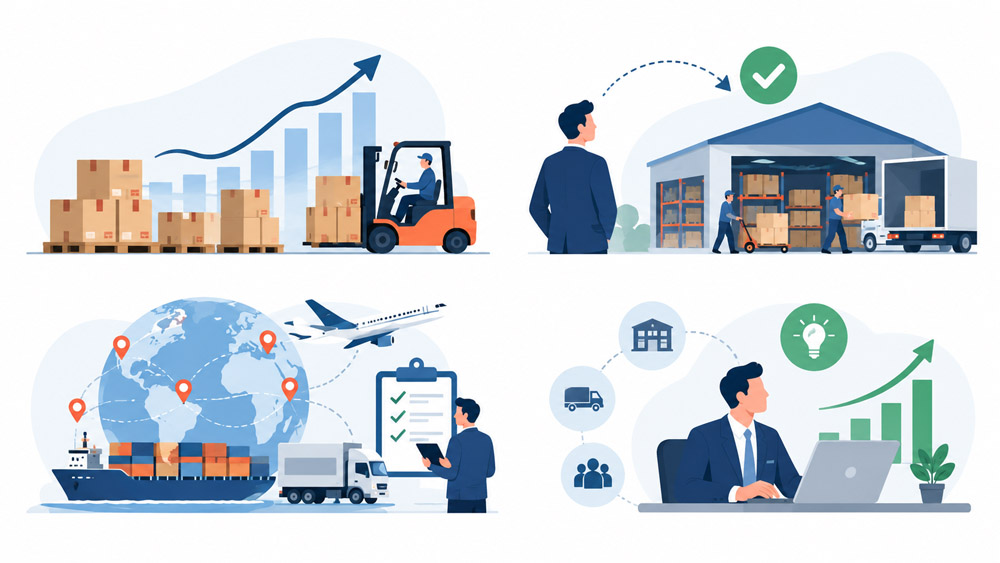
Outsourcing logistics to a 3PL provider can offer several advantages, particularly for businesses looking to grow without managing every aspect of warehousing and distribution themselves.
- Greater flexibility as demand changes: A 3PL provider can offer additional storage and handling capacity during seasonal peaks or periods of growth, allowing businesses to respond to changing demand without expanding their own facilities.
- Less responsibility for warehouse operations: Outsourcing reduces the need to manage warehouse staffing, equipment, maintenance and daily logistics activities, freeing up internal resources.
- Access to logistics expertise and infrastructure: Established 3PL providers often have experienced teams, warehouse management systems and freight networks that support reliable inventory handling and distribution.
- More time to focus on core business activities: With logistics operations handled externally, businesses can dedicate more attention to sales, product development and customer relationships.
Potential challenges of 3PL outsourcing
While 3PL offers clear advantages, businesses should also consider the potential challenges before choosing a logistics partner.
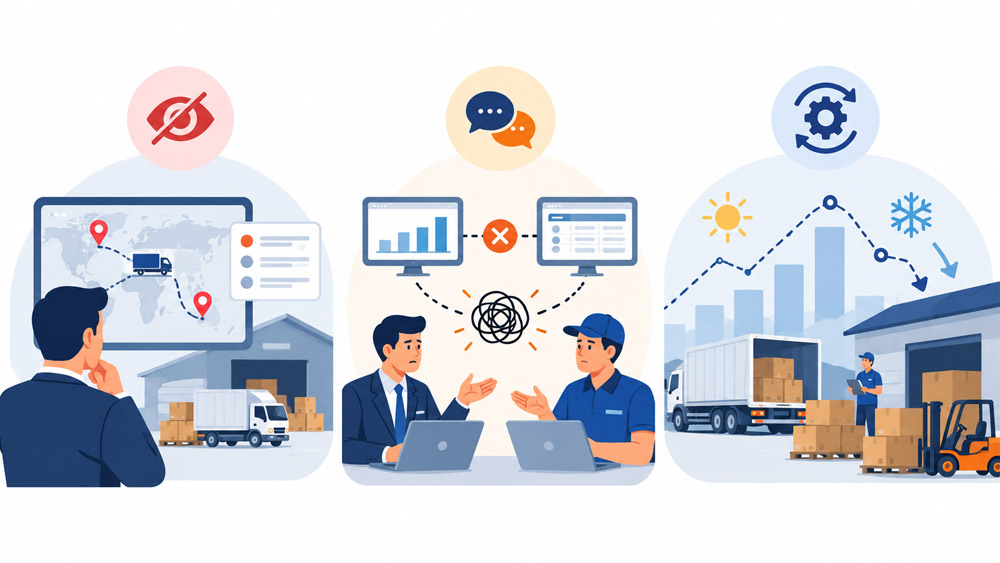
- Reduced direct control: Outsourcing means relying on a third-party provider for inventory accuracy, order handling and timely dispatch. Clear service agreements and performance monitoring are essential.
- Communication and system integration: Poor coordination between business systems and the 3PL provider can lead to stock discrepancies, delayed updates or fulfilment errors. Reliable data sharing helps minimize these issues.
- Changing operational requirements: As product ranges and order volumes grow, an existing 3PL arrangement may no longer meet the business’s needs. Choosing a provider with flexible storage capacity and scalable services is important.
A successful 3PL partnership comes down to finding a provider with the right capabilities, reliable processes and enough flexibility to support the business as it grows.
Best Warehouse Racking Systems for 3PL Operations
Choosing a racking system is one of the most important warehouse planning decisions for a 3PL operator. There is no single system that suits every logistics warehouse. The following options address different operating needs.
Selective Pallet Racking – For High SKU Variety
Selective Pallet Racking provides direct access to every pallet position from the operating aisle. This makes it a practical choice for 3PL facilities managing a wide range of products, particularly when individual pallets need to be retrieved frequently.
Double Deep Racking – For Higher Storage Density
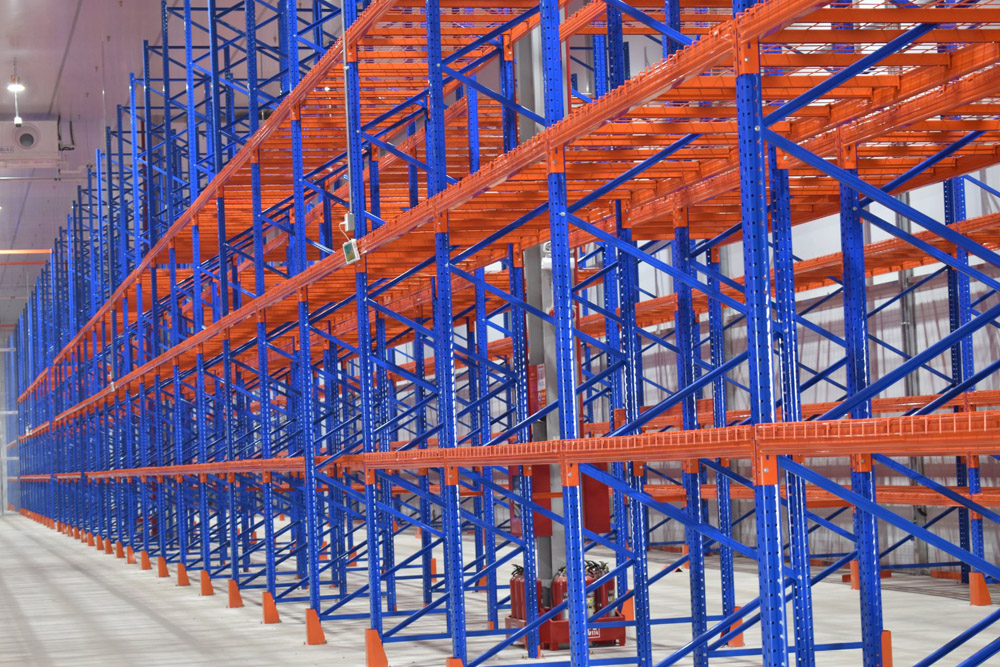
Double Deep Racking places pallets two positions deep instead of one. With fewer aisles required for a comparable arrangement of storage rows, it can provide greater capacity than conventional selective racking.
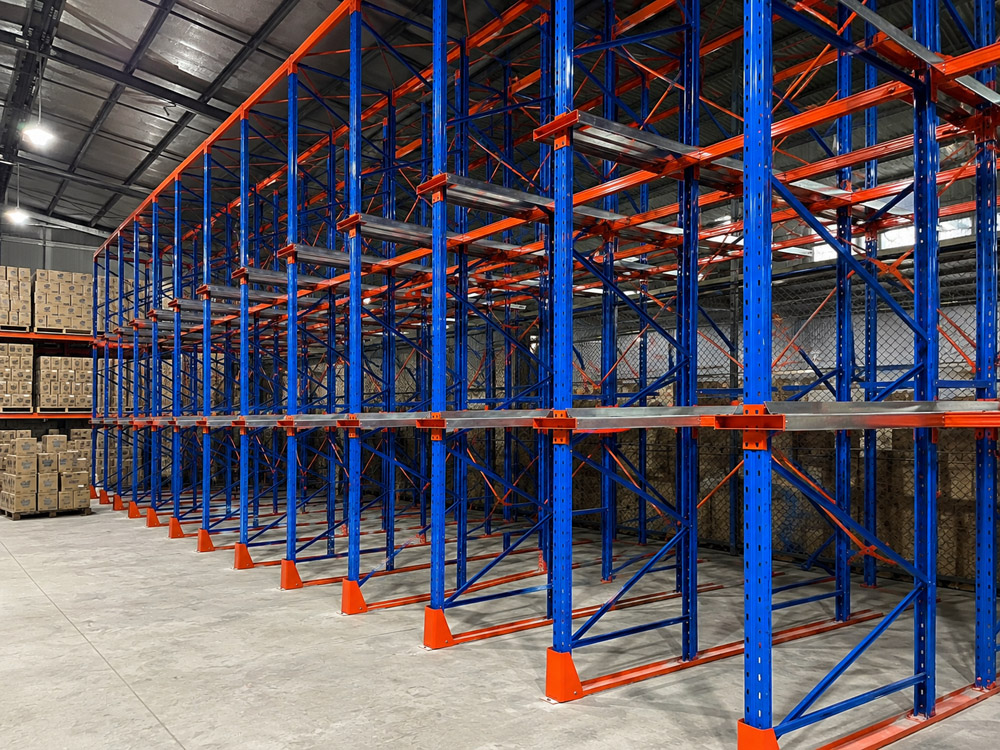
Drive-in Racking – For Bulk Storage
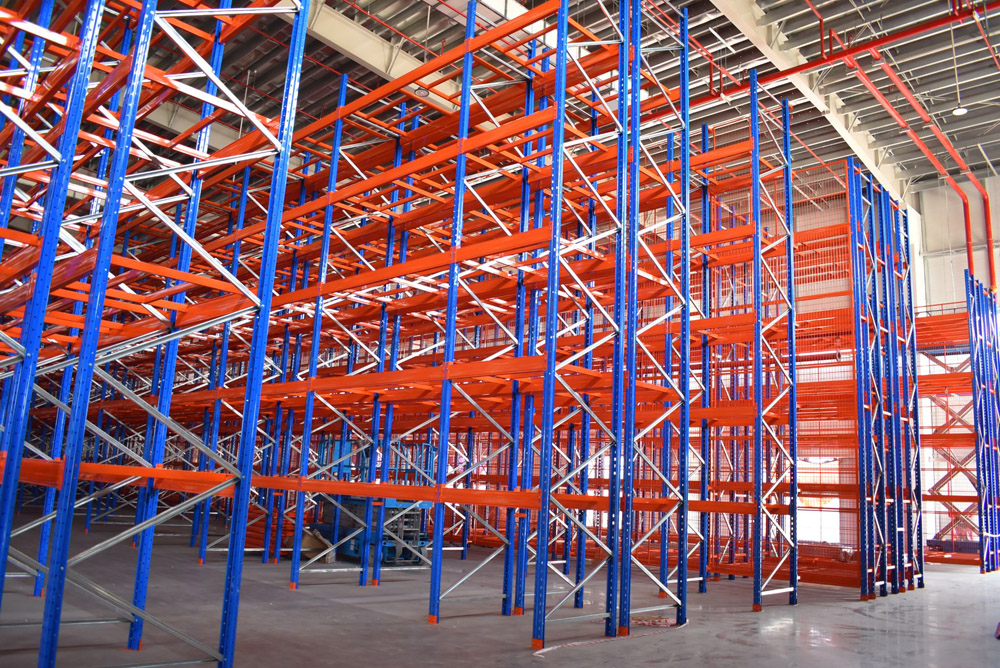
Drive-in Racking uses deep storage lanes that forklifts enter to load and retrieve pallets. By reducing the need for separate aisles between every row, the system provides high-density storage for large quantities of similar goods. It is commonly considered for operations with limited SKU variety and relatively predictable inventory movements.
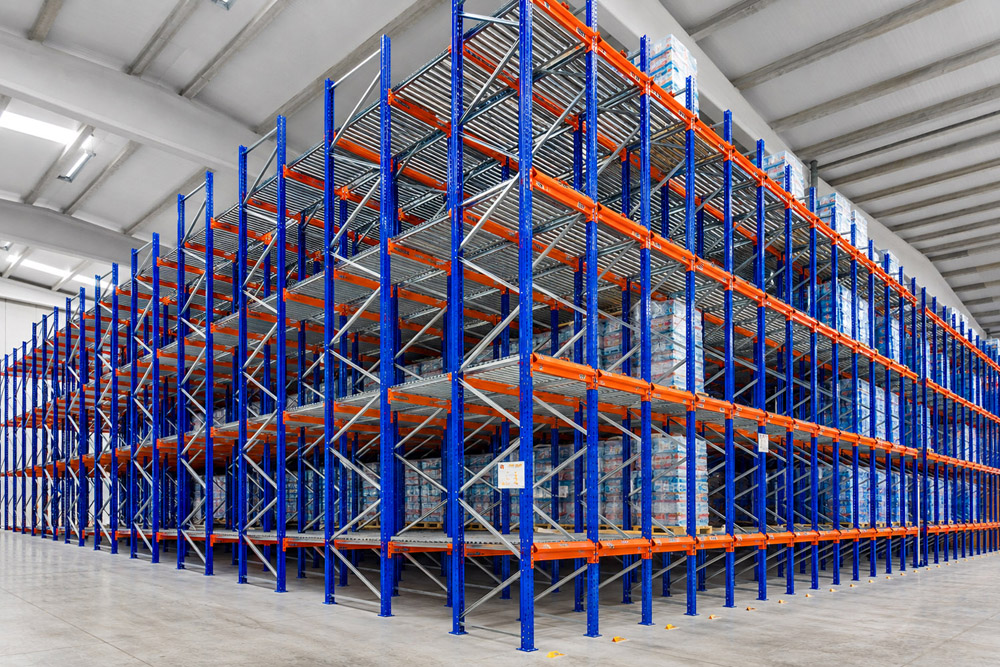
Pallet Flow Racking – For FIFO Operations
Pallet Flow Racking uses slightly inclined roller tracks to move pallets from the loading end of a lane towards the retrieval end. When the front pallet is removed, the next pallet moves forward into position. Because loading and retrieval take place at opposite ends, the system supports FIFO stock rotation.
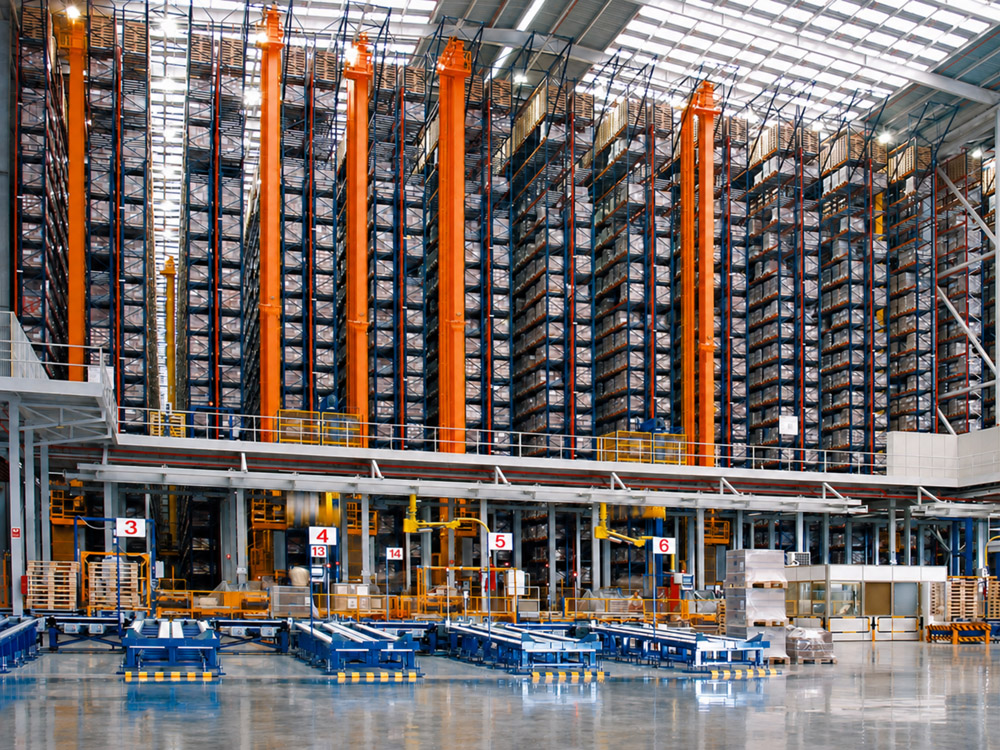
Automated Storage Systems – For High-Volume Facilities
For warehouses with demanding throughput requirements, automated storage may offer another option.
Systems such as Pallet Shuttle Racking use powered shuttles to move pallets within storage lanes. This reduces the need for forklifts to travel into deep storage positions. More advanced Automated Storage and Retrieval Systems (AS/RS) can use computer-controlled equipment to place and retrieve inventory.
Comparing Racking Options for 3PL Warehouses
The table below compares common racking systems to help 3PL operators choose the right solution for their warehouse needs.
| Racking System | Main Advantage | Suitable Application |
| Selective Racking | Direct access to every pallet | High SKU variety and frequent retrieval |
| Double Deep Racking | Higher density with fewer aisles | Multiple pallets of the same SKU |
| Drive-in Racking | High-density bulk storage | Large volumes of similar products |
| Pallet Flow Racking | Supports FIFO stock rotation | Products requiring controlled rotation |
| Automated Systems | Mechanised storage and retrieval | High-volume, suitable-throughput operations |
In practice, a large 3PL warehouse may use several systems together. Selective racking could serve fast-moving mixed inventory, while a separate high-density area accommodates bulk stock. The right combination depends on the facility’s inventory profile and handling requirements.
How to Choose the Right 3PL Solution for Your Business
Choosing a suitable logistics solution starts with understanding what the business needs today and how those requirements may change.
For companies outsourcing logistics, the priority is finding a provider that can handle their products reliably. For 3PL operators developing their own facilities, the focus shifts towards storage capacity, layout and daily warehouse performance.
For Businesses Looking to Outsource Logistics
Before selecting a 3PL partner, consider the products being stored, typical order volumes and the geographical areas being served. Businesses should also look at inventory visibility, reporting capabilities, service agreements and how the provider manages errors or unexpected increases in demand.
For 3PL Operators Planning or Expanding a Warehouse
A 3PL operator needs to approach the decision differently. Before selecting storage equipment or planning an expansion, it is worth reviewing:
- Available warehouse floor area and clear height.
- Pallet dimensions, weights and expected storage volumes.
- Number of SKUs and frequency of stock movement.
- Forklift types and handling requirements.
- Space needed for receiving, staging and dispatch.
- Potential changes in customer requirements or future demand.
These details influence the choice of racking system and the overall warehouse layout. A design that looks spacious on a drawing may feel very different when forklifts, pallets and workers are moving through it throughout the day.
Browse Vinatech’s warehouse racking solutions for storage options suited to your space and stock.