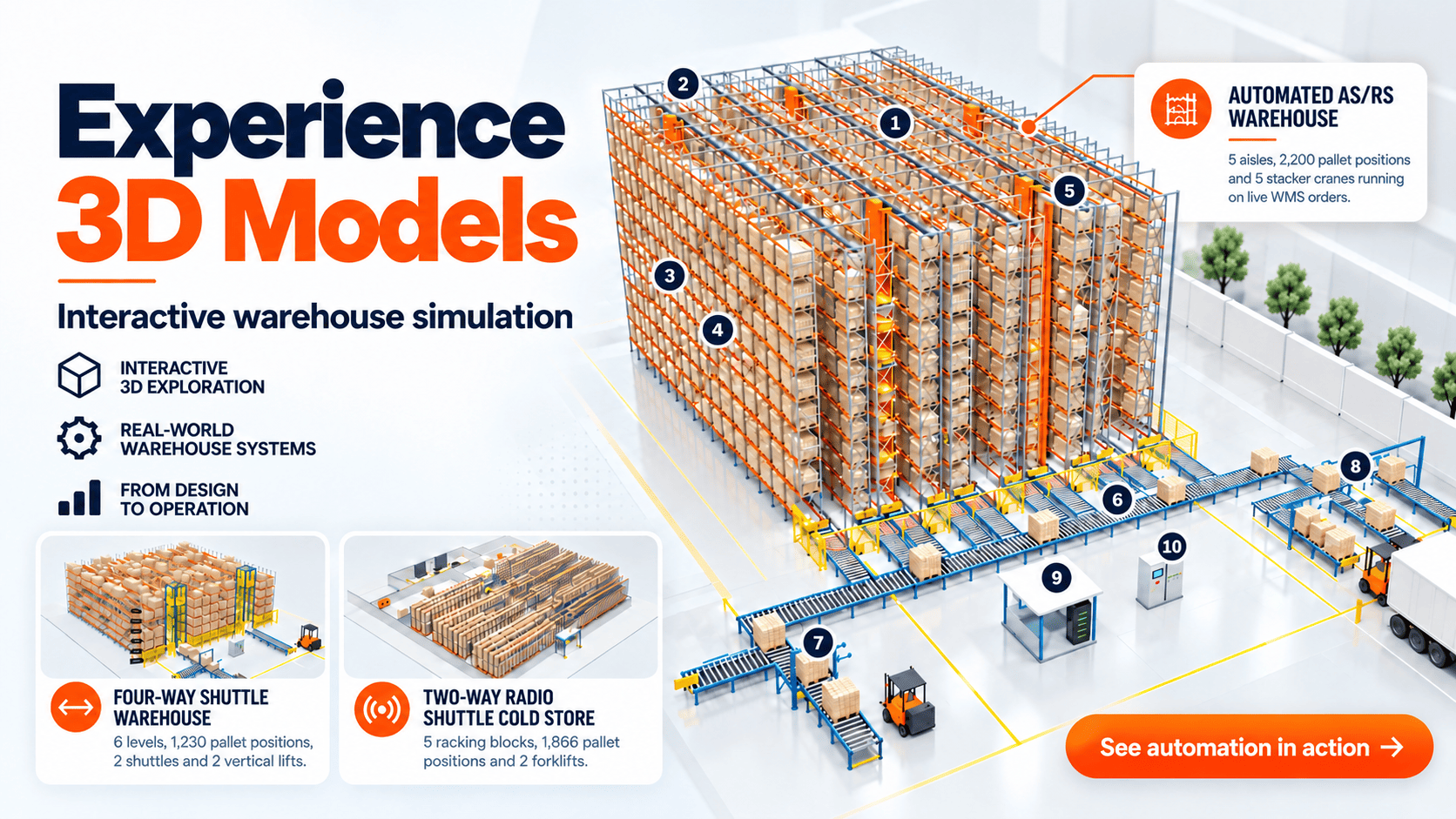


A warehouse can have plenty of stock and still waste hours trying to find it. Crowded aisles, misplaced products and slow picking can quickly disrupt daily operations. Good warehouse management brings inventory, people and storage space together so everything runs more smoothly. Here’s how the right processes, layout and storage systems can make a difference.
What is warehouse management?
Warehouse management is the process of organising and controlling how goods are received, stored, handled and dispatched within a warehouse. It covers everything from tracking inventory and coordinating staff to planning storage space and keeping equipment operating safely.
At its core, effective warehouse management focuses on three areas:
- Inventory Control: Knowing what products are available, where they’re stored and when stock needs replenishing.
- Workflow Management: Keeping receiving, picking, packing and dispatch activities organised.
- Warehouse Space Utilisation: Making practical use of floor space, storage height and handling equipment without compromising safety or accessibility.
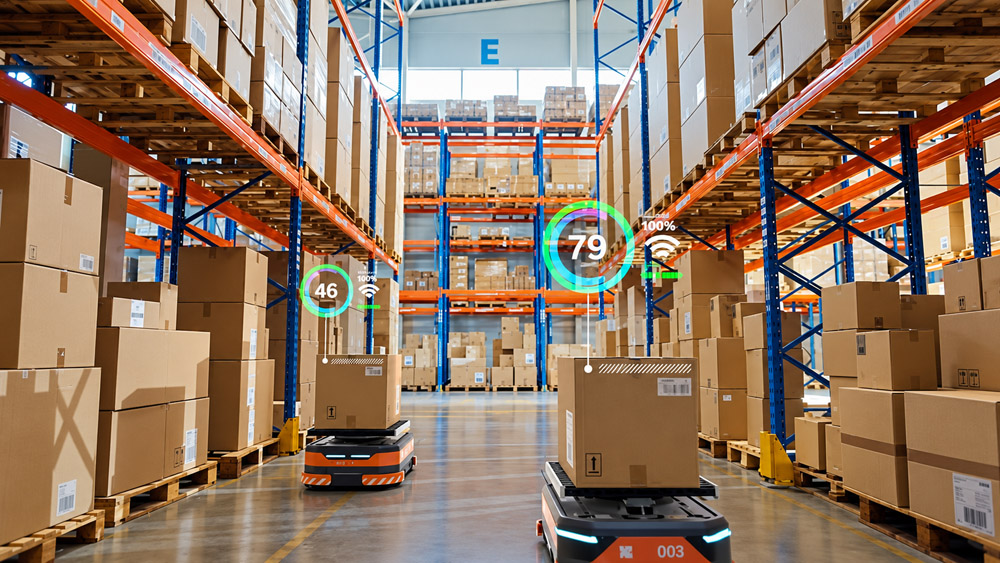
Technology can make these tasks easier. A Warehouse Management System (WMS), for example, tracks stock movements and helps coordinate daily activities.
However, WMS software is only one tool within the broader warehouse management process. How goods are arranged, how employees work and how easily products can be accessed matter just as much.
>> Read More:
- ABC Analysis: Know Your Stock, Plan a Smarter Warehouse
- What is an SKU? From product codes to smarter warehouses
Key warehouse management processes
A well-managed warehouse relies on a clear flow of goods, from the moment a delivery arrives until the order leaves the facility. While the exact workflow varies between businesses, most warehouses follow five essential processes:
| Process | What happens |
| 1. Receiving | Check incoming deliveries, verify quantities and inspect goods for damage. |
| 2. Putaway and Storage | Move products into suitable locations based on size, weight and picking frequency. |
| 3. Inventory Control | Track stock levels, storage locations and inventory rotation requirements. |
| 4. Picking and Packing | Locate products, prepare orders and check quantities before packing. |
| 5. Dispatch | Organise outgoing goods, prepare shipment documents and coordinate loading. |
A consistent receiving and putaway process keeps goods moving into storage rather than creating bottlenecks at the loading dock. Good warehouse management is about keeping products moving through each stage without unnecessary delays or repeated handling.
Common warehouse management challenges
Even experienced warehouse teams face challenges as stock volumes increase and customer requirements change. Some problems come from inaccurate information, while others are caused by the way the warehouse is physically organised.
1. Limited storage space
Running out of pallet positions doesn’t always mean a warehouse needs to expand. Poorly arranged racks, unused vertical space and unsuitable storage configurations can leave valuable capacity underused. Meanwhile, overcrowded aisles make forklift movements more difficult and may create safety risks.
2. Inventory inaccuracy
When stock records don’t match what’s physically stored, employees spend extra time checking locations and correcting orders. These discrepancies often come from missed transactions, misplaced goods or inconsistent stocktaking procedures.
3. Inefficient material flow
A poorly planned layout can force forklifts to travel long distances between receiving, storage and dispatch areas. When incoming and outgoing goods share congested routes, delays become more likely, particularly during busy periods.
4. Picking and Handling delays
Products may be easy to locate on paper but difficult to retrieve in practice. For example, storing frequently ordered pallets behind slower-moving stock creates additional handling. Workers may need to move other pallets before reaching the product they actually need.

Best practices for effective warehouse management
Improving warehouse operations doesn’t always require new software or expensive equipment. Often, reviewing how goods are stored and handled can reveal opportunities for meaningful change.
Here are five practices worth focusing on.
1. Organise inventory by product movement
Not every product needs the same storage location.
- Fast-moving goods should generally be positioned where they can be accessed without unnecessary travel, provided the locations suit their size, weight and handling requirements.
- Slower-moving products may be better suited to reserve storage or less frequently accessed racking positions.
This approach, often called ABC inventory classification, helps warehouse teams organise products according to their importance and movement patterns. The aim is to reduce unnecessary handling while keeping storage locations practical for daily operations.

2. Streamline receiving and Dispatch workflows
Clear working zones make a noticeable difference in a busy warehouse. Receiving, inspection, storage, picking and dispatch areas should be arranged so goods can move between them without repeatedly crossing the same traffic routes.
For example, keeping dispatch staging areas close to loading docks can reduce travel distances when preparing outgoing orders.
It’s also worth reviewing when activities take place. Scheduling replenishment outside peak picking periods, where practical, may reduce congestion in heavily used aisles.

3. Maintain accurate inventory records
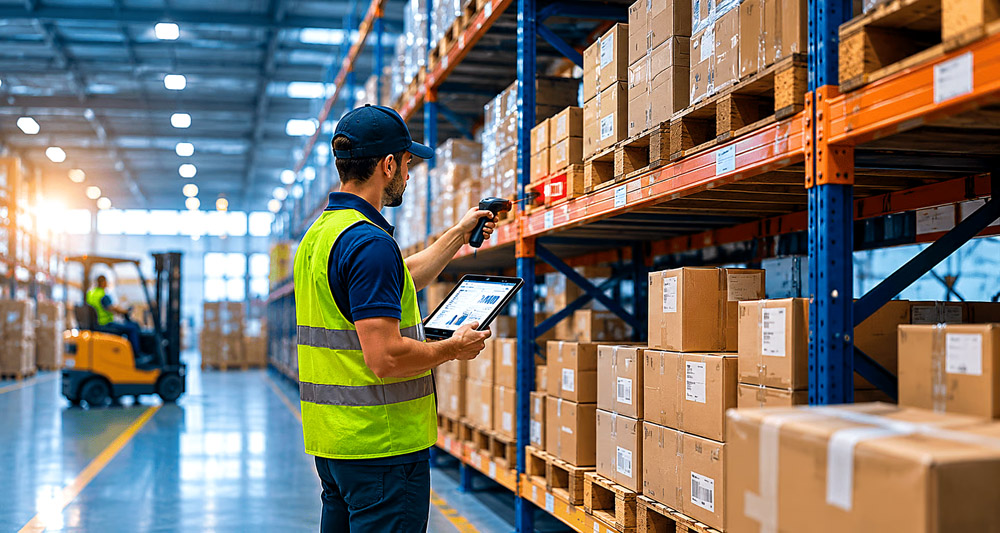
Reliable stock information starts with consistent recording. Barcode scanning, regular stock checks and clear location labels make it easier to keep track of inventory movements.
For larger operations, a Warehouse Management System (WMS) can provide additional visibility into stock quantities, storage locations and order progress.
Inventory rotation also matters. Depending on the products stored, businesses may use:
- FIFO (First-In, First-Out): Older stock is dispatched before newer stock.
- FEFO (First-Expired, First-Out): Products approaching their expiry dates are prioritised.
Whatever system is used, accurate records need to match what’s actually happening on the warehouse floor.
4. Prioritise warehouse safety
Safe working practices should be built into everyday warehouse management rather than treated as a separate task.
Regular checks should also cover:
- Pallet racking damage and Safe Working Load limits.
- Forklift condition and operating procedures.
- Clear access to emergency exits and pedestrian routes.
- Pallet stability and safe loading practices.
A safer warehouse is easier to manage when risks are identified and addressed before they interrupt operations.
5. Track Warehouse Performance
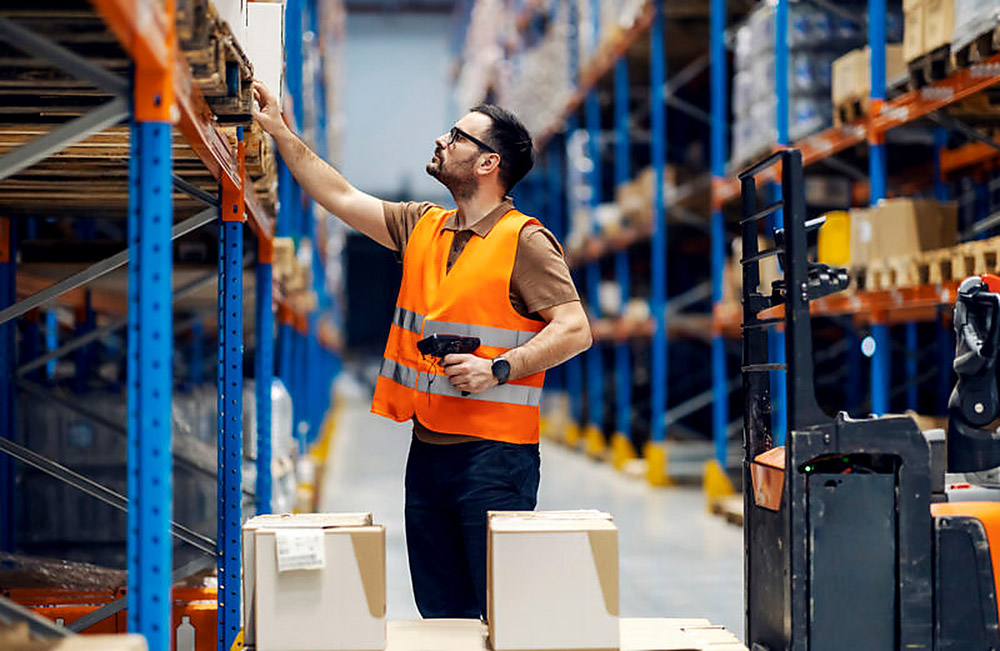
A few practical warehouse management KPIs can show where time, space or resources are being lost.
| KPI | What it measures |
| Inventory accuracy | How closely recorded stock matches actual inventory |
| Order accuracy | The proportion of orders picked and dispatched correctly |
| Picking time | How long employees take to complete picking tasks |
| Storage utilisation | How much of the available storage capacity is occupied |
| Pallet throughput | The number of pallets handled within a given period |
Tracking these figures over time allows managers to identify recurring problems and evaluate whether operational changes are delivering the intended results.
>> Read More:
- Inside a smarter warehouse: How WMS keeps things moving
- Inventory Management Systems: Features and Benefits
How warehouse layout and racking improve warehouse management
A practical storage layout makes goods easier to access and warehouse operations easier to manage. Even with accurate inventory records and well-trained staff, warehouse performance can suffer when the physical layout doesn’t match the way goods move.
An effective warehouse layout considers more than how many pallets can fit into the available space. It also needs to account for:
- Forklift travel distances: Shorter, practical routes between receiving, storage and dispatch.
- Pallet accessibility: Easy access to products that require frequent handling.
- Aisle configuration: Sufficient clearance for equipment, turning and safe movements.
- Vertical storage: Appropriate use of warehouse height without exceeding equipment or racking limits.
For example, increasing storage density by reducing aisle space might create more pallet positions, but it could also slow down retrieval if the handling equipment or stock profile doesn’t suit the arrangement.
Choosing the Right Racking System for Your Warehouse
Different pallet racking systems are designed around different storage needs. Choosing the right configuration depends on product variety, pallet quantities, stock rotation and how frequently goods need to be accessed.
| Warehouse requirement | Racking system to consider |
| Frequent access to individual pallets | Selective Pallet Racking |
| Increased storage capacity with fewer aisles | Double Deep Racking |
| Large quantities of similar products | Drive-In Racking |
| FIFO stock rotation | Pallet Flow Racking |
| Automated storage and retrieval | AS/RS Systems |
Discover Vinatech’s warehouse storage solutions and compare options for your facility.
How Vinatech Australia Supports Better Warehouse Management
At Vinatech Australia, we understand that the way a warehouse is designed has a direct impact on how it operates.
Our team provides warehouse design and layout services, helping businesses assess their available space, storage requirements and material handling needs before selecting a racking system.
Our services include:
- Warehouse Site Surveys: Reviewing dimensions, existing equipment, access points and storage requirements.
- 2D and 3D Layout Planning: Visualising racking positions, forklift aisles and storage zones before installation.
- Racking System Selection: Matching storage configurations to product characteristics and operational needs.
- Supply and Installation: Delivering racking systems based on the approved warehouse design.
Good warehouse management comes down to keeping stock accurate, workflows organised and storage space practical to use. When these elements work together, it’s easier to reduce delays, improve order handling and make better use of existing capacity.