

Category Archives: Blog Warehouse
A warehouse is a commercial or industrial facility used to store physical goods, including raw materials, components and finished products. Its five core operations are receiving, storage, picking, packing and dispatch. In Australia, businesses use facilities such as distribution centres, cold storage warehouses, private warehouses and shared warehouses operated by third-party logistics providers.
What Is the Purpose of a Warehouse?
A warehouse holds stock between the time it arrives from a supplier or production site and the time it is needed for manufacturing, retail replenishment or customer orders. Holding stock at this point helps businesses manage differences between when goods are supplied and when customers need them.
For example, an Australian manufacturer may use a warehouse to hold components for its production lines and finished goods awaiting delivery. An online retailer may use the same facility to store reserve stock on pallets and pick individual items from shelving for parcel orders. The storage layout and handling equipment depend on how goods move through the site.
5 Core Warehouse Operations
The warehouse workflow follows goods from the receiving dock to an assigned storage location, then through order preparation and outbound dispatch.
1. Receiving
Receiving is the process of unloading incoming goods, checking them against delivery documents and recording them in the inventory system. Staff check quantities and look for visible damage before releasing goods for storage. Discrepancies can be recorded at this stage so they can be investigated before stock is made available for orders.
2. Storage and Putaway
Putaway moves received goods to an assigned location, such as a pallet rack, shelf or temperature-controlled zone. Location choices depend on the size and weight of the goods, how often they are picked and how they need to be rotated. For example, reserve stock can be held in pallet racking while frequently ordered items are kept in accessible picking locations. See pallet racking systems.
3. Order Picking
Order picking retrieves the stock needed for an order or production request. A warehouse may pick individual items for e-commerce orders, cartons for store replenishment or full pallets for wholesale deliveries. A warehouse management system (WMS) can direct staff to the correct locations and record the quantities picked.
4. Packing
Packing prepares picked goods for transport. Staff verify the order, choose suitable packaging and apply shipping labels. Depending on the shipment, this can mean sealing a parcel, consolidating cartons or securing goods on a pallet.
5. Dispatch
Dispatch is the final outbound stage. Orders are staged by carrier, route or collection time, then loaded for delivery. The warehouse records the shipment so the business can track what has left the site and update inventory records.
4 Common Types of Warehouses in Australia
Warehouses can be classified by their purpose or by how they are operated. Distribution centres and cold storage warehouses describe what the facility does. Private and public warehouses describe who uses and operates the space. A supermarket, for example, could run a private cold storage distribution centre.
1. Distribution Centre
A distribution centre is designed to move goods quickly to stores, businesses or customers. A supermarket distribution centre might consolidate stock from several suppliers into store deliveries. An e-commerce distribution centre typically devotes more space to item picking, packing and parcel dispatch.
2. Cold Storage Warehouse
A cold storage warehouse maintains controlled temperatures for products such as chilled food, frozen goods and certain pharmaceuticals. Facilities may have separate zones for products with different temperature requirements. The storage layout needs to support stock rotation and provide access for picking and replenishment within each zone.
3. Private Warehouse
A private warehouse is dedicated to one business and may operate from owned or leased premises. A manufacturer, wholesaler or retailer may choose this model to control its inventory processes, layout and equipment. For example, a manufacturer can dedicate separate areas to inbound materials and finished goods awaiting dispatch.
4. Public or Shared 3PL Warehouse
A public warehouse offers storage to multiple businesses on a commercial basis. A third-party logistics (3PL) provider may also handle receiving, inventory management, picking, packing and dispatch. Shared warehousing can suit businesses with seasonal stock peaks or those that want to outso
AS4084:2003 Explained: Key Rules for Safer Pallet Racking
Pallet racking plays a vital role in warehouse operations, but its safety depends on more...
Warehouse Management: Make Every Metre and Movement Count
A warehouse can have plenty of stock and still waste hours trying to find it....
Pallet Racking Accessories: Small Parts, Big Impact
Pallet racking handles a lot in a busy warehouse, from heavy loads to constant forklift...

Inside a smarter warehouse: How WMS keeps things moving
A warehouse management system (WMS) helps businesses track inventory, manage orders and keep daily warehouse...
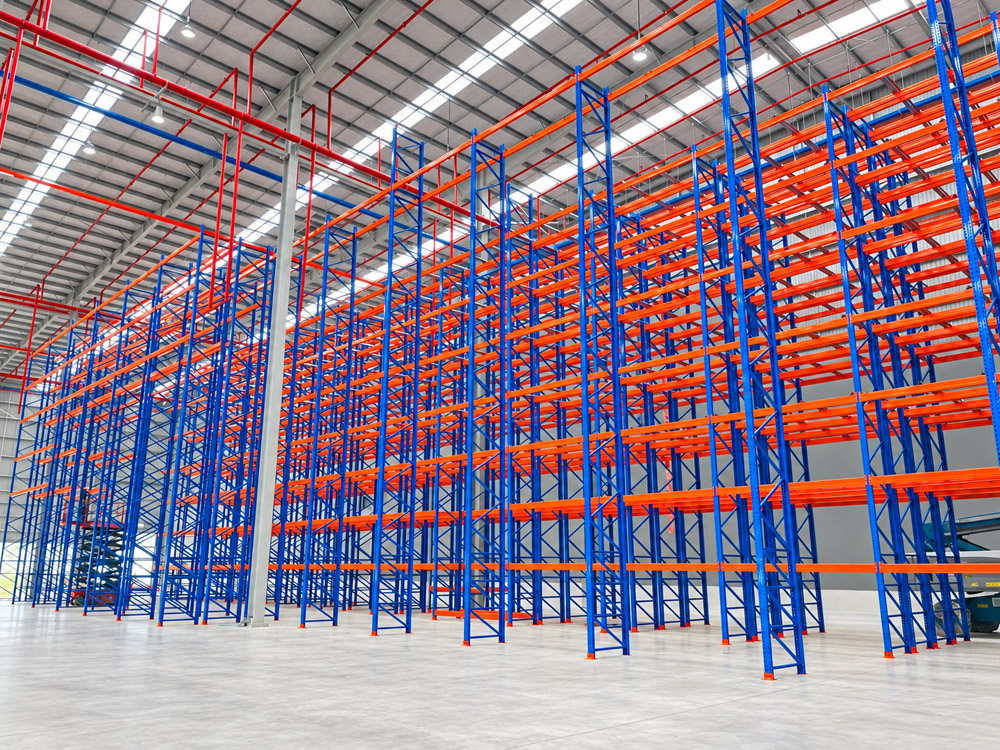
Warehouse Racking Layout: How to Plan Aisles and Storage
A warehouse racking layout determines how many pallets you can store and how easily people...

How much weight can a pallet hold? What you need to know
A pallet can hold anywhere from a few hundred kilograms to several tonnes, but its...

How many cartons of beer on a pallet? Let’s do the maths
In Australia, a pallet might hold 100 cartons of 24 cans or 128 cartons of...
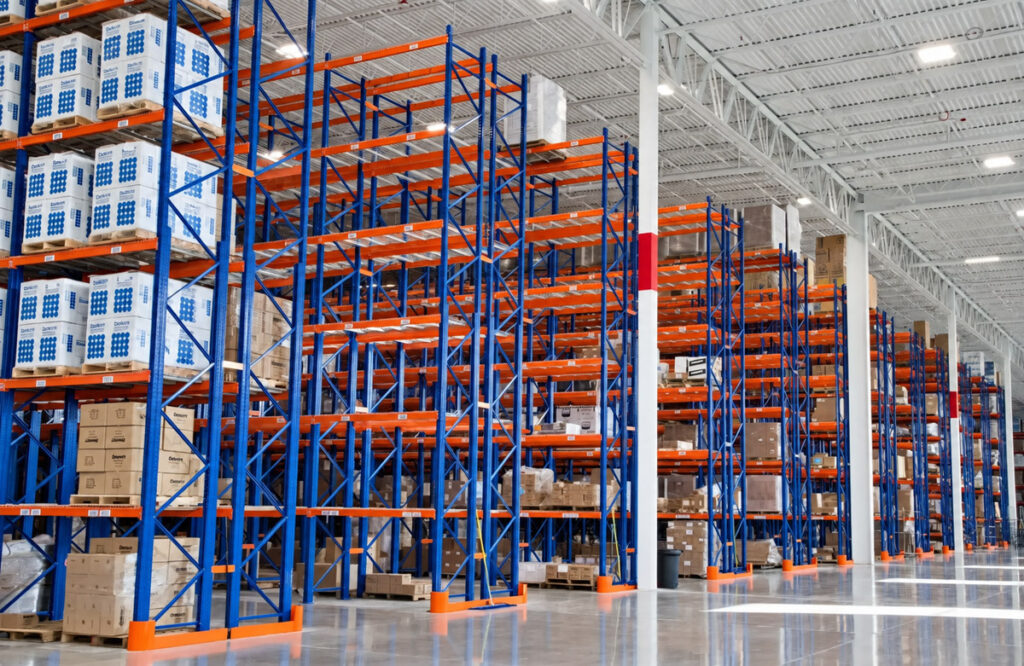
Conventional Pallet Racking: A Practical Warehouse Guide
conventional pallet racking generally refers to single-deep selective racking. It gives forklift operators direct access...

Pallet Racking Audits and Safety Inspections in Australia
A pallet racking audit checks the installed system for damage, incorrect loading, unapproved changes and...
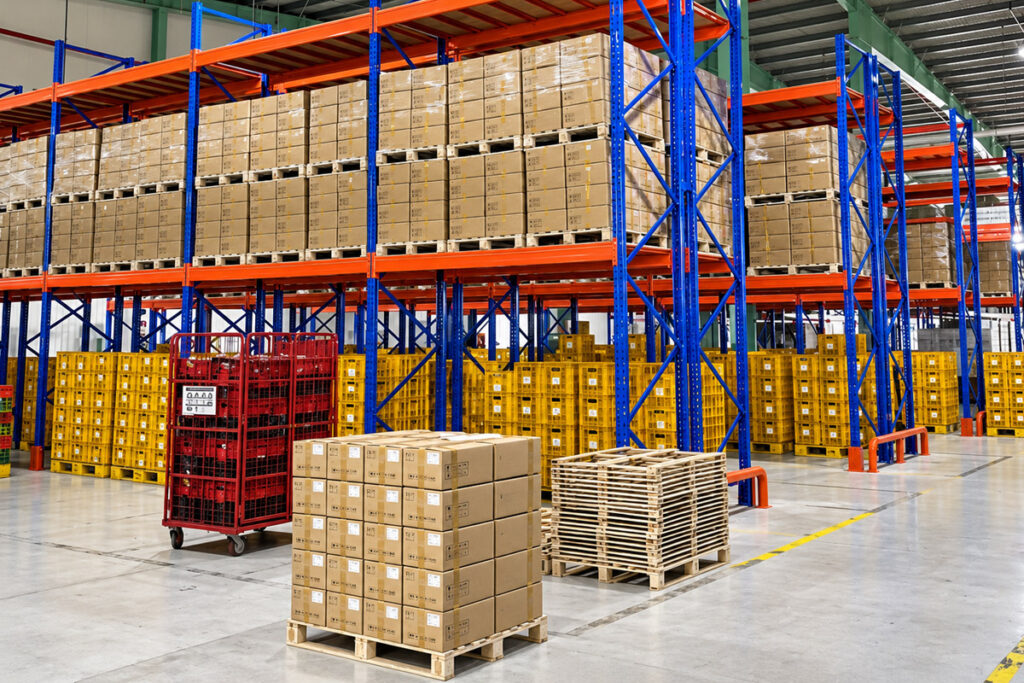
Pallet Racking Dimensions: How to Choose the Right Size for Your Warehouse
Choosing the right pallet racking dimensions starts with more than measuring the available warehouse space....
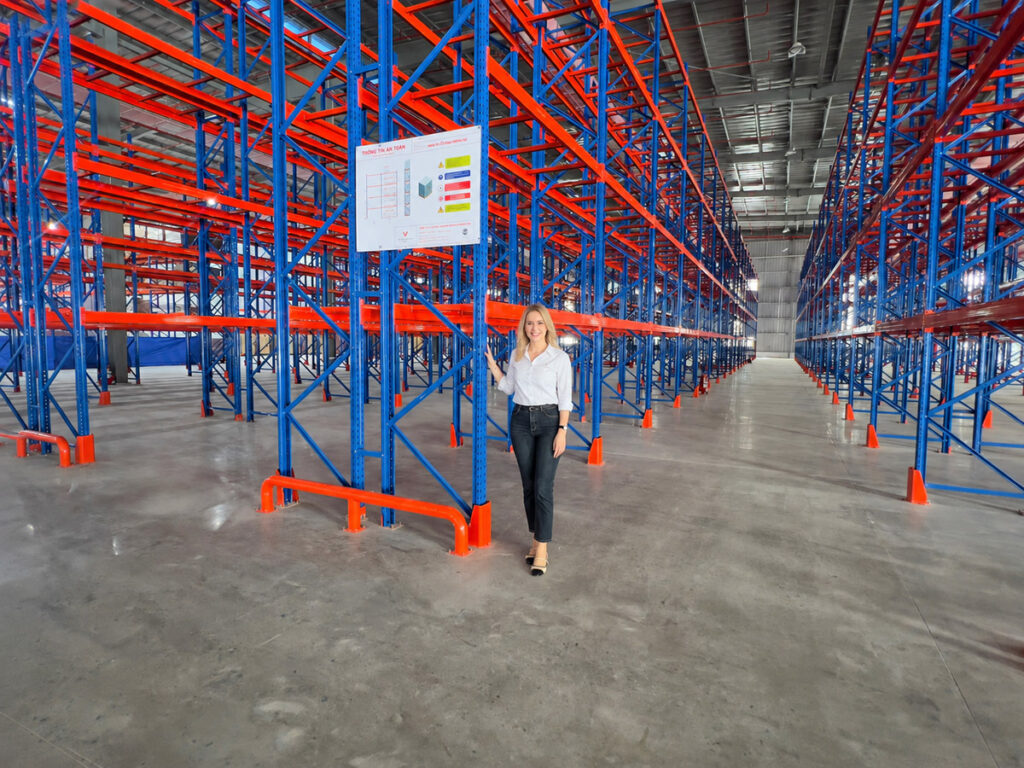
Pallet Racking Compliance in Australia: AS 4084 Guide
pallet racking compliance starts with a rack designed for its actual loads, installed as approved...

How to Calculate Average Inventory: Formula and Worked Examples
To calculate average inventory, add the stock held at the beginning and end of the...

Inventory Management Systems: How They Work and What to Look For
inventory management systems track stock by recording receipts, transfers, sales and adjustments against a product...

Pallet Rack Weight Capacity: How to Check Load Limits
pallet rack weight capacity depends on the installed configuration, the load pattern and the approved...

Automation in Manufacturing: Benefits and Implementation
automation in manufacturing uses controls, equipment and software to perform or coordinate production tasks. Start...

What Is a Good Profit Margin? Formulas and Examples
A good profit margin covers the costs of operating your business and leaves enough to...

Cost of Production: Formula and Worked Example
The cost of production is the cost of making a batch or running production during...

Vinatech Australia Grand Opening in Victoria
The Vinatech Australia grand opening on 27 November 2025 marked the launch of a local...

What Is FEFO? First Expired, First Out Explained
FEFO means first expired, first out. It prioritises the eligible batch with the earliest expiry...
Australian Pallet Dimensions: Size, Weight and Specifications
The common square Australian pallet dimensions are 1,165 × 1,165 mm. CHEP lists a 150...